
Many tea lovers miss how small details in serving etiquette can transform their experience. Paying attention to proper brewing temperatures, gentle pouring, and respectful handling of the teapot preserves aroma and flavor. Offering the first sip thoughtfully shows appreciation, while mindful storage keeps your tea fresh. These subtle actions reflect respect for tradition and deepen your connection to the ritual. Mastering these nuances can make your tea moments more meaningful—if you continue exploring, you’ll uncover even more insights.

Get coffee and tea gear delivered free — and shop member deals
- Fast, free delivery on millions of items
- Access to Prime Big Deal Days deals on October 6–7
- Prime Video, Amazon Music and more included
Key Takeaways
- Many overlook the importance of gentle pouring to preserve aroma and respect tradition.
- Serving at the correct temperature enhances flavor and shows mindfulness.
- Proper teapot handling reflects respect and attention to detail.
- Recognizing and sharing the origin of the tea deepens the connection and appreciation.
- Small gestures, like offering the first sip, elevate the overall tea experience.
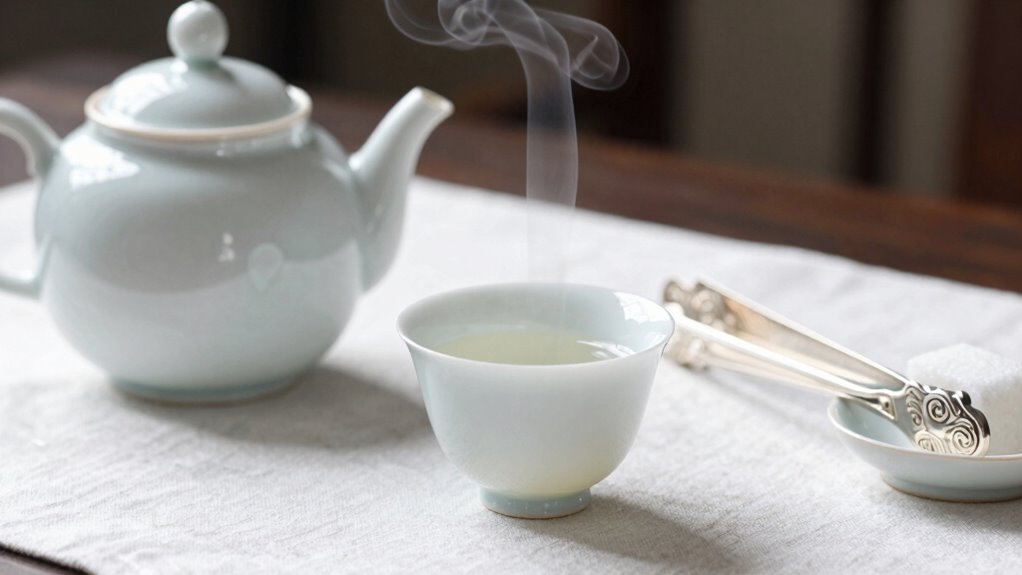
Enjoying a cup of tea isn’t just about the brew itself; it’s also about the way you serve and share it. Many tea lovers overlook the subtle nuances that elevate a simple cup into a refined experience. One key aspect often missed is understanding tea leaf origins. Knowing where your tea comes from adds depth to your appreciation, connecting you to the farms and cultures that cultivate these leaves. Whether it’s the lush plantations of Darjeeling, the fragrant gardens of jasmine tea, or the robust estates of Assam, recognizing tea leaf origins transforms your ritual into a mindful practice. It’s not just about choosing a brand but appreciating the journey of the leaves from plant to cup.
Another overlooked detail is the importance of brewing temperature. Most people focus on steeping time but forget that accessing the true flavor profile of your tea requires the right temperature. Different types of tea need different temperatures—green teas thrive at lower temperatures, around 160-180°F, to prevent bitterness, while black teas often need hotter water, around 200°F, to extract their full richness. Using the right temperature isn’t just a technical step; it’s a sign of respect for the tea’s delicate balance of flavors. Ignoring this can lead to a dull or overly bitter taste, undermining the effort you put into selecting quality leaves. Paying attention to these brewing parameters can significantly improve your tea experience. Additionally, the freshness of your water can impact the clarity and brightness of the brew, making it an essential element to consider. Even the water quality can influence the final taste, emphasizing the importance of good hydration in your tea ritual. Incorporating proper storage for your tea leaves can also preserve their freshness and flavor over time.
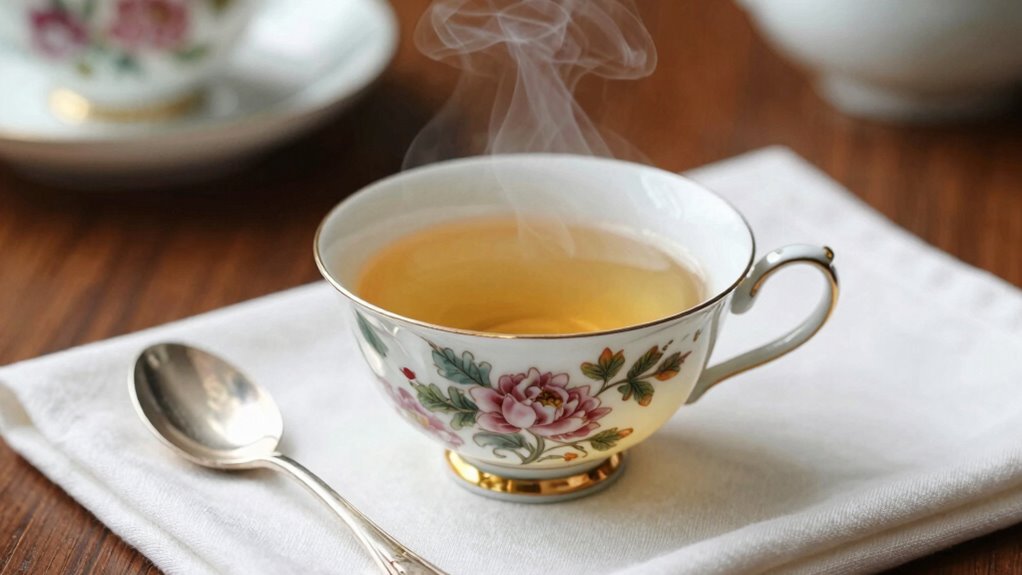
Many tea enthusiasts miss the opportunity to serve tea with proper etiquette, which can considerably enhance the experience. For example, pouring the tea gently, holding the teapot handle correctly, and offering your guest the first sip show thoughtfulness and respect. Temperature also plays a role in serving—pouring at the right moment ensures the tea is at its best, neither too hot nor too cold, allowing you and your guests to savor the aroma and taste fully. Sometimes, people aren’t aware that adjusting brewing parameters or serving techniques can make a world of difference in how the tea is perceived. Paying attention to these serving techniques can elevate your tea ritual from ordinary to extraordinary.
Lastly, sharing tea isn’t just about drinking; it’s about creating a moment of connection. Paying attention to details like the origins of the tea leaves, the correct brewing temperature, and serving etiquette demonstrates your appreciation and heightens the experience for everyone involved. Many tea lovers miss these finer points because they focus solely on the beverage itself, rather than the ritual surrounding it. When you embrace these subtle aspects, tea transforms from a simple drink into a meaningful tradition, enriching your enjoyment and honoring the centuries of culture behind each cup. Remember, the tea ritual is a reflection of respect and mindfulness that can deepen your appreciation of this ancient practice.
As an affiliate, we earn on qualifying purchases.
Frequently Asked Questions
Should I Stir My Tea Clockwise or Counterclockwise?
You should stir your tea clockwise, as it aligns with traditional teapot handling and respects the placement of tea leaves. Stirring in this direction helps distribute the flavors evenly without damaging the tea leaves or disrupting the brewing process. Many overlook this subtle etiquette, but it enhances your tea experience, ensuring a more harmonious and well-mixed cup. Pay attention to these small details for a truly authentic tea ritual.
Is It Proper to Add Sugar Before Tasting the Tea?
You should resist the urge to add sugar before tasting your tea; it’s like jumping into a flavor puzzle blindfolded. Sweetening habits that skip tasting etiquette often mask the true essence of the brew. By savoring your tea first, you uncover its genuine profile, then adjust sweetness accordingly. It’s a small act of respect for the artistry behind each cup, transforming a simple sip into a mindful experience.
How Should I Handle a Spilled Tea Accident Gracefully?
When you spill tea, handle it gracefully by calmly blotting the spill with a clean cloth. Avoid rushing or drawing attention to the mistake. Respect tea leaf placement by gently cleaning the area without disturbing the tea set. Remember tea pouring etiquette—use polite, steady motions, and apologize softly if needed. Maintaining composure shows your appreciation for tea culture and keeps the atmosphere welcoming.
Can I Reheat Tea That’s Gone Cold?
Yes, you can reheat tea that’s gone cold. To preserve the best tea temperature and flavor, use gentle reheating techniques like microwaving in short bursts or warming on the stove over low heat. Stir the tea occasionally to distribute heat evenly. Keep in mind, reheating can alter the flavor slightly, so it’s best to enjoy freshly brewed tea whenever possible for the most satisfying experience.
What’s the Correct Way to Hold a Teacup?
Holding a teacup correctly is like handling a delicate butterfly—gentle and refined. Follow tea etiquette and serving customs by gripping the handle with your thumb and fingers, keeping your pinky slightly raised but not extended outward. Rest your hand lightly on the cup, avoiding grasping the body. This respectful posture shows appreciation for tradition and guarantees you enjoy your tea with grace, embodying true tea etiquette.
Conclusion
Just as a gentle breeze guides a leaf to its peaceful rest, embracing proper tea etiquette lets you sail smoothly through every sip. When you honor the customs, you weave a delicate tapestry of respect and tradition, turning each cup into a cherished moment. Remember, it’s not just about the tea but the dance of manners that elevates your experience. With mindful grace, you transform every serving into a timeless ritual—an artful journey in every drop.
Halloween Picks
halloween
As an affiliate, we earn on qualifying purchases.