
Indian tea influences modern tea culture through its emphasis on craftsmanship, tradition, and sustainability. You see this in the careful harvesting, artisanal blends, and mindful preparation methods that inspire global appreciation. The cultural rituals around tea foster social bonds and elevate it from a simple beverage to a meaningful experience. If you explore further, you’ll discover how these centuries-old practices continue to shape contemporary tastes and values around the world.
Open a free Amazon Business account
Business pricing, bulk buying and tax-exempt orders.
As an affiliate, we earn on qualifying purchases.
Key Takeaways
- Indian tea’s traditional harvesting and processing methods emphasize craftsmanship, inspiring modern artisanal and high-quality tea practices worldwide.
- The cultural rituals and social significance of Indian tea foster mindfulness and connection in contemporary tea ceremonies.
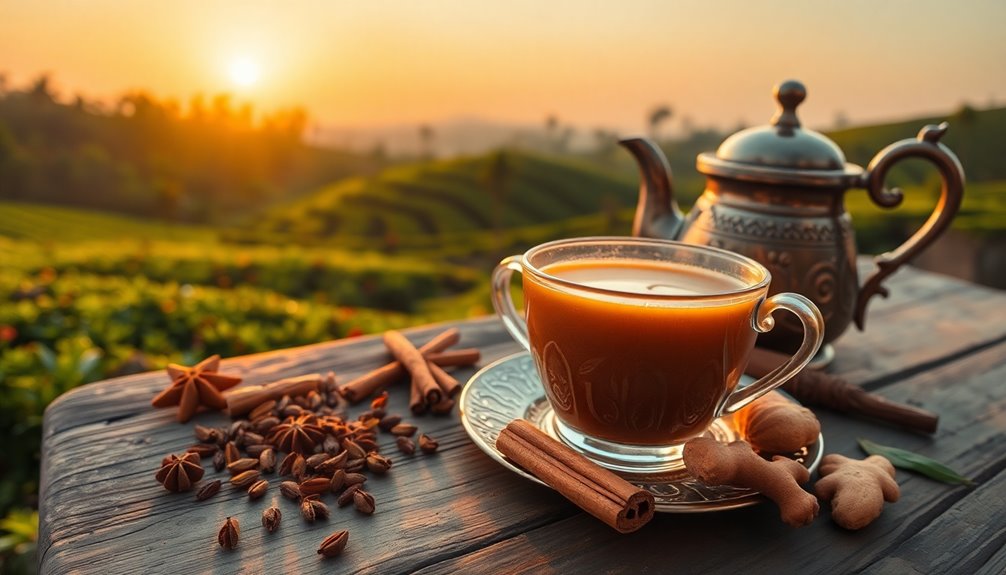
- Indian spices used in tea, such as cardamom and ginger, enhance sensory experiences and influence global flavor profiles.
- Emphasis on sustainable cultivation in India promotes eco-friendly practices in global tea production.
- Indian tea’s rich heritage elevates tea from a beverage to a cultural and social tradition, shaping modern appreciation and enjoyment.
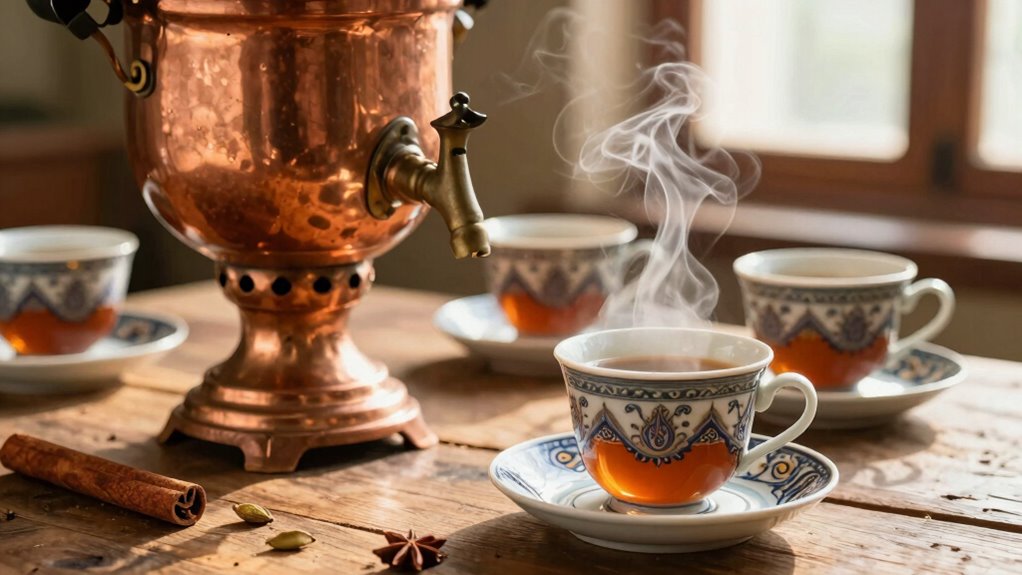
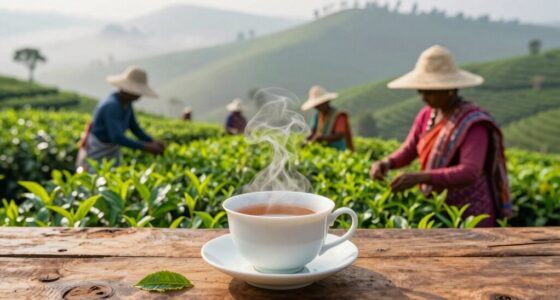
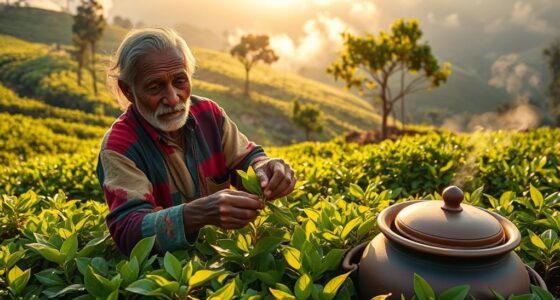
Indian tea has profoundly shaped modern tea culture worldwide, transforming how people enjoy and appreciate this beloved beverage. When you think of tea, you often picture a steaming cup, but behind that simple act lies a rich history rooted in Indian traditions. The process of tea harvesting in India isn’t just about picking leaves; it’s a cultural ritual that has been perfected over generations. Workers carefully pluck tender leaves and buds, often following time-honored methods passed down through families. This meticulous process guarantees the quality and flavor that Indian tea is renowned for. As you sip a cup of Indian chai or black tea, you’re tasting centuries of tradition, craftsmanship, and respect for nature’s rhythm.
Indian tea’s rich traditions and meticulous harvesting craft a centuries-old legacy in every cup.
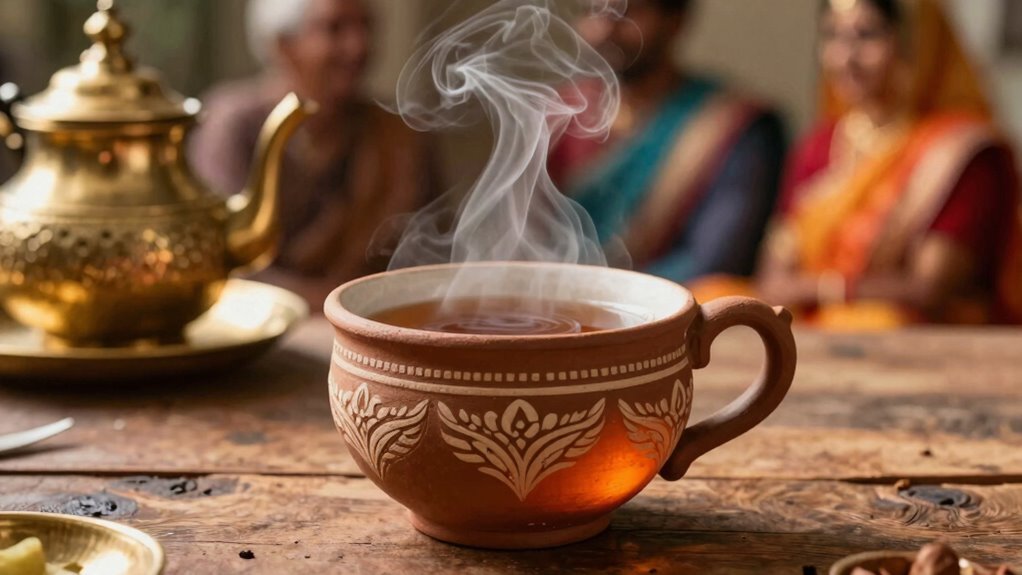
The cultural rituals surrounding Indian tea are deeply embedded in daily life. In India, tea isn’t merely a drink—it’s a social act, a symbol of hospitality, and a way to connect with others. You might find yourself invited to share a cup during morning greetings or family gatherings, experiencing firsthand how tea acts as a bridge between people. Preparing Indian tea often involves specific steps, including boiling water with spices like cardamom, cinnamon, or ginger, creating a sensory experience that elevates the simple act of drinking tea into a cherished ritual. These customs have influenced modern tea culture globally, inspiring tea ceremonies and practices that emphasize mindfulness and social connection. Additionally, the cultural significance of tea in India highlights its role as a unifying and celebratory beverage across diverse communities. Recognizing these traditions helps us appreciate the deep-rooted cultural importance of tea beyond just its flavor. Moreover, the emphasis on careful harvesting and processing methods underscores the importance of quality control in Indian tea production, which has set a standard admired worldwide.
Indian tea culture also emphasizes the importance of freshness and quality, which has had a lasting impact on how tea is perceived and consumed worldwide. The emphasis on fresh tea leaves and traditional methods of processing has led to a global appreciation for specialty teas and artisanal blends. You’ll notice that modern tea trends — whether in cafes or at home — often highlight the importance of sourcing high-quality leaves and respecting the origins of each tea variety. This focus on authenticity and craftsmanship stems directly from Indian practices, where each harvest is an event marked by care and tradition. Furthermore, the rise of artisan tea movements around the world can be traced back to Indian values of meticulous processing and respect for the tea’s origins. Additionally, the sustainable methods used in Indian tea cultivation promote ecological balance and support local communities, reinforcing the connection between quality, tradition, and environmental sustainability.
In essence, Indian tea’s influence extends beyond flavor profiles; it’s about the cultural significance and rituals that elevate tea from a simple beverage to a meaningful experience. When you enjoy your next cup, remember the rich heritage behind it — the careful tea harvesting, the ceremonial preparation, and the social bonds that Indian tea culture has fostered worldwide. Your appreciation for tea is, in many ways, a continuation of a centuries-old tradition that has shaped modern tea culture into what it is today.

Tea India Assam Black Tea, CTC Loose Leaf, 2 lb
- Type of Tea: CTC Black Tea Pellets
- Weight: 2 pounds of loose leaf tea
- Tea Origin: Assam, India
As an affiliate, we earn on qualifying purchases.
As an affiliate, we earn on qualifying purchases.
Frequently Asked Questions
How Did Indian Tea Originate Historically?
You might find that Indian tea originated from tea plantations established during colonial influence in the 19th century. The British, seeking to break China’s monopoly, introduced tea cultivation to India, especially in regions like Assam and Darjeeling. This shift transformed India into a major tea producer, shaping its unique tea varieties and traditions. Today, Indian tea’s rich history continues to influence global tea culture, blending colonial roots with local flavors.
What Are the Unique Indian Tea Preparation Techniques?
They say, “A good tea is like a good story,” and Indian tea preparation techniques truly reflect that. You’ll find unique methods like the traditional chai, where boiling tea leaves with spices and milk creates rich flavor infusions. During tea ceremonies, you might see pouring from height to aerate the brew, enhancing aroma and taste. These techniques emphasize freshness, spices, and a communal experience, shaping modern tea culture worldwide.
How Does Indian Tea Influence Global Tea Trends?
Indian tea influences global tea trends through tea diplomacy and cultural infusion, shaping how the world views tea. You’ll notice Indian flavors like chai and masala blending into international menus, fostering cultural exchange. Indian tea traditions promote unique brewing styles and aromatic spices, inspiring global innovation. As a result, you see a richer, more diverse tea culture worldwide, driven by India’s vibrant tea history and its efforts to connect cultures through shared tea experiences.
Which Indian Regions Are Famous for Their Tea Production?
You’ll find Assam and Darjeeling are the most famous Indian regions for tea production. Assam boasts over 800 tea estates, producing about 15% of the world’s tea, known for its bold, malty flavor. Darjeeling’s high-altitude tea estates create a unique, floral regional flavor. These regions play a crucial role in shaping global tea culture, offering diverse tastes that influence modern tea trends worldwide.
How Has Indian Tea Shaped Modern Tea Branding?
Indian tea has profoundly shaped modern tea branding by emphasizing qualities like rich tradition and distinctive flavors, which help brands stand out. You’ll notice how Indian tea brands use market differentiation through unique packaging, storytelling, and emphasizing origins like Darjeeling or Assam. This approach appeals to consumers seeking authenticity and quality, making Indian tea a key influence in creating memorable branding that connects buyers to the cultural heritage behind each cup.
Conclusion
Your journey through Indian tea history reveals how its bold flavors and rich traditions have shaped modern tea culture worldwide. Indian tea’s influence is like a fiery spark that ignites every cup, transforming simple sips into vibrant rituals. As you savor your next brew, remember that Indian tea’s legacy is a mighty wave, crashing through time and taste buds, leaving an indelible mark that continues to redefine what tea truly is.
Labor Day sales Picks
labor day deals
As an affiliate, we earn on qualifying purchases.