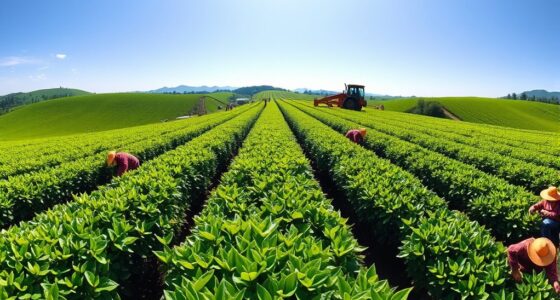
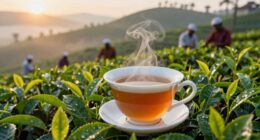
The history of tea production and harvesting begins with ancient Chinese methods of hand-picking young leaves, emphasizing quality over quantity. Over time, techniques evolved from simple plucking to more refined strategies, and mechanization eventually replaced manual labor for efficiency. Colonial trade expanded cultivation worldwide, turning tea into a global commodity. Modern innovations continue to shape the industry today. To uncover how these changes influenced tea culture and global markets, explore further.
Key Takeaways
- Ancient China pioneered hand-picking methods focused on quality, shaping early tea culture and economies.
- Over centuries, harvesting techniques evolved from manual plucking to more refined and efficient practices.
- Colonial powers expanded tea cultivation globally, adapting methods to diverse climates and emphasizing high yields.
- The global tea industry shifted toward large-scale, industrialized production driven by colonial trade networks.
- Modern mechanization introduced mechanical harvesters, increasing efficiency but transforming traditional harvesting practices.

Tea has a rich history that traces back thousands of years, shaping cultures and economies around the world. As you explore its development, you’ll notice how the methods of tea cultivation techniques have evolved over time, influenced by various factors, including climate, geography, and technological advances. In ancient China, tea was initially gathered through simple hand-picking, where only the newest, tender leaves were harvested. Over centuries, farmers refined these techniques, developing plucking methods that prioritized quality and efficiency. Moving into the modern era, mechanized tea harvesting has become common in large plantations, allowing for faster and more consistent collection. These advancements have increased productivity but also altered traditional practices that emphasized careful, selective plucking.
The impact of colonial trade played a crucial role in shaping the global tea industry. During the 17th and 18th centuries, European powers established colonies in regions like India, Sri Lanka, and Southeast Asia, primarily to meet the rising demand for tea in Europe and North America. These colonial enterprises introduced new tea cultivation techniques suited to different climates and terrains, often prioritizing high yields over traditional methods. For example, British colonists in India adopted and expanded upon existing practices, establishing large tea estates that relied heavily on manual labor and plantation systems. This shift not only transformed local economies but also led to the widespread export of tea as a commodity. The colonial trade network facilitated the global spread of tea consumption, making it a staple beverage across continents. Additionally, technological innovations such as mechanical harvesters further revolutionized production, replacing some traditional hand-picking methods.

Leaf Scoops Hand Rakes – Lightweight, Durable Grabber Tool for Scooping Up Leaves, Spreading Mulch, Gardening, and Yard Work by Pure Garden (Green)
LEAF SCOOPS HAND RAKES – These lightweight leaf scoops have supporting wrist guards that allow you to collect…
As an affiliate, we earn on qualifying purchases.
As an affiliate, we earn on qualifying purchases.
Frequently Asked Questions
How Has Climate Change Impacted Traditional Tea Harvesting Methods?
Climate change has considerably impacted your traditional tea harvesting methods by causing weather pattern shifts and unpredictable conditions. You now need to adopt climate adaptation strategies, such as adjusting harvest times and selecting resilient tea varieties. These changes help you cope with hotter temperatures and irregular rainfall, ensuring the quality of your tea. Staying flexible and informed about evolving climate conditions is essential for maintaining your tea production’s sustainability.
What Are the Latest Innovations in Tea Processing Technology?
You’ll find that the latest innovations in tea processing include precision fermentation and automated plucking. Precision fermentation allows for controlled flavor development, reducing reliance on traditional methods. Automated plucking speeds up harvests and guarantees consistent quality by precisely selecting ripe leaves. These technologies help you improve efficiency, maintain high standards, and adapt to climate challenges, making tea production more sustainable and innovative in today’s competitive market.
How Do Different Tea Cultivars Influence Flavor Profiles?
Imagine each tea cultivar as a unique brushstroke on your palate’s canvas. You’ll notice that tea cultivar diversity creates flavor profile variation, with some cultivars offering floral notes while others bring earthy richness. This diversity influences the aroma, taste, and even the color of your brew. By exploring different cultivars, you reveal a world of sensory experiences, each shaped by the distinct qualities of the tea plants themselves.
What Are the Economic Effects of Tea Export Fluctuations?
You’ll feel the economic impact of tea export fluctuations through market price volatility, which can lead to unpredictable income for tea producers and exporters. When a country relies heavily on tea export dependency, these swings can destabilize local economies, affecting jobs and community development. Staying aware of global demand trends helps you anticipate potential financial risks and adapt strategies to minimize adverse effects on your business.
How Is Sustainable Tea Farming Being Promoted Worldwide?
You’re on the right track by supporting sustainable tea farming, which is promoted worldwide through organic certification and fair trade programs. These initiatives encourage farmers to adopt eco-friendly practices and guarantee fair wages. It’s a win-win situation—helping the planet while empowering local communities. By choosing certified teas, you’re doing your part to keep the industry sustainable and ensuring future harvests stay healthy and equitable.

1pc Mower Er Tea Picker Soft Shaft Core Cutter Soft Flexible Shaft Hose,harvester Drive Shaft – (Color: Dark Red)
Color: Dark Red
As an affiliate, we earn on qualifying purchases.
As an affiliate, we earn on qualifying purchases.
Conclusion
As you sip your tea, imagine the centuries of hands that plucked tender leaves beneath blooming branches, shaping a tradition rooted in history. From ancient mountains to modern plantations, each harvest carries whispers of innovation and tradition. The fragrant aroma carries stories of centuries past, blending nature’s bounty with human ingenuity. Your cup becomes a vessel of time, connecting you to a rich legacy that continues to flourish with every carefully gathered leaf.

Tea processing machinery and equipment(Chinese Edition)
As an affiliate, we earn on qualifying purchases.
As an affiliate, we earn on qualifying purchases.
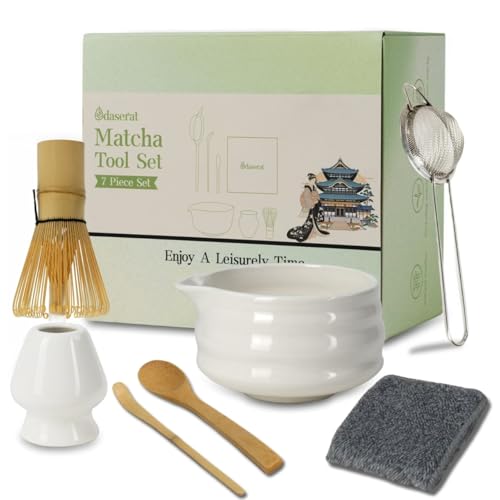
Matcha Whisk Set, 7 Pcs Matcha Kit, Premium Ceramic Matcha Set, Whisk and Bowl, Sifter, Cup Holder, Bamboo Scoop, Tea Plucking, Tea Towel, Matcha Lovers (White)
【Value Matcha Whisk Set】This matcha whisk set is available 1 bamboo matcha whisk, 2 bamboo scoop, 1stainless steel…
As an affiliate, we earn on qualifying purchases.
As an affiliate, we earn on qualifying purchases.