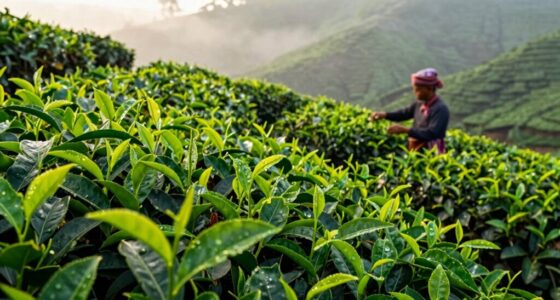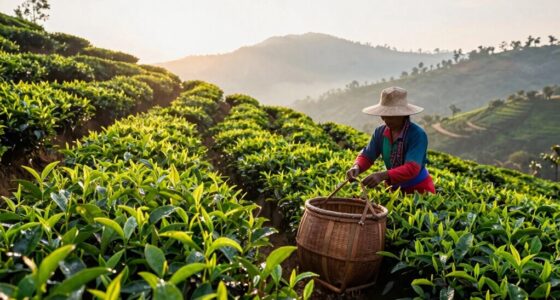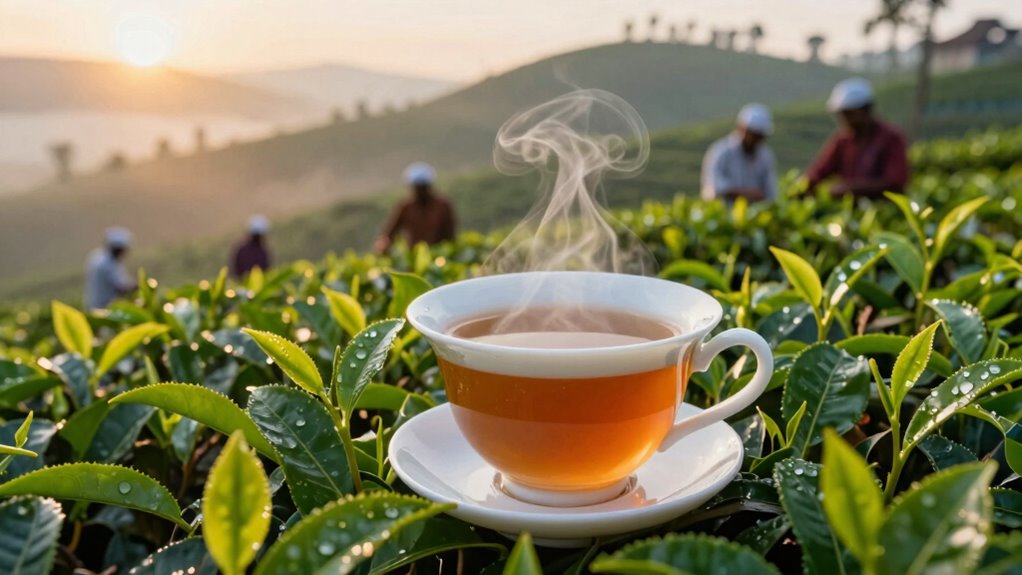

Sri Lankan tea influences modern tea culture by emphasizing traditional craftsmanship and sustainable practices that attract global appreciation. When you enjoy a cup of Ceylon tea, you’re experiencing centuries of history, skilled processing, and cultural pride. Tea tastings and estate visits connect you to the heritage and authenticity behind each brew. This focus on quality and tradition continues to shape how tea is enjoyed worldwide, offering deeper insight into Sri Lanka’s rich legacy—stay tuned to discover more.
Listen free for 30 days with Audible
Thousands of audiobooks and originals — cancel anytime.
As an affiliate, we earn on qualifying purchases.
Key Takeaways
- Traditional harvesting and processing methods emphasize craftsmanship, shaping modern perceptions of quality and authenticity in tea culture.
- Tea tasting experiences at estates highlight regional flavors, deepening appreciation for Sri Lankan tea’s heritage.
- The cultural heritage of Sri Lankan tea influences global standards and appreciation of high-quality, authentic tea.
- Sustainable farming practices rooted in tradition promote environmental awareness within modern tea production.
- Sri Lankan tea symbolizes national pride and history, reinforcing its role in shaping contemporary global tea identity.
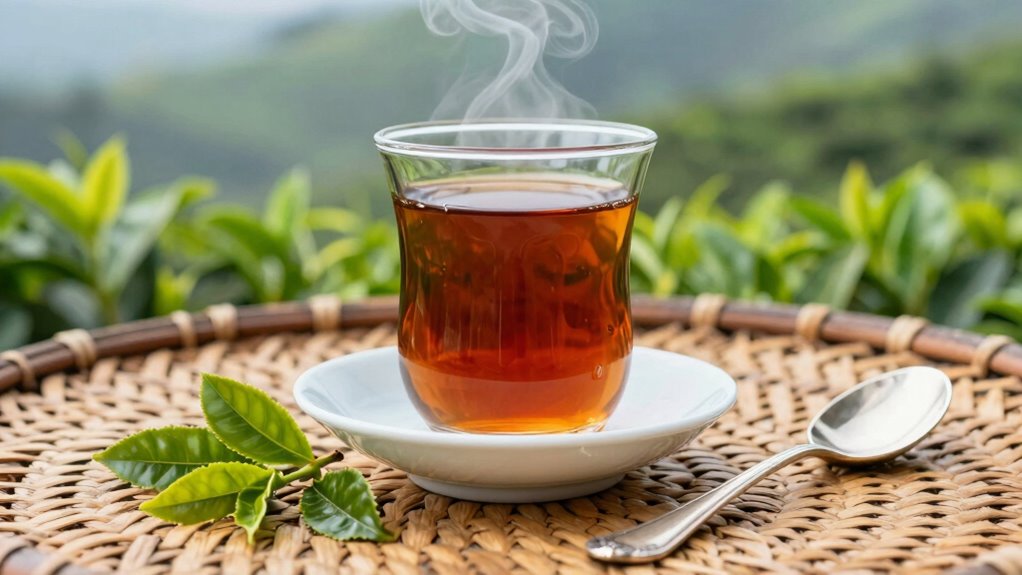
Sri Lankan tea, renowned worldwide for its rich flavor and high quality, has considerably shaped the country’s economy and global reputation. When you visit a tea plantation in Sri Lanka, you’re stepping into more than just a lush landscape filled with tea bushes; you’re immersing yourself in a cultural heritage that has been woven into the nation’s identity for generations. These plantations are not only the backbone of Sri Lanka’s economy but also serve as living museums of history and tradition. As you walk through the rolling hills, you can sense the deep connection between the land and the people who have cultivated this heritage for over a century. The plantation workers, often descendants of earlier generations, carry with them stories and customs that have become integral to the island’s cultural fabric. The preservation of traditional plucking and processing methods demonstrates the importance of maintaining cultural authenticity in the industry. In recent years, there has been a growing emphasis on sustainable farming practices to ensure that this cultural legacy endures for future generations. These practices not only protect the environment but also honor the heritage of craftsmanship** passed down through generations. Additionally, the revival of traditional techniques** in modern processing methods highlights the ongoing influence of cultural heritage on current industry standards.
Sri Lankan tea embodies centuries of tradition, shaping the nation’s identity and leaving a lasting mark on global tea culture.
This heritage influences modern tea culture in many ways. For instance, the traditional methods of plucking and processing tea leaves are still preserved and celebrated, even as technology has advanced. You might notice that many tea estates still rely on hand-picking, a practice that guarantees the highest quality leaves and maintains the cultural authenticity of Sri Lankan tea. This commitment to tradition impacts how tea is perceived worldwide, emphasizing craftsmanship and authenticity over mass production. When you brew a cup of Ceylon tea, you’re experiencing more than just a beverage; you’re tasting a piece of history that reflects a nation’s dedication to its cultural roots. Additionally, the environmental sustainability practices adopted by some estates highlight an effort to preserve the natural landscape that supports tea cultivation and local biodiversity.
Cultural heritage also shapes the way Sri Lankan tea is enjoyed and presented today. Tea tasting sessions, often held at estates, highlight the nuanced flavors that come from specific regions and processing methods, fostering a deeper appreciation among consumers. These experiences connect modern tea lovers directly to the story of Sri Lanka’s tea industry, fostering respect for the craftsmanship behind each brew. Additionally, the influence of this heritage extends to the global market, where Sri Lankan tea is regarded as a symbol of quality and tradition. This reputation helps maintain a sense of pride within the country and encourages ongoing preservation of the cultural practices associated with tea production.
In essence, Sri Lankan tea’s influence on modern tea culture goes beyond flavor and aroma. It embodies a rich cultural heritage that continues to define the island’s identity and shape how tea is appreciated worldwide. Whether you’re sipping a freshly brewed cup or learning about the history behind each estate, you’re participating in a legacy that has been cultivated over generations. This enduring connection between tradition and modernity ensures that Sri Lankan tea remains an important part of global tea culture, celebrated for its authenticity, craftsmanship, and cultural significance.
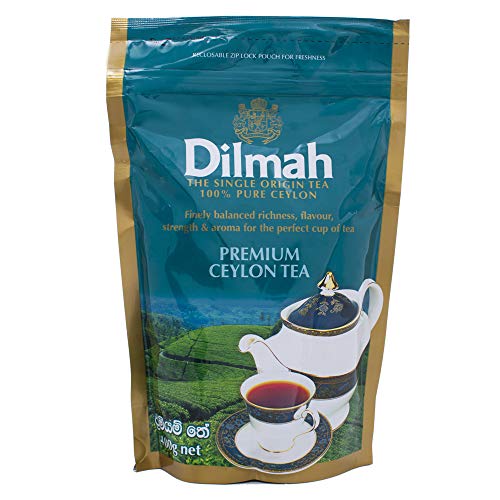
Dilmah Premium Ceylon Black Tea – 100% Pure Single Origin Loose Tea with Finely Balanced Richness & Aroma – Freshness Sealed in Resealable Zip Lock Pouch, 400g (14.1 oz)
- Single Origin Ceylon Tea: Authentic Sri Lankan black tea
- Balanced Flavor Profile: Rich, robust, and aromatic
- Freshness Sealed Packaging: Resealable zip lock pouch for freshness
As an affiliate, we earn on qualifying purchases.
As an affiliate, we earn on qualifying purchases.
Frequently Asked Questions
How Did Sri Lanka Become a Leading Tea Exporter?
You should know that Sri Lanka became a leading tea exporter due to its extensive Tea plantation industry established during colonial history. British colonists introduced tea cultivation in the 19th century, replacing coffee after a devastating disease. They developed ideal growing conditions, improved farming techniques, and built infrastructure, which boosted production. These efforts transformed Sri Lanka into a global tea powerhouse, making it one of the top exporters today.
What Unique Tea Varieties Originated in Sri Lanka?
You’re in for a treat when you taste Sri Lanka’s unique tea varieties, like Ceylon black tea and Silver Tips white tea. Grown on lush tea estates, these teas boast a distinctive Ceylon flavor that’s hard to find elsewhere. Their vibrant aroma and bold taste have shaped modern tea culture, making Sri Lankan teas a staple for connoisseurs worldwide. You’ll find that these varieties truly stand out, like a gem in a sea of options.
How Does Sri Lankan Tea Impact Global Tea Markets?
You see, Sri Lankan tea substantially impacts global tea markets through its robust tea trade and export economics. By supplying high-quality Ceylon tea worldwide, Sri Lanka boosts international demand and stabilizes prices. Its efficient export system and reputation for premium teas influence global consumption patterns, encouraging other producers to improve quality. This dynamic helps shape global tea trends and maintains Sri Lanka’s essential role in the international tea trade.
What Traditional Sri Lankan Tea Drinking Customs Exist Today?
You observe that traditional Sri Lankan tea drinking customs still thrive today. You follow tea etiquette by serving tea with a smile and appreciating its aroma before sipping. Cultural rituals include sharing tea during social gatherings, often accompanied by sweet treats or snacks. These customs emphasize hospitality and respect, reflecting Sri Lanka’s rich tea heritage. You’ll notice that these traditions continue to connect people, preserving the country’s vibrant tea culture in modern times.
How Is Sri Lankan Tea Influencing Modern Brewing Techniques?
You’ll find Sri Lankan tea influencing modern brewing techniques by emphasizing the art of tea infusion for richer flavor extraction. They focus on methods that enhance flavor, such as precise temperature control and steeping times, which many brewers now adopt. This approach serves as a blueprint, proving that sometimes you need to think outside the box to get the most out of your tea, making every cup a flavorful experience.
Conclusion
Your journey through Sri Lankan tea’s influence reveals a vibrant tapestry woven into modern tea culture. Like a gentle breeze carrying the aroma of distant hills, Sri Lankan tea continues to shape our appreciation and tradition. Its rich history and distinct flavor profiles serve as a timeless compass, guiding us to savor every sip with reverence. In this way, Sri Lanka’s tea remains an enduring melody, whispering its legacy into the cups of today’s tea enthusiasts.
Back to school Picks
back to school
As an affiliate, we earn on qualifying purchases.