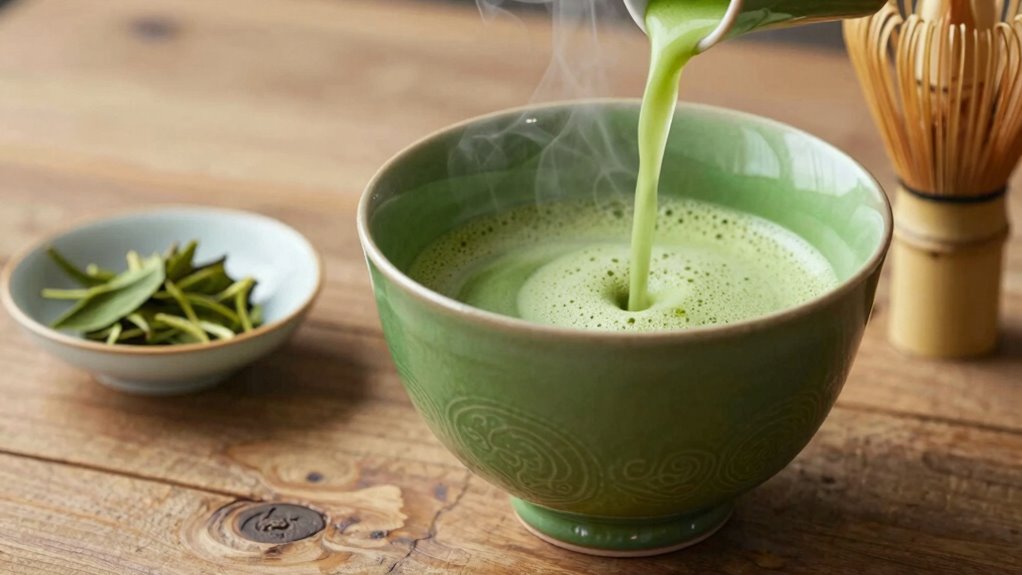

Japanese tea deserves a closer look because it’s more than just a beverage; it’s a centuries-old tradition that blends skill, artistry, and cultural values. From the meticulous cultivation techniques to the elegant rituals of the tea ceremony, every detail reflects respect for nature and craftsmanship. Exploring Japanese tea lets you appreciate its deep history and significance in daily life and art. Keep exploring, and you’ll discover the rich stories behind each sip.

Get coffee and tea gear delivered free with Prime
- Fast, free delivery on millions of items
- Prime Video, Amazon Music and more included
- Member-only deals all year
Key Takeaways
- Japanese tea involves centuries-old cultivation techniques emphasizing quality, sustainability, and innovative blending of tradition and science.
- It holds deep cultural significance through rituals like the tea ceremony, fostering mindfulness and social respect.
- The craftsmanship and knowledge passed down generations showcase Japan’s dedication to meticulous, artisanal methods.
- Artistic and literary influences highlight tea’s role in Japan’s cultural expression and aesthetic appreciation.
- Japanese tea embodies a rich heritage that promotes a mindful, respectful approach to nature and daily life.

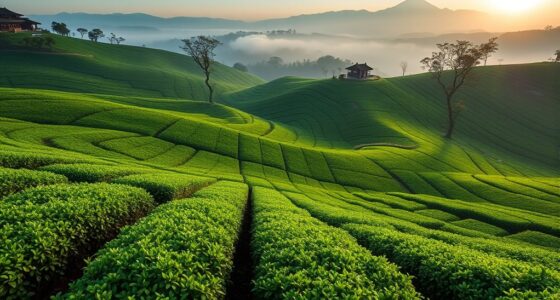
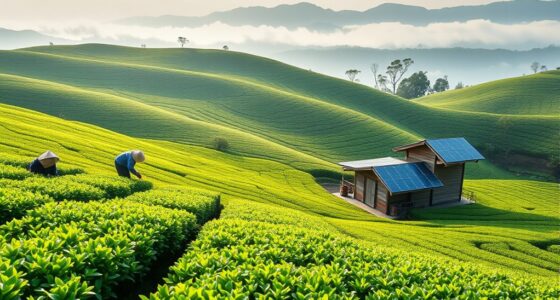
Have you ever truly appreciated the complexity behind Japanese tea? It’s more than just a warm beverage; it’s a product of meticulous tea cultivation that spans centuries. From the lush green fields of Shizuoka to the shaded slopes of Uji, every leaf is carefully tended, handpicked at just the right moment to guarantee superior flavor and aroma. Japanese tea cultivation involves precise techniques that influence not only the taste but also the quality of the final product. For instance, the practice of shading tea plants before harvest, used for matcha and gyokuro, enhances the chlorophyll content, giving the tea its vibrant green hue and rich umami flavor. Each step in the cultivation process reflects a deep respect for tradition and nature, making Japanese tea a true craft. Additionally, sustainable farming practices are increasingly integrated into traditional cultivation to preserve biodiversity and ensure environmental health. This dedication to traditional methods underscores the cultural importance and craftsmanship behind each harvest. Recognizing the agronomic techniques used in Japanese tea farming reveals the intricate knowledge passed down through generations, highlighting the expertise involved in producing premium tea. Moreover, these techniques often incorporate environmentally conscious practices, ensuring the sustainability of tea production for future generations. Incorporating innovative agricultural methods further enhances the quality and resilience of tea crops, reflecting a blend of tradition and modern science.
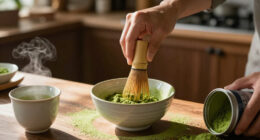
But Japanese tea is more than just its production process; it holds profound cultural significance. In Japan, tea isn’t merely consumed; it’s experienced through rituals and ceremonies that symbolize harmony, respect, purity, and tranquility. The traditional tea ceremony, or “chanoyu,” exemplifies this cultural depth, where every movement, utensil, and gesture carries meaning. Participating in a tea ceremony allows you to connect with centuries of history and philosophy, fostering mindfulness and appreciation for the present moment. This ritualistic approach to tea elevates it from a simple drink to a spiritual practice, reinforcing its role in Japanese society. Even outside the formal ceremony, tea is woven into daily life and social interactions, signifying hospitality and respect toward guests. In addition, the aesthetic presentation of tea and utensils further reflects Japan’s rich artistic traditions and attention to detail.
Understanding the cultural significance of Japanese tea also means recognizing its role in art, literature, and history. Tea ceremonies have inspired countless paintings, poems, and stories, embedding tea deeply into Japan’s cultural fabric. This tradition emphasizes harmony not just with nature, but also within communities, fostering bonds through shared appreciation. As you explore Japanese tea, you’ll see how it embodies a sophisticated blend of craftsmanship, cultural values, and aesthetic beauty. It’s a reflection of Japan’s reverence for nature, discipline, and harmony. When you take the time to learn about tea cultivation and its cultural importance, you gain more than just a beverage—you gain insight into a rich cultural heritage that continues to thrive today. Japanese tea invites you to slow down, savor the moment, and appreciate the profound artistry behind every sip.
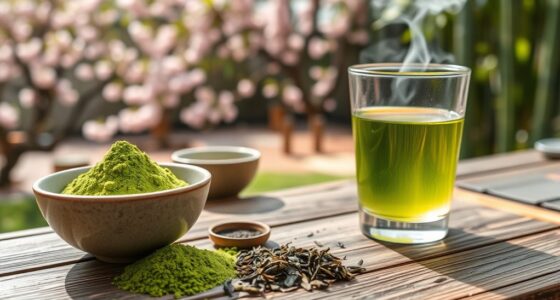
Japanese matcha green tea powder
As an affiliate, we earn on qualifying purchases.
As an affiliate, we earn on qualifying purchases.
Frequently Asked Questions
How Is Japanese Tea Different From Other Green Teas Worldwide?
Japanese tea differs from other green teas through its unique tea cultivation and processing methods. You’ll notice that Japanese tea is typically shaded before harvest, boosting amino acids and flavor. During tea processing, the leaves are steamed rather than pan-fired, which preserves vibrant green color and fresh flavor. This combination results in a smoother, umami-rich taste that sets Japanese green teas apart from others worldwide.
What Are the Health Benefits Specific to Japanese Tea Varieties?
You’ll find that Japanese tea varieties, like matcha and sencha, are packed with tea antioxidants that boost your immune system and fight free radicals. Studies show they contain higher levels of catechins, which contribute to health benefits like improved heart health and metabolism. Drinking Japanese tea regularly can help reduce stress, enhance mental clarity, and support overall wellness, making it a smart choice for your health journey.
How Should Japanese Tea Be Stored to Maintain Freshness?
You should store Japanese tea in an airtight tea container to protect it from air and moisture, which can cause it to lose freshness. Keep the container in a cool, dark, and dry storage environment, away from direct sunlight, heat, and strong odors. Avoid storing tea near spices or strong-smelling foods. Proper storage helps preserve the delicate flavors and aroma, ensuring your tea remains fresh and enjoyable over time.
Are There Traditional Ceremonies Associated With Japanese Tea?
Imagine you’re part of a traditional tea ceremony, like the Urasenke, where every movement follows precise tea etiquette. These ceremonies hold deep cultural significance, symbolizing harmony, respect, purity, and tranquility. They celebrate Japanese tea’s beauty and history, transforming simple tea-drinking into an art form. By participating or observing, you gain a deeper appreciation for the cultural values embedded in each carefully crafted and served cup.
What Are the Best Brewing Techniques for High-Quality Japanese Tea?
To brew high-quality Japanese tea, start by selecting fresh, high-grade tea leaves. Control the water temperature based on the tea type; for green teas like Sencha, use around 70-80°C (158-176°F), while for darker teas, slightly hotter water works. Avoid over-oxidizing the leaves by not steeping too long, and always pay attention to tea leaf oxidation levels to bring out the best flavor and aroma.
Conclusion
So, next time you sip on Japanese tea, remember there’s a world of subtlety waiting to be discovered. By paying closer attention, you’ll find you’re gently invited into a culture rich with tradition and delicate flavors. Allow yourself to appreciate these nuances without rushing—sometimes, the most delightful experiences come from simply slowing down. Embrace the quiet elegance of Japanese tea, and let it subtly enhance your appreciation for life’s simple, yet profound, pleasures.
Fall Picks
fall essentials
As an affiliate, we earn on qualifying purchases.