Many myths about Chinese tea suggest all types are heavily processed or complex to brew, but that’s not true. Not all Chinese teas are fermented; green, white, and oolong teas are minimally processed, preserving unique flavors. Traditional brewing methods may seem intricate, yet they’re simple to learn and adaptable. Understanding these facts helps you appreciate tea’s cultural depth and variety. Keep exploring to discover the true diversity and significance behind Chinese tea traditions.

Get coffee and tea gear delivered free with Prime
- Fast, free delivery on millions of items
- Prime Video, Amazon Music and more included
- Member-only deals all year
Key Takeaways
- Not all Chinese teas are fermented; fermentation is specific to certain types like Pu-erh and dark teas.
- Traditional brewing methods are accessible and adaptable, emphasizing patience and respect for the process.
- Fermentation does not automatically make tea stronger or more medicinal; it varies by tea type.
- Cultural rituals and attention to detail deepen the appreciation of Chinese tea beyond just drinking.
- Misconceptions about complexity and uniform processing across all teas are inaccurate; Chinese tea is diverse and evolving.
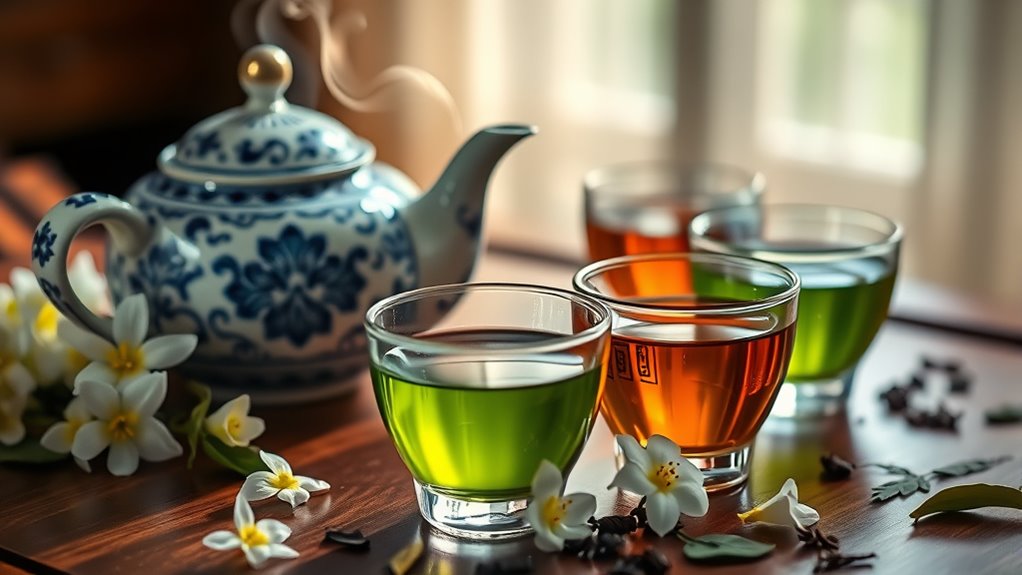
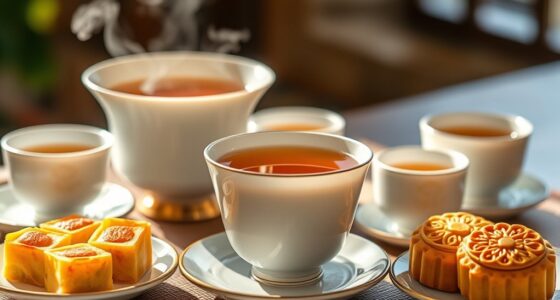
Chinese tea has a rich history filled with traditions and beliefs, but not everything you hear about it is accurate. Many myths surround Chinese tea, especially regarding its production and brewing methods. One common misconception is that all Chinese teas are fermented or processed the same way. In reality, tea fermentation is a specific step used mainly in the production of certain teas like Pu-erh and some dark teas. This process involves microbial activity that transforms the tea leaves, giving them a distinct earthy aroma and deep color. People often assume that fermentation makes tea stronger or more medicinal, but that’s not true for all types. Most traditional brewing methods focus on preserving the unique qualities of each tea, whether it’s green, white, oolong, or black. Green teas, for example, are minimally processed and unfermented, which keeps their fresh, grassy flavor intact. Knowing the differences in processing helps you appreciate the variety and the cultural significance behind each brew.
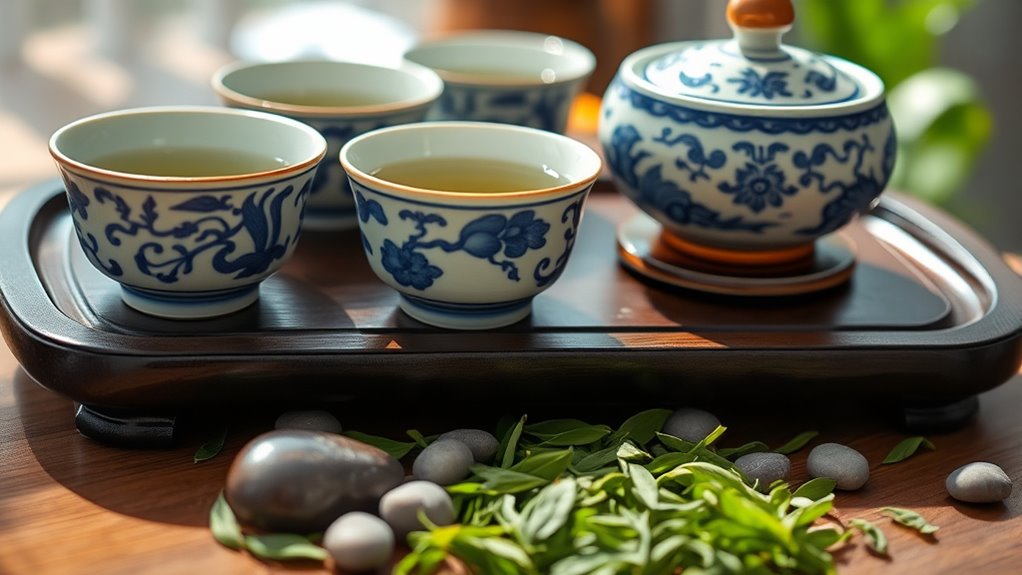
Another myth is that traditional brewing involves complicated techniques only experts can master. While some Chinese teas demand precise water temperature and steeping times, basic traditional brewing is accessible once you understand the essentials. Typically, it involves using specific teaware like gaiwan or Yixing clay teapots, which are believed to enhance flavor extraction. The process emphasizes patience and attention to detail, but it doesn’t mean you need extensive training. Instead, it encourages a mindful approach to preparing your tea, allowing you to enjoy each step and appreciate the nuances of taste and aroma. When you brew tea traditionally, you’re not just making a drink—you’re embracing a cultural ritual that has been refined over centuries. Additionally, energetic alignment can enhance the overall experience by fostering a deeper connection with the tea and its cultural roots.
People also often think that traditional Chinese tea brewing is rigid or outdated. On the contrary, it’s adaptable and evolving. While many still follow time-honored methods, modern enthusiasts might tweak parameters to suit personal preferences or to experiment with new flavors. The core principles, however, remain rooted in respect for the tea’s origin and the careful steps involved in tea fermentation and brewing. Whether you’re brewing a delicate white tea or a robust black tea, understanding these traditions enhances your appreciation and experience. Ultimately, Chinese tea isn’t just about drinking; it’s about connecting with history, culture, and the artistry involved in each sip. Recognizing the myths and facts helps you approach Chinese tea with more knowledge and enjoyment, making every cup a meaningful part of your journey into its rich heritage.
Frequently Asked Questions
Is Chinese Tea Beneficial for Weight Loss?
Yes, Chinese tea can be beneficial for weight loss. It’s rich in tea antioxidants that boost your metabolism and help your body burn fat more efficiently. Drinking Chinese tea regularly supports weight management by increasing energy levels and reducing cravings. Remember, though, it’s most effective when combined with a healthy diet and exercise. So, enjoy your cup of Chinese tea as part of a balanced approach to losing weight.
Are All Chinese Teas Caffeine-Free?
Not all Chinese teas are caffeine-free; in fact, many contain caffeine due to their processing methods. While green and black teas typically have caffeine, herbal teas like chamomile or jasmine are usually caffeine-free. You might love the soothing aroma of a herbal infusion, yet still enjoy a bold cup of black tea if caffeine’s a concern. Always check the tea processing and caffeine content to make the best choice for your needs.
Can Chinese Tea Improve Mental Clarity?
Chinese tea can indeed boost your mental clarity, especially herbal variations like ginseng or jasmine, which are known for cognitive enhancement. Drinking these teas regularly helps improve focus, alertness, and mental sharpness. The natural compounds in Chinese teas stimulate your brain, making it easier to concentrate and stay alert throughout the day. So, incorporating herbal Chinese teas into your routine might just give your mind the clarity boost you’re seeking.
Is Chinese Tea Suitable for Children?
Chinese tea isn’t generally appropriate for children because of potential concerns like child safety and tea allergies. You should be cautious, as caffeine in some teas can affect kids’ sleep and behavior. Always check for allergies, especially if your child has sensitivities. It’s best to consult a pediatrician before introducing Chinese tea or any caffeinated beverages into your child’s diet to ensure safety.
Does Brewing Time Affect Tea’s Health Benefits?
Yes, brewing time affects tea’s health benefits. A longer brew duration increases the steeping impact, releasing more antioxidants, polyphenols, and beneficial compounds. However, over-steeping can make the tea bitter and reduce some nutrients. To maximize health benefits, you should find a balance in brew duration that extracts enough nutrients without compromising flavor. Shorter steeping times may preserve delicate compounds, while longer ones boost antioxidant levels.
Conclusion
Think of Chinese tea as a vast, ancient garden filled with hidden paths and secret blooms. Some myths are like misleading signs, but the facts act as guiding stars, helping you navigate and appreciate its true beauty. As you explore, remember that every sip reveals a story waiting to be uncovered. Embrace the journey, and let the rich history and culture of Chinese tea become your compass in this enchanting garden.
Fall Picks
fall essentials
As an affiliate, we earn on qualifying purchases.