Chinese tea traditions influence modern tea culture by emphasizing rituals that focus on harmony, respect, and mindfulness. You learn to appreciate tea as more than just a drink, seeing it as an art form through careful steps like warming the teapot and graceful pouring. These practices encourage patience and aesthetic awareness. By exploring these cultural roots, you’ll discover how they shape contemporary spaces and rituals, and there’s much more to uncover if you continue exploring this timeless connection.

Get coffee and tea gear delivered free with Prime
- Fast, free delivery on millions of items
- Prime Video, Amazon Music and more included
- Member-only deals all year
Key Takeaways
- Chinese tea traditions introduced mindfulness, patience, and aesthetics into modern tea practices worldwide.
- The Chinese tea ceremony emphasizes harmony and respect, shaping contemporary etiquette and social rituals.
- Traditional Chinese design elements foster calm, reflective environments in modern tea spaces.
- The symbolic and cultural significance of tea in China influences global perceptions of tea as a meaningful experience.
- Ancient practices continue to inspire modern approaches that prioritize sensory appreciation and mindful consumption.
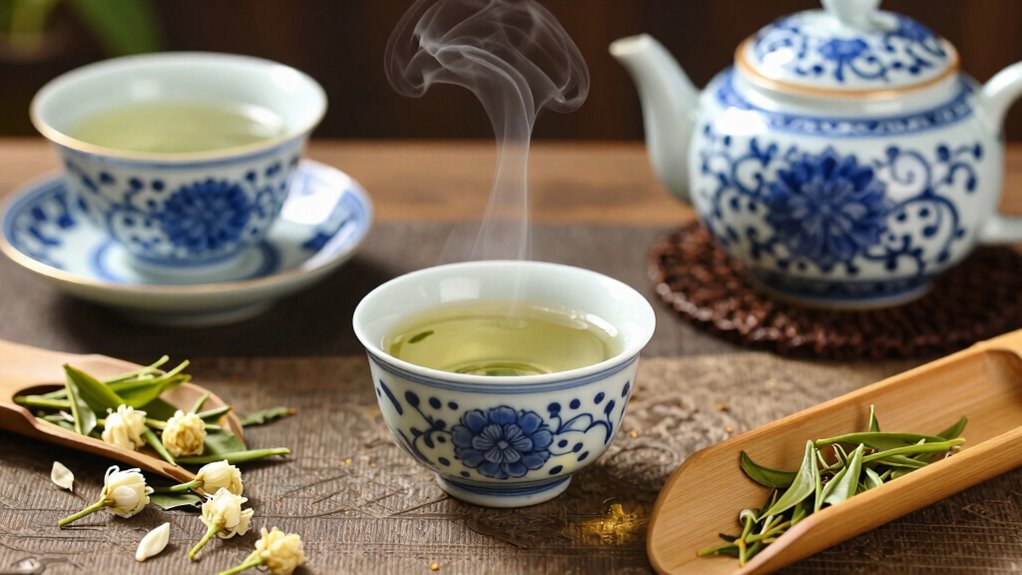
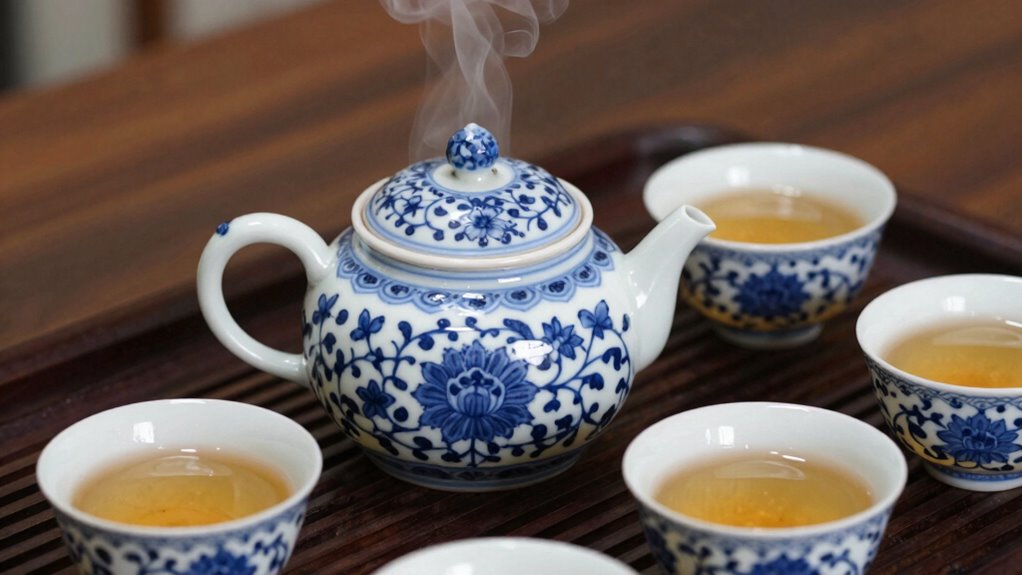
Have you ever wondered how ancient Chinese tea traditions shape the way we enjoy tea today? The answer lies in the deep-rooted practices that have been passed down through centuries, especially the tea ceremony. This ritual isn’t just about brewing and drinking tea; it’s a reflection of Chinese culture, emphasizing harmony, respect, and mindfulness. When you observe or participate in a traditional tea ceremony, you’re engaging with a centuries-old tradition that values patience, precision, and aesthetic appreciation. It’s a deliberate act that elevates simple tea drinking into an art form, influencing how modern tea enthusiasts approach their daily routines. The ceremony’s careful steps—such as warming the teapot, rinsing the leaves, and pouring tea with deliberate, graceful movements—highlight the importance of mindfulness and reverence for the process. These elements have permeated contemporary tea practices worldwide, making tea more than just a beverage but an experience rooted in tradition. Additionally, the tea ceremony’s cultural significance continues to inspire modern interpretations and adaptations around the globe. The tradition of mindfulness embedded in Chinese tea culture promotes a deeper appreciation for the sensory experience of tea, encouraging a more thoughtful approach to daily rituals.
Cultural symbolism plays a significant role in shaping how tea is perceived today. In Chinese culture, tea is more than a drink; it’s a symbol of hospitality, respect, and social harmony. Sharing tea signifies trust and friendship, bridging gaps between people. This symbolism influences modern tea culture by emphasizing the importance of community and connection. When you host or partake in a tea gathering, you’re participating in a tradition that values relationship-building and mutual respect. The emphasis on etiquette and ceremony in Chinese tea culture has inspired contemporary tea practices across the globe, encouraging people to slow down and appreciate the moment. It also fosters a sense of mindfulness, reminding us to be present and attentive during our tea-drinking experience.
Furthermore, Chinese tea culture has shaped the aesthetics of modern tea spaces—whether it’s a minimalist tea room or a cozy kitchen nook. The focus on harmony and balance in Chinese traditions influences the design and ambiance of modern tea settings, creating environments that promote calmness and reflection. The cultural symbolism embedded in these spaces encourages you to view tea time as more than just a quick refreshment; it’s a ritual that nurtures the mind and soul. Overall, the influence of ancient Chinese tea traditions—through the art of the tea ceremony and its powerful symbolism—continues to inspire and elevate modern tea culture, inviting you to partake in a timeless practice that values presence, respect, and connection.
As an affiliate, we earn on qualifying purchases.
Frequently Asked Questions
How Did Chinese Tea Originate Historically?
You discover that Chinese tea originated thousands of years ago, with early cultivation techniques developing during the Shang and Zhou dynasties. Over time, people perfected tea cultivation techniques, including tea fermentation methods that created different types like green, black, and oolong teas. These innovations shaped the rich history of Chinese tea, influencing its cultural significance and spreading globally, laying the foundation for modern tea practices worldwide.
What Are the Key Types of Traditional Chinese Tea?
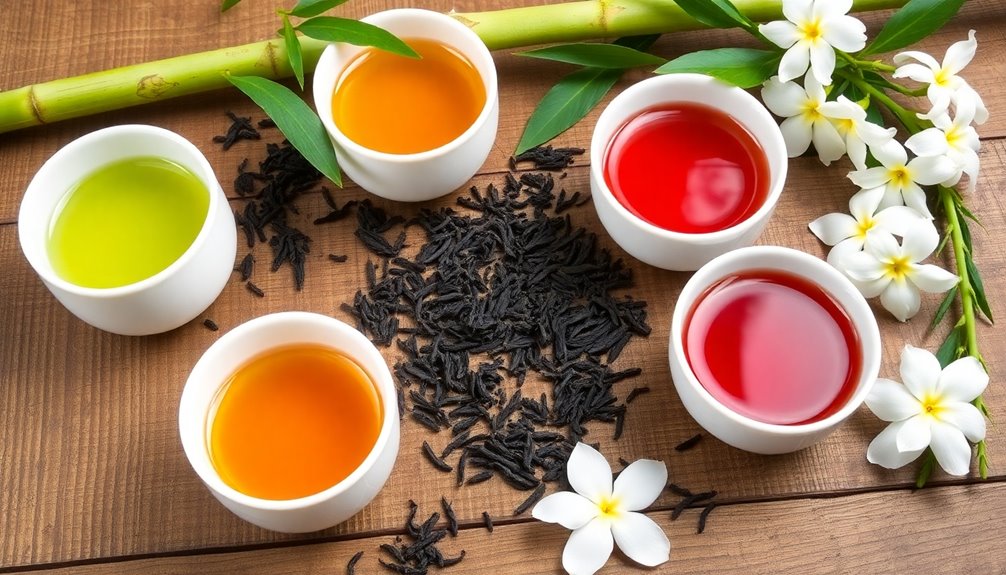
You’ll find key types of traditional Chinese tea include green, black, white, oolong, pu-erh, and yellow tea. Each type uses specific tea leaves and brewing methods, which influence flavor and aroma. For example, green tea involves quick heating of the leaf, while pu-erh undergoes fermentation. Understanding these distinctions helps you appreciate the rich diversity of Chinese tea, enhancing your brewing experience and tasting journey.
How Has Chinese Tea Influenced Global Tea Rituals?
Chinese tea has deeply influenced global tea rituals by shaping tea etiquette and emphasizing cultural symbolism. You observe refined manners, like gentle pouring and mindful sipping, that stem from Chinese traditions. These practices highlight respect and harmony, inspiring cultures worldwide to adopt similar rituals. Chinese tea’s emphasis on symbolism, such as health and spirituality, continues to enrich modern tea ceremonies, fostering a deeper appreciation for tea’s cultural significance across diverse societies.
What Are Modern Innovations in Chinese Tea Production?
Modern innovations in Chinese tea production include advanced tea fermentation techniques that enhance flavor and shelf life. You’ll also notice improvements in tea packaging, with eco-friendly materials and airtight seals that preserve freshness. These innovations make it easier for you to enjoy high-quality Chinese teas anywhere, blending traditional methods with modern technology. As a result, your tea experience becomes more convenient, sustainable, and flavorful, reflecting China’s evolving approach to tea craftsmanship.
How Do Chinese Tea Ceremonies Differ From Others Worldwide?
Think of Chinese tea ceremonies as a dance of elegance and tradition, where every gesture holds meaning. You’ll notice strict tea etiquette and ceremonial symbolism that emphasize respect, harmony, and mindfulness. Unlike Western traditions, Chinese ceremonies focus on the ritual’s spiritual and cultural significance, blending artistry with mindfulness. This creates an immersive experience, inviting you to appreciate not just the tea, but the history and philosophy that shape its preparation and presentation.
Conclusion
Think of Chinese tea as a wise old river, flowing through time and shaping every stream it touches. Its rich traditions and artistry ripple through modern tea culture, guiding new generations like a gentle current. As you sip today’s tea, you’re part of this timeless journey, connecting past and present. Embrace the flow, and let Chinese tea be the guiding current that enriches your own tea experience, blending history with every cup.
Fall Picks
fall essentials
As an affiliate, we earn on qualifying purchases.