Most tea lovers overlook how each cup is shaped by its unique origin—climate, soil, and geography craft different flavors, textures, and aromas. You might not realize that trade routes and colonial history influenced the varieties and traditions you enjoy today. These stories connect you to centuries of cultural exchange and craftsmanship. If you want to uncover how these elements blend into every brew, there’s more to discover about tea’s fascinating origins.
Key Takeaways
- The unique geographic and environmental factors that give each tea its distinct flavor profile are often overlooked.
- The historical trade routes that facilitated cultural exchange and influenced tea processing methods are rarely recognized.
- The colonial history that shaped modern tea varieties and traditions is often forgotten or misunderstood.
- The importance of sustainable and fair trade practices in preserving tea land, communities, and heritage is frequently missed.
- The deep cultural significance and rituals rooted in specific regions’ tea traditions are often underestimated.
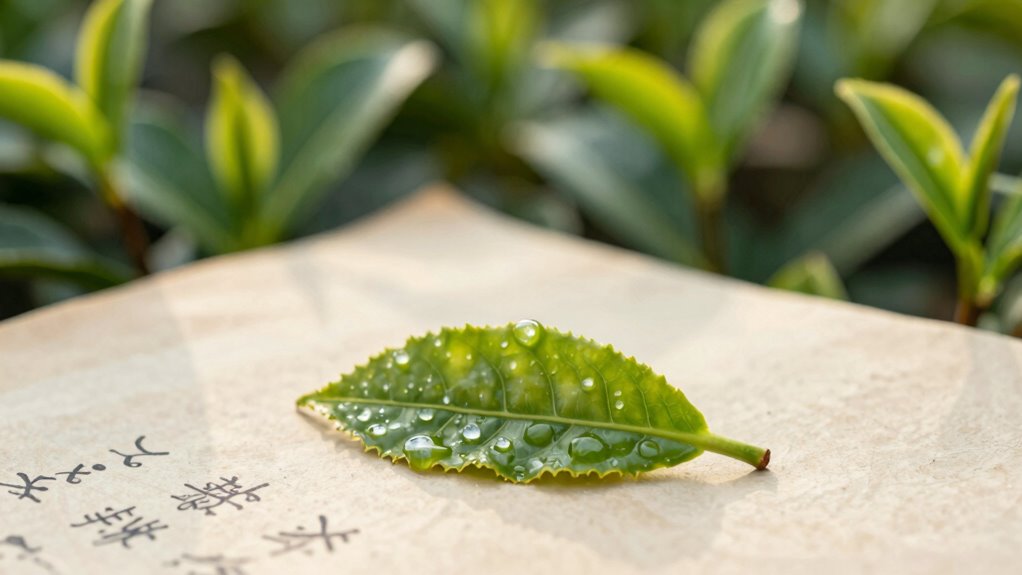
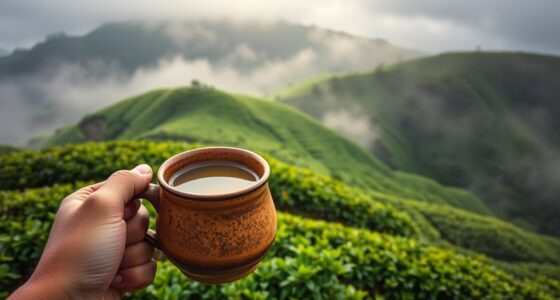
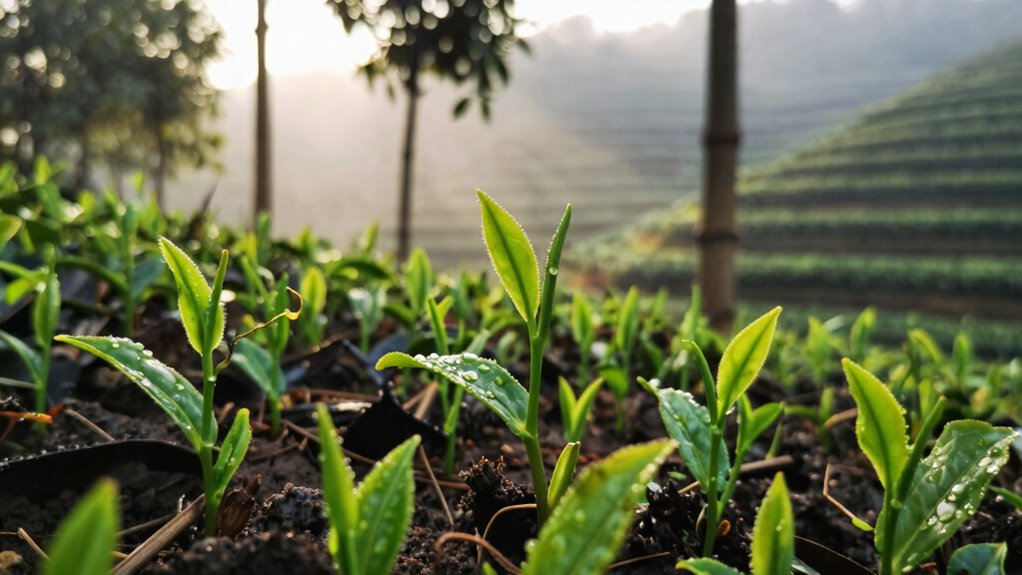
Tea has a rich history that often goes unnoticed by most enthusiasts, who typically focus on brewing techniques or flavor profiles. But understanding where tea comes from and how it traveled across the world can deepen your appreciation for every sip. The story begins in specific tea growing regions, where climate, soil, and altitude create the perfect environment for tea plants to thrive. Places like China’s Yunnan province, India’s Assam and Darjeeling, and Sri Lanka’s highlands aren’t just random locations—they’re carefully chosen for their unique conditions that give each tea its distinct character. When you learn about these regions, you realize that every cup of tea carries a piece of that land’s history and geography.
Beyond the land itself, the historical trade routes played an essential role in shaping the global tea culture you enjoy today. Long before tea became a staple in Western cafes, it traveled along intricate pathways connecting Asia with the Middle East, Africa, and Europe. The Silk Road, for instance, wasn’t just about silk; it was a significant route for tea to reach new markets and audiences. Maritime routes like those established by the Portuguese and Dutch brought tea from Asia to Europe and beyond. These trade routes weren’t just pathways for commodities—they were channels for cultural exchange, influencing everything from brewing customs to social rituals. When you sip your tea, you’re tasting centuries of trade, diplomacy, and cultural blending.
What many tea lovers miss is how these historical trade routes helped shape the varieties and traditions you see today. Different regions adopted their own methods for processing tea—some favoring green, others black, or oolong—and those techniques often originated from trade interactions. For example, the British popularization of afternoon tea was linked to their colonial ties in India and China, which made tea more accessible and affordable. Recognizing these origins helps you understand why certain teas taste the way they do and how diverse cultural influences have contributed to your favorite blends. Understanding the trade routes and the movement of tea across continents reveals how interconnected and dynamic the history of tea truly is. Additionally, the influence of colonial powers played a crucial role in developing the varieties and processing techniques that define different teas today. Modern sustainable practices and fair trade initiatives are now being integrated into these tea origins, promoting environmental conservation and equitable trade, which are vital for preserving the land and communities that produce our beloved tea. These efforts ensure that future generations can continue to enjoy the rich diversity of tea while supporting the land and communities that sustain its production.

WT WEETEE Organic Green Tea Loose Leaf 228G, 110+ Cups Yunnan Floral Green Tea | High-Mountain Spring Harvest | Clean, Fresh & Smooth | No Bitterness
【Organic High-Mountain Floral Green Tea】Early spring harvest from certified organic tea gardens in Yunnan, offering a clean, natural…
As an affiliate, we earn on qualifying purchases.
As an affiliate, we earn on qualifying purchases.
Frequently Asked Questions
How Do Climate Changes Affect Tea Plant Growth?
Climate changes impact tea plant growth by challenging its resilience and forcing it to adapt. Rising temperatures and unpredictable weather can stunt growth or reduce leaf quality. You might notice shifts in flavor and aroma due to climate adaptation, as tea plants struggle to thrive in altered conditions. Understanding these effects helps you appreciate the importance of sustainable farming practices and the resilience needed for tea plants to survive and flourish despite climate change.
Are There Traditional Harvesting Methods Unique to Specific Regions?
Imagine the delicate dance of leaves, each pluck a brushstroke on a tea landscape. In some regions, traditional plucking involves hand harvesting, where skilled workers carefully select the tender buds and leaves, preserving their essence. These methods are unique, like a regional signature, ensuring the tea’s quality and character. You can taste the difference, knowing that every leaf was plucked with care, echoing centuries of tradition in every sip.
What Role Do Local Cultures Play in Tea Processing Techniques?
You should realize that local cultures deeply influence tea processing techniques, often shaping methods through tea ceremonies and cultural symbolism. These ceremonies emphasize respect, tradition, and aesthetics, affecting how teas are harvested, oxidized, and prepared. By understanding these cultural nuances, you gain a richer appreciation of tea’s origins. This connection between culture and technique guarantees each cup embodies more than just flavor; it reflects centuries of tradition and societal values.
How Do Soil Types Influence Tea Flavor Profiles?
Soil types considerably influence tea flavor profiles through terroir influence. You’ll notice that soil mineralogy, like volcanic or clay soils, imparts unique mineral notes and depth to your tea. The nutrients and minerals in the soil interact with the tea plants, shaping distinct flavors. By understanding soil types, you can appreciate how terroir influence creates diverse, nuanced tastes, making each tea experience more rich and personalized.
Are There Rare or Ancient Tea Varieties Still Cultivated Today?
Yes, you can still find ancient cultivars and rare varietals being cultivated today. These unique teas often come from traditional farms, preserving centuries-old practices and flavors. You might discover rare varietals like the ancient Pu-erh or old Camellia sinensis strains, which offer distinct, complex profiles. Exploring these teas lets you taste history and connect with the rich heritage behind tea cultivation, making each sip a special experience.

Tea India Assam Black Tea, CTC Loose Leaf, 2 lb
CTC TEA- CTC stands for Crush Tear Curl. The black tea leaves in the process of passing through…
As an affiliate, we earn on qualifying purchases.
As an affiliate, we earn on qualifying purchases.
Conclusion
As a tea lover, you might not realize that over 80% of the world’s tea is produced in just a handful of countries, yet each region’s unique climate and soil create distinct flavors you miss out on. Next time you sip your favorite brew, remember the journey from soil to cup. Appreciating tea’s origins deepens your connection and makes each sip more meaningful, turning a simple drink into a rich cultural experience.

Tea Forte Estate Darjeeling Premium Loose Leaf Caffeinated Black Tea Blend Canister, Makes 35-50 Cups
ESTATE DARJEELING – Layered and complex tea from the prized Golden Valley of Darjeeling.
As an affiliate, we earn on qualifying purchases.
As an affiliate, we earn on qualifying purchases.

Ceylon Flavors Fresh and Pure Organic Ceylon Cinnamon 30 Tea Bags From Sri Lanka USDA Certified
Savor Authentic Ceylon Cinnamon: Each sip reveals a rich, subtly sweet flavor profile
As an affiliate, we earn on qualifying purchases.
As an affiliate, we earn on qualifying purchases.