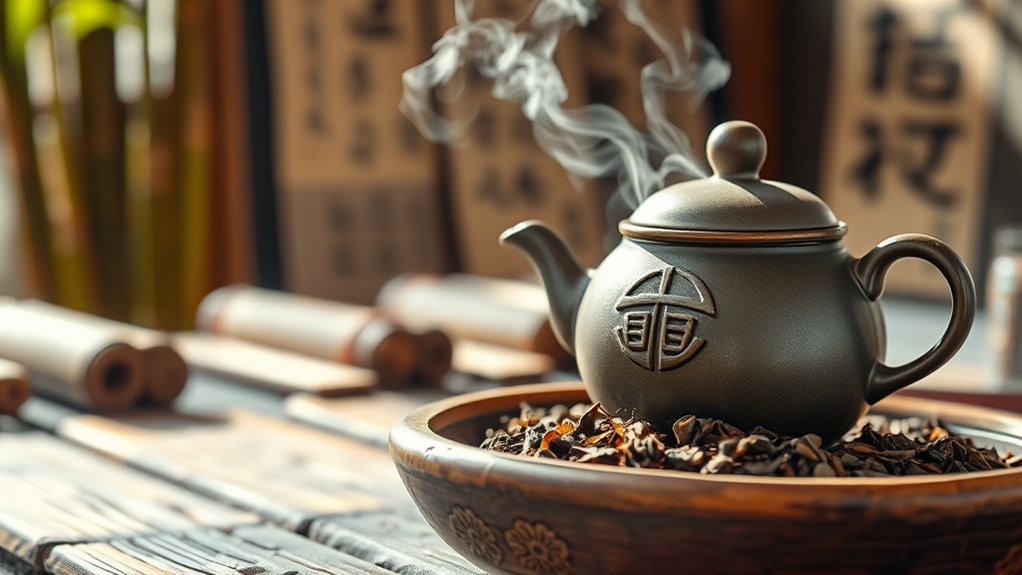

The spiritual and philosophical roots of tea trace back to ancient traditions where tea symbolizes harmony, mindfulness, and a deep connection with nature. As you embrace tea practices, you’re participating in rituals that promote inner calm, awareness, and respect for craftsmanship. These origins emphasize balance, ethical sourcing, and aesthetic beauty, transforming tea into more than just a beverage—it’s a reflection of spiritual principles. Continuing your journey will reveal even more profound insights into tea’s meaningful history.

Get coffee and tea gear delivered free with Prime
- Fast, free delivery on millions of items
- Prime Video, Amazon Music and more included
- Member-only deals all year
Key Takeaways
- Tea’s origins are deeply rooted in spiritual and philosophical traditions that emphasize harmony, mindfulness, and inner balance.
- The practice of tea ceremonies fosters meditative awareness, encouraging participants to focus on each moment and cultivate tranquility.
- Ethical sourcing of tea reflects interconnectedness, respect for nature, and aligns with spiritual values of integrity and sustainability.
- Philosophical principles like balance and mindfulness are embedded in tea rituals, promoting reflection on personal and societal harmony.
- The aesthetic harmony of traditional tea ceremonies symbolizes philosophical ideals, elevating tea from a beverage to a spiritual practice.
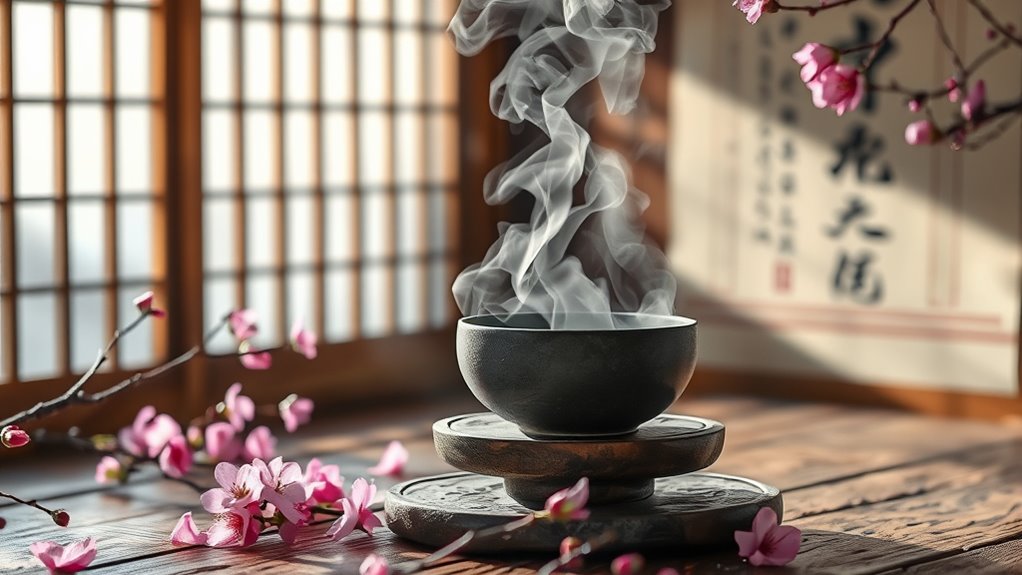
Tea’s origins are deeply intertwined with spiritual and philosophical traditions that have shaped its significance beyond mere consumption. When you sip tea, you’re participating in a practice rooted in centuries of cultural reflection, mindfulness cultivation, and ethical sourcing. These elements transform a simple act into a meaningful ritual that promotes inner calm, awareness, and a connection to larger philosophical ideals. From the outset, tea has been more than a beverage; it’s a vessel for contemplation and a symbol of harmony between humans and nature.
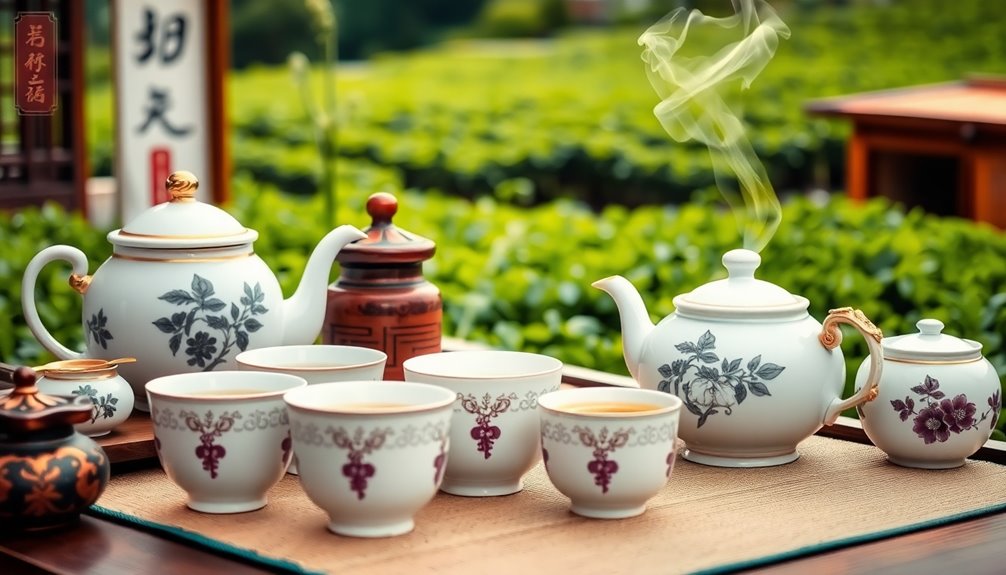
In many traditions, particularly in East Asia, tea ceremonies serve as a form of mindfulness cultivation. You’re encouraged to slow down, focus on each step, and fully experience the moment. This process helps clear your mind and cultivate presence, turning drinking tea into a meditative practice. The deliberate movements, the careful selection of leaves, and the attentive preparation all serve to center your thoughts and foster a sense of tranquility. As you engage in these rituals, you become more aware of your breath, your surroundings, and your inner state—creating a space for reflection that extends beyond the moment of drinking.
Ethical sourcing plays a vital role in the broader spiritual and philosophical significance of tea. When you choose teas that are ethically sourced, you’re aligning your values with your consumption habits. This means supporting farmers who practice sustainable agriculture, fair labor conditions, and environmentally friendly methods. Ethical sourcing reflects a respect for the land and the people who cultivate the tea, reinforcing a sense of interconnectedness and responsibility. It’s an acknowledgment that the journey of tea from leaf to cup involves more than just nature’s bounty—it’s a shared effort rooted in integrity and respect.
The philosophical teachings embedded in tea’s history emphasize balance, harmony, and mindfulness—not just as abstract ideals but as practical ways to engage with everyday life. Whether it’s in a formal ceremony or a quiet moment alone, tea invites you to reflect on these principles. It encourages you to be present, to appreciate the craftsmanship behind each leaf, and to consider your impact on the environment and society. By consciously choosing ethically sourced tea and practicing mindfulness cultivation, you participate in a tradition that values spiritual growth and ethical integrity. This holistic approach elevates tea from a simple beverage to a meaningful practice that nourishes both body and soul. Additionally, understanding the high contrast ratios of traditional tea ceremonies can deepen your appreciation for the visual harmony and aesthetic balance they embody.
Products Worth Considering

KitchenAid 28 oz Cold Brew Coffee Maker, KCM4212

Cuisinart Portable Tabletop Propane Patio Heater, 11,000 BTU, Red

Cuisinart Stainless Steel Bread Maker, 12 Programs, 2 lb Capacity
As an affiliate, we earn on qualifying purchases.
Frequently Asked Questions
How Did Tea Become a Symbol of Spiritual Enlightenment?
You see, tea became a symbol of enlightenment because monks and scholars found that drinking it helped them focus during meditation and spiritual practice. As you sip tea, it encourages mindfulness and calm, fostering spiritual awakening. Over time, tea’s calming effects and its role in meditation rituals elevated it to represent deeper spiritual understanding, making tea a powerful symbol of enlightenment and inner peace in many cultures.
Are There Specific Rituals Associated With Tea in Different Cultures?
Have you ever wondered how tea rituals deepen cultural bonds? In many cultures, tea ceremonies and rituals play a essential role, from Japan’s meditative tea ceremony to China’s Gongfu tea practice. These cultural rituals aren’t just about drinking tea; they embody respect, harmony, and mindfulness. By engaging in these rituals, you connect more deeply with tradition and foster a sense of community and inner peace.
What Philosophical Principles Underpin Traditional Tea Ceremonies?
You embrace the philosophical principles of traditional tea ceremonies through mindfulness cultivation and ritual symbolism. By focusing on each step, you deepen your awareness of the present moment, fostering inner calm. The ceremony’s symbolic actions, like precise movements and specific utensils, remind you of harmony and respect. This mindful practice helps you connect spiritually, emphasizing simplicity, humility, and the appreciation of transient beauty in every moment.
How Does Tea Influence Mindfulness and Meditative Practices?
Tea acts as a gentle bridge to mindfulness cultivation, turning every sip into a moment of meditative focus. When you brew and drink tea, it’s like tuning a delicate instrument—calming your mind and sharpening your awareness. This simple act helps you slow down, embrace the present, and deepen your meditative practice. In this way, tea becomes a catalyst for inner peace, guiding you toward clarity and serenity with each mindful sip.
Can Tea’s Spiritual Significance Vary Across Different Regions?
Yes, tea’s spiritual significance varies across regions due to regional beliefs and cultural diversity. In Japan, tea embodies harmony and mindfulness through the tea ceremony, while in China, it symbolizes respect and social harmony. In India, chai connects to spiritual rituals and community bonding. These differences reflect how local traditions shape tea’s role, allowing you to experience diverse spiritual practices rooted in regional beliefs and cultural diversity.
Conclusion
As you reflect on tea’s spiritual and philosophical roots, you’ll notice how each sip connects you to centuries of mindful tradition. Remarkably, over 2 billion cups of tea are enjoyed daily worldwide, highlighting its universal significance. Embracing these deeper aspects can transform your experience, turning a simple beverage into a moment of calm and reflection. So next time you brew tea, remember you’re part of a rich cultural and spiritual journey that spans generations.