TL;DR

Get coffee and tea gear delivered free with Prime
- Fast, free delivery on millions of items
- Prime Video, Amazon Music and more included
- Member-only deals all year
A VinePair report based on interviews with travelers and European bartenders describes American drinking habits abroad: open conversation and curiosity often sit alongside requests for vodka Martinis, customized classics and familiar U.S. spirits. The piece is a reported account, not a representative survey, and its anecdotes do not establish how common those habits are among American travelers.
American visitors in European bars are often described by bartenders as conversational and curious, while also bringing specific preferences for vodka Martinis, garnishes and familiar U.S. spirits, according to a VinePair report based on interviews. The article offers firsthand observations rather than a representative study, but it highlights how travelers’ expectations can shape encounters with local drinking culture.
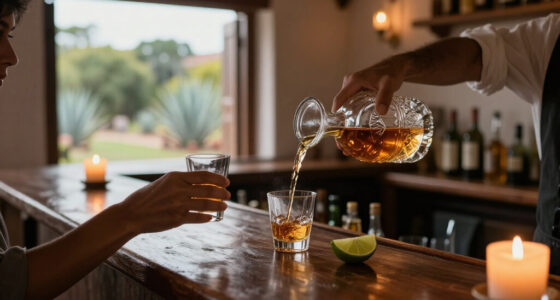
Giorgio Bargiani, assistant director of mixology at London’s Connaught Bar, told VinePair that U.S. customers often begin conversations with staff and other guests, and that their interest in drinks can feel genuine. He also recalled that, when he moved to London in 2014, many American guests arrived with a clear idea of how they wanted a Martini made, often preferring vodka to gin. The bar makes about 30,000 Martinis a year, according to the report.
Other requests described in the article include blue-cheese-stuffed olives in Martinis, American bourbon or particular vodka brands, and familiar drinks such as a Cosmopolitan or Vodka Cranberry. Arturo Burzio, head mixologist at Madrid’s Rosewood Villa Magna, said American customers sometimes request changes to classic cocktails, including asking for a Margarita to be made “without sugar.” The report notes that traditional Margarita recipes do not require added sugar, while sweeter versions are common in the United States.
The story also follows Regine Rousseau, a Chicago-based wine consultant and senior sales advisor at Verve Wine Chicago, whose approach is to ask bartenders what they make especially well. Rousseau said she prefers to linger, talk and let the place influence what she drinks, rather than try to pass as a local or rush between stops. Her account presents another side of the traveler stereotype: curiosity can mean asking questions and adapting, not pretending to have local knowledge.
How Travelers Shape Bar Encounters
The report matters as a portrait of the small negotiations that happen when visitors bring familiar tastes into unfamiliar settings. A request for a vodka Martini or a particular brand can reflect personal preference, but it may also run against a bar’s local menu, ingredients or conventions. For bartenders, those requests are part of the work of serving customers while explaining what the venue does well.
VinePair cites International Trade Administration data showing international travel by U.S. tourists rose about 71 percent over the decade, and reports that Americans took a record 24 million trips to Europe in 2025. The article attributes an expectation of a further 5 percent increase by the end of 2026 to The Wall Street Journal. These figures provide travel context, but they do not measure bar-ordering habits or prove that Americans are becoming more open to local drinks.
Products Worth Considering

Ninja Crispi Glass Air Fryer (Stone) – 4‑in‑1

Le Creuset Enamemed Cast Iron Oval Dutch Oven, 5 qt., White/Crucible

KitchenAid Classic Series 4.5-Quart Tilt-Head Stand Mixer, Onyx Black
As an affiliate, we earn on qualifying purchases.
From Martini Orders to Local Specials
The article revisits familiar caricatures of American tourists as loud, highly opinionated or attached to familiar comforts. In bars, those ideas show up in stories about customized cocktails, vodka and ice, and confident conversation. But the interviewees describe more than one pattern: Bargiani says U.S. guests tend to talk readily, while Rousseau emphasizes taking time and asking bartenders for recommendations.
Rousseau says her own experience as a Black, Haitian-American traveler has shaped how she thinks about fitting in. She told VinePair that she is often visibly different from many people in the places she visits and does not see blending in as a requirement for being a considerate guest. Her approach is to learn about the culture around her rather than insert herself into it.
““There is always interest that, in my eyes, feels genuine.””
— Giorgio Bargiani
What the Interviews Cannot Establish
The report does not provide a survey, sample size or systematic count of American customers’ orders. Its observations come from a small set of people with experience in particular bars and from Rousseau’s personal travel account. They should not be treated as representative of U.S. travelers as a whole, or as evidence that ordering habits have changed over time.
The article also does not quantify how often guests request particular substitutions, how bars respond, or whether those requests affect business. The travel figures cited offer a sense of scale for U.S. trips to Europe, but they do not show how many travelers visit bars or what they order. The source’s forecast of a 5 percent rise in European trips by the end of 2026 is an expectation, not a confirmed outcome.
More Travel, More Bar Encounters
The source points to continued U.S. travel to Europe as a reason these exchanges will remain visible in bars, but it does not identify a specific policy, industry change or follow-up study. The next meaningful evidence would be broader data on traveler orders or interviews across more venues and countries. Until then, the report is best read as a set of attributed observations about how some American guests communicate their preferences and respond to local recommendations.
For readers planning a visit, the practical takeaway is to ask what a bar makes well and to treat a bartender’s recommendation as an invitation rather than a rule. A familiar order may still be available, but menus and recipes vary by place. The article does not suggest that travelers must hide their preferences to be respectful; Rousseau’s account instead emphasizes curiosity, conversation and awareness of the setting.
Key Questions
What does the VinePair report say about American drinkers in Europe?
It describes some U.S. visitors as conversational and curious, while noting that they may arrive with specific preferences for vodka Martinis, garnishes, brands or familiar cocktails. Those descriptions are interview-based observations, not a population-wide survey.
Which Martini preference did a London bartender mention?
Giorgio Bargiani of The Connaught Bar said American guests often had a precise idea of how they wanted a Martini, particularly a preference for vodka rather than gin.
Are the article’s observations representative of all American tourists?
No. VinePair’s account relies on interviews with hospitality professionals and one traveler’s experiences. It gives no survey sample or data showing how common the described orders are.
What approach does Regine Rousseau take when ordering abroad?
Rousseau said she often asks a bartender what the bar makes especially well and prefers to linger and learn from the place. She also said she does not view pretending to blend in as necessary to being a good visitor.
Source: rss