TL;DR
A good tea gift set for Christmas matches the recipient’s preferred flavors and brewing habits, with clear information about tea type, quantity, freshness, and ingredients. If you’re unsure what they like, choose a varied sampler with approachable teas and a useful infuser, then check the total tea weight, allergy labels, storage guidance, and delivery dates.
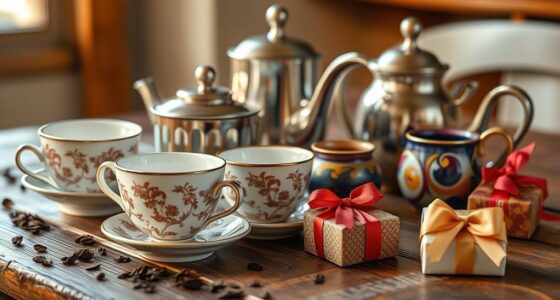
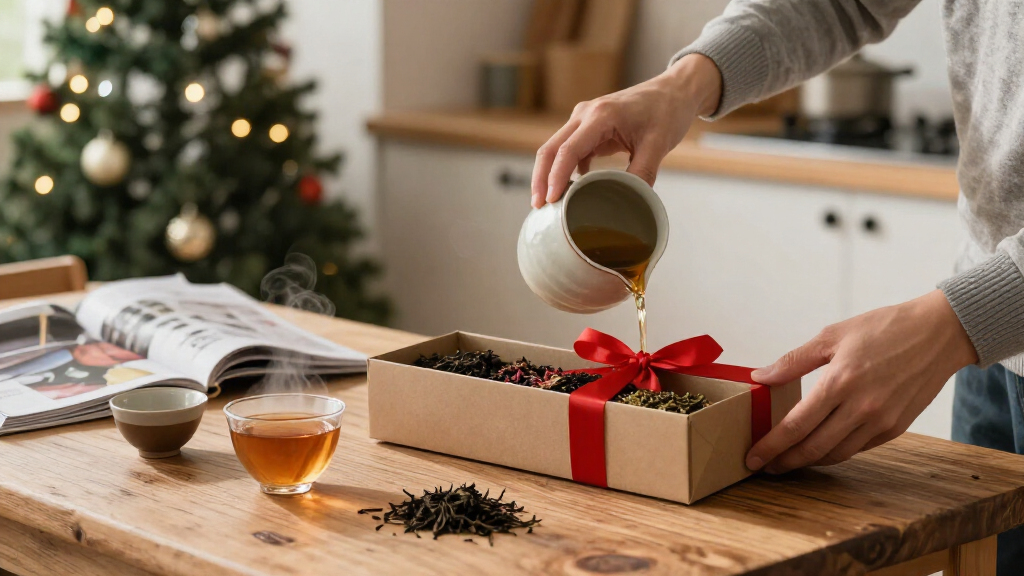
A beautiful tea box can promise a cozy winter afternoon, but the right Christmas tea gift set does more than look lovely under the tree. It gives the recipient tea they’ll enjoy, in a format they’ll actually use. That could mean familiar breakfast tea in bags, a set of loose-leaf samples, or a small collection of fragrant herbal infusions.

Get coffee and tea gear delivered free with Prime
- Fast, free delivery on millions of items
- Prime Video, Amazon Music and more included
- Member-only deals all year
This guide will help you match tea, accessories, and extras to the person you’re buying for. You’ll learn how to compare quantity and value, spot freshness and ingredient details, and check the practical bits, from allergies to delivery deadlines. Tea gift sets are a popular Christmas present because they combine an everyday treat with a little discovery; a thoughtful choice makes both parts count.
Think of your friend who drinks the same strong black tea every morning. A box of delicate green teas might seem adventurous, but a sampler of breakfast blends could be the gift they reach for first. Start with what you know about their cup, then add one small surprise.
Match tea type and format to the recipient’s routine; choose a varied sampler when you’re unsure.
Compare total tea weight, serving guidance, and accessory usefulness instead of judging the box by its size.
Check ingredients carefully: herbal infusions can contain caffeine, and edible extras may include allergens.
Keep tea sealed in a cool, dry place, away from light, moisture, heat, and strong aromas.
Check Christmas delivery cutoffs early; use a local shop or gift voucher when shipping time is tight.
Choose a tea set that fits the way they drink
Tea gift sets for Christmas work best when their teas match the recipient’s favorite flavors and brewing habits. Find out whether they usually drink black, green, white, oolong, or herbal tea, and whether they prefer loose leaf or bags. These preferences affect more than flavor: loose leaf needs a suitable infuser and a little more time, while bags are easy to carry and brew quickly. If you’re guessing, a sampler gives them more than one route to a satisfying cup.
Picture your brother making tea before his commute, one hand on the kettle and the other looking for his keys. A set of individually wrapped bags suits that quick routine because it is simple to portion and easy to take along. Your friend who spends Sunday mornings watching the leaves unfurl in a glass pot might enjoy loose-leaf samples instead. The gift should fit the moment they already have; a tea that asks for equipment or attention they don’t have can stay unopened, however distinctive it is.
For a newcomer, pick a collection with approachable flavors and simple brewing directions. A mix of breakfast tea, a mild green tea, and a caffeine-free fruit infusion offers variety without making the first sip a puzzle. A basic infuser can help if the tea is loose leaf and they don’t have one yet. Variety makes discovery feel inviting, but too many unfamiliar styles can make the set harder to navigate, so a few clear choices are often more useful than a large assortment.
For an experienced drinker, an origin-focused sampler or carefully chosen teas can offer more to explore. The best surprise is still one they can use: try a new region or flavor alongside a style they already like. Familiarity gives them a point of comparison, while the new tea supplies the discovery. A box full of unfamiliar teas can be exciting, but only if the recipient enjoys experimenting.
Products Worth Considering

Traeger Pro 22 Wood Pellet Grill & Smoker

Le Creuset Signature Enameled Cast Iron Braiser, 3.5 qt., White

Weber Q 1400 Portable Electric Grill, Gray
As an affiliate, we earn on qualifying purchases.
Compare the contents, not the size of the box
A worthwhile tea gift set earns its price through good tea, useful extras, and clear quantities, not a tall box with generous-looking tissue paper. Check how many teas it includes, their total weight, whether they’re loose leaf or bagged, and what each accessory adds. Total weight and serving guidance help you judge how long the tea may last; a set with many flavors can still offer only a few cups of each. A large collection can contain very small samples, so the number of compartments alone is a poor measure of value.
For example, a set with four small teas and a sturdy infuser may serve a beginner better than a larger box with loose tea but no way to brew it. The accessory lowers the effort needed to try the tea, which can matter more to a new drinker than extra quantity. Someone with a cupboard full of teapots may get more pleasure from refill packs or a focused collection of distinctive teas. Match the contents to the gap the recipient has, since a useful extra for one person can be clutter for another.
Compare sets with these questions in mind:
- How much tea comes in the box? Look for total weight and serving guidance so you can estimate how many cups it makes. This helps distinguish a tasting set from a supply meant to last several weeks.
- What will they use? A mug, infuser, or brewing guide can help a new tea drinker; an enthusiast may prefer more tea and fewer extras. Consider whether the accessory solves a real brewing need or simply adds volume to the parcel.
- Can they refill or reuse anything? A reusable tin or refill option can give the gift a useful life beyond the holidays. It is most valuable when the recipient has room to store it and can easily find refills.
The price per cup won’t tell you everything, since a small sample set may offer rare or carefully sourced teas. Still, quantity gives you a fair comparison. Think of the cost as paying for a mix of tea, discovery, and any tools they need; once you know which part matters most to the recipient, it’s easier to judge whether the price feels fair. Don’t let oversized packaging make a few sachets look like a generous supply.
Look for freshness and ingredients you can verify
Choose tea that arrives sealed, well described, and protected from heat, light, air, and moisture. A clear description can tell you the tea’s origin, ingredients, and packing or harvest information, where available. These details help you distinguish a tea with identifiable character from a generic blend and make it easier to check whether its contents suit the recipient. Good labeling helps you judge what’s inside and gives the recipient a better start when they brew it.
Freshness matters most when the leaf’s delicate aroma is part of the pleasure. A tin of green tea should smell clean and leafy once opened; a fruit blend might release a bright, tart fragrance. Over time, air, light, heat, and moisture can dull aroma or change the tea’s character, so intact packaging helps preserve the experience the seller describes. If tea arrives in damaged or unsealed packaging, contact the seller rather than treating it as a normal part of the gift.
Store tea in an airtight container in a cool, dry place, away from direct sunlight, the stove, and strong-smelling foods. The spice cupboard may seem handy, but tea can pick up nearby aromas. This is especially noticeable with lighter, more delicate teas, whose own fragrance is easier to obscure. Follow the seller’s date and storage advice, since freshness varies by tea and packaging.
Ingredients deserve the same attention as the tea’s name. Herbal infusions often contain several plants, and blends may include ingredients a recipient avoids. “Herbal” also doesn’t automatically mean caffeine-free: yerba mate and guayusa contain caffeine. That distinction matters because someone avoiding caffeine may choose an herbal blend assuming it is a safe evening drink. If your cousin avoids caffeine, check every ingredient and choose a set explicitly labeled caffeine-free rather than relying on the word “herbal.”
Make allergens and dietary needs part of your gift check
Read the labels on every edible item in the set, because extras can introduce allergens even when the tea itself seems suitable. Biscuit, chocolate, honey, or flavored-syrup add-ons can have different ingredients and handling notes from the tea. A general description of the hamper may not include the detail printed on each product’s label, so check the package rather than assuming a gift basket fits someone’s diet.
Imagine sending a tea-and-biscuit hamper to a friend with a nut allergy. The tea might be fine, but the biscuits could contain nuts or carry a cross-contamination warning. That difference can turn a generous-looking assortment into something the recipient cannot safely eat. A gift with clearly labeled products is easier to assess; if the details are missing, a tea-only set may be a safer and more thoughtful choice.
For someone avoiding caffeine, confirm that the set says caffeine-free and review the ingredients. For other dietary needs, look for the relevant label on each item, not just a general claim on the front of the box. Different products in one set can have different ingredients and production conditions. When you know the recipient has a serious allergy and can’t verify the contents, skip the edible extras.
You can still make the gift feel generous without sweets. Pair a well-chosen tea sampler with a reusable tin, an infuser, or a handwritten brewing note. The note could say, “Try the mint blend after dinner; steep it for the time on the pack.” That small detail makes the gift personal without adding an ingredient surprise.
Pick packaging they’ll enjoy using after Christmas
Reusable packaging and useful tools can make a tea set feel special long after the wrapping paper is gone. A solid storage tin, practical infuser, or durable box may earn a place in the recipient’s kitchen. Seasonal colors and ribbons add charm, but they shouldn’t hide the tea or make it hard to store. The best packaging serves a practical purpose as well as creating a festive first impression.
Think of a friend in a small flat with one kitchen drawer for tea and coffee. A compact set with three refillable tins may fit neatly on a shelf; an elaborate hamper with bulky filler may take up space they don’t have. Your gift feels more thoughtful when its packaging respects how they live. Extra packaging can make the present feel abundant at first, but if it is difficult to store or has no later use, that abundance becomes a chore.
Look for clear information about whether boxes, tins, and wrappers can be reused or recycled in your area. Packaging rules vary, so avoid assuming every material marked as recyclable will go into the recipient’s local bin. A sturdy tin they can keep is a straightforward kind of reuse, provided it is useful for storing tea or another small kitchen item.
Check that accessories fit the tea. Fine-leaf green tea needs an infuser that keeps small particles in the cup, while large leaves need room to open up. A brewing guide can help a beginner avoid a bitter cup from over-steeping green tea. The right tool improves the cup; a mismatched one can frustrate the recipient and make good tea seem less enjoyable. Practical details turn an attractive parcel into a gift that gets used.
Get the delivery timing right before the Christmas rush
A set makes a good Christmas present only if it arrives in time and reaches the right person. Check the seller’s dispatch cutoff, delivery estimate, and gift-wrapping options before you pay. Holiday shipping dates can differ by location and retailer, and a delivery estimate isn’t always a guarantee of a particular day. Checking the full delivery details helps you judge whether the gift is likely to arrive when it will be useful.
Say you’re ordering for a family gathering on December 24. A set that usually ships in two days may still take longer in the holiday rush, so leave room for delays and check the final date at checkout. The closer the deadline, the less flexibility you have to replace a delayed parcel, which makes a local option more dependable. If the deadline has passed, look at local shops or a digital gift voucher rather than counting on rushed shipping.
Personalization can add warmth, especially if a seller lets you include a short note. Keep the message simple: “For slow mornings and a warm cup after the walk.” Check that a note or gift wrap is included in the order before you assume the box will arrive ready to place under the tree. Confirming these details also helps you avoid an extra trip to wrap or label a parcel sent directly to the recipient.
Last-minute gifts can still feel considered. A local tea shop may have a sampler available today, and a voucher can let the recipient choose a refill or flavor they already know they like. The best backup is one that keeps the same personal thought: tea picked for their taste.
Frequently Asked Questions
What makes a good Christmas tea gift set?
A good set matches the recipient’s tea preferences and includes clear details about the tea type, amount, and ingredients. Useful additions, fresh sealed packaging, and gift wrapping can add value when they suit the person.
Which tea set should I buy for someone new to tea?
Choose an approachable sampler with simple brewing instructions and a basic infuser if the teas are loose leaf. A mix of familiar black tea, mild green tea, and a caffeine-free infusion gives a beginner options without overwhelming them.
Are tea gift sets suitable for someone who avoids caffeine?
Yes, if the teas are explicitly labeled caffeine-free and the ingredients support that claim. Don’t rely on “herbal” alone: yerba mate and guayusa are herbal infusions that contain caffeine.
How much tea should a gift set contain?
Check the total tea weight and the seller’s serving guidance to estimate how many cups the set makes. Small samples offer more variety, while larger packs provide more servings of fewer teas.
How should the recipient store tea after opening it?
Keep tea sealed in an airtight container in a cool, dry place, away from sunlight, heat, moisture, and strong-smelling foods. Follow any date and storage advice on the packaging, since freshness depends on the tea and how it’s packed.
What is a good last-minute tea gift?
A sampler from a local tea shop can work when you need a gift quickly. If you can’t get there in time, a digital voucher lets the recipient choose a tea they’ll enjoy without depending on Christmas shipping.
Conclusion
Choose the set around the person who will brew it: their usual tea, their available time, and the equipment they own. Then check the ingredients, total quantity, freshness details, and delivery date before you order. That quick pass can turn a pretty box into a gift that earns a place in someone’s everyday routine.
A good tea gift doesn’t need to be grand. It needs to make the kettle click, the cup warm their hands, and the first fragrant sip feel like a small pause in a busy winter day.