
TL;DR
VinePair asked 15 bartenders to recommend gins for people new to the spirit, producing a list that spans traditional London Dry styles and bottles with more prominent citrus, floral or fruit notes. The recommendations are expert preferences, not a ranked tasting or a single agreed winner; the source material does not include all 15 bartenders’ comments.
VinePair asked 15 bartenders to name a gin they would recommend to beginners, offering a varied shortlist for people choosing their first bottle. The picks range from classic London Dry gin to citrus-, floral- and fruit-forward styles, suggesting that a newcomer’s starting point can depend on which flavors sound appealing.

Get coffee and tea gear delivered free with Prime
- Fast, free delivery on millions of items
- Prime Video, Amazon Music and more included
- Member-only deals all year
The recommendations include Bayab Orange and Marula, Citadelle, Fords, Aria Classic Dry, Condesa Gin ‘Clásica,’ Bluecoat American Dry, Suntory Roku and Beefeater London Dry. The list also names Hendrick’s, Bayab Palm & Pineapple, Drumshanbo Gunpowder, Tanqueray, Letherbee, Nolet’s Silver Dry and The Botanist Islay Dry.
The bartenders describe different routes into the category. Jarett Karlsberg, beverage director at Brooklyn’s Wythe Hotel, recommends Citadelle as an approachable London-style gin, citing its juniper character without calling it overpowering. Charlotte Marshall, beverage director at Nic & Junior’s Tavern in Chicago, says Fords is balanced, versatile in classic cocktails, reasonably priced and widely available.
Other recommendations lean toward flavors that may be less familiar in a traditional London Dry. Zack Atzert, head bartender at The Fountain Inn in Washington, D.C., says Bayab Orange and Marula puts citrus ahead of juniper and spice. Martha Davis, lead bartender at Houston’s The Marigold Club, points to Roku’s Japanese botanicals, including sakura, yuzu and sencha tea, while Sarah Clark of Chicago’s The Dearborn recommends Beefeater as a crisp, dry option.
Choosing a First Gin by Flavor
The list gives beginners a practical way to approach a category with many styles: start by thinking about whether juniper, citrus, floral notes or fruit sounds most appealing, then choose a bottle described in those terms. It also shows that bartenders do not agree on one universal entry point. Some favor a recognizable London Dry profile, while others suggest gentler or more distinctive botanical combinations.
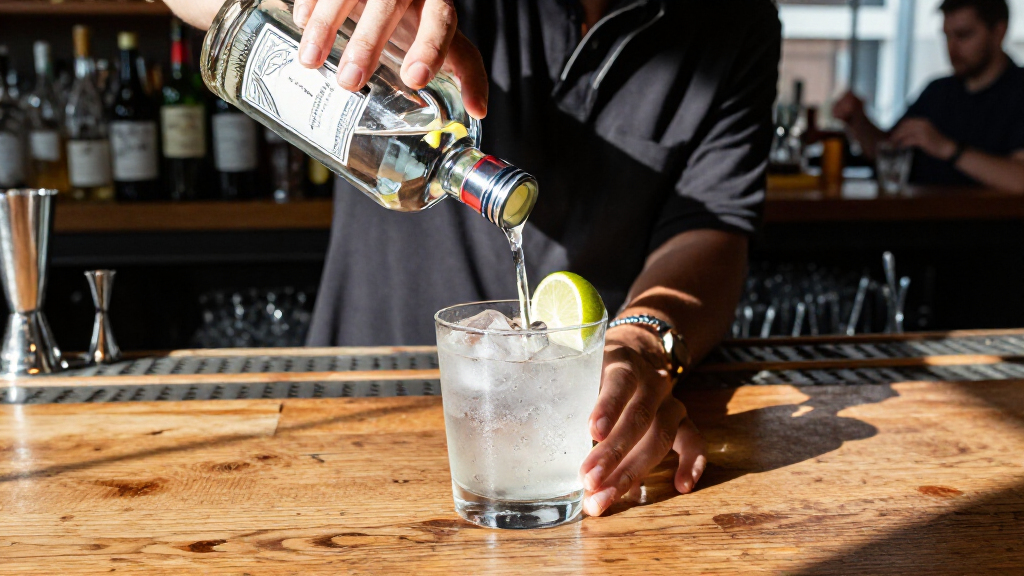
Recommendations also connect the bottle choice to how it may be used. Several bartenders describe their picks as adaptable in drinks such as a Martini, Gimlet, Negroni or gin and tonic. That makes the list useful not only for choosing a first gin, but for matching a bottle to the cocktail a newcomer wants to try. These are individual professional judgments, however, not evidence that every beginner will prefer the same profile.
Products Worth Considering

Cuisinart Chef's Classic 11-Piece Stainless Steel Cookware Set

Le Creuset Alpine Enameled Cast Iron Fondue Set, 2.5 qt., Nuit

De'Longhi Magnifica Duo Fully Automatic Espresso Machine with Milk Frother, Silver
As an affiliate, we earn on qualifying purchases.
From Juniper to Varied Botanicals
VinePair’s report sets the recommendations against a broader change in how gin is presented to drinkers. It says that during the early craft-cocktail revival, bartenders sometimes had to find creative ways to introduce a spirit some consumers viewed as strongly botanical. One anecdote in the report describes a Pegu Club bartender likening gin to juniper-flavored vodka as a way to make it sound more familiar.
The report says the category has since grown to include expressions from around the world that build flavor around gin’s required juniper. That variety can make choosing a bottle harder for newcomers. The bartenders’ list addresses that problem by pairing specific bottles with descriptions of their flavor and cocktail use, rather than setting out a formal ranking.
“For something right down the middle, I would go with Citadelle Gin.”
— Jarett Karlsberg, beverage director at Wythe Hotel
No Single Beginner Choice
The report presents 15 recommendations, not a ranked winner, and the supplied source material does not include the full comments from every bartender. It does not specify a shared tasting method, scoring system or definition of “best,” so the selections should be read as individual recommendations rather than a comparative test.
Prices, current availability and tasting preferences can vary by market and by drinker. The source provides no full price comparison, and its descriptions of flavor and ease of use are attributed opinions. The report also does not establish that every listed gin will suit someone who dislikes particular botanical, floral or juniper notes.
Match a Bottle to a Cocktail
For a first purchase, readers can use the bartenders’ flavor descriptions as a starting point and consider which drink they want to make. A London Dry option such as Citadelle or Beefeater offers a more traditional frame, while recommendations such as Roku or Bayab Orange and Marula highlight other botanical or citrus notes. Clark also advises paying attention to tonic when making a gin and tonic.
The supplied report offers no follow-up tasting results or announcement of a single top choice. Any later comparison would need to account for how each gin performs in the same drink and for different preferences; for now, the published list serves as a set of bartender suggestions rather than a final verdict.
Key Questions
Did the bartenders choose one best gin for beginners?
No single winner is named. VinePair reports 15 individual recommendations spanning several styles, without a ranking or shared score.
Which recommendations are described as London Dry or traditional?
Citadelle is described by Jarett Karlsberg as an approachable London-style gin, and Sarah Clark recommends Beefeater London Dry as a crisp, dry choice. The list also includes Tanqueray.
Which picks emphasize citrus or other botanical flavors?
Zack Atzert says Bayab Orange and Marula gives citrus a larger role than juniper and spice. Martha Davis highlights Roku’s sakura, yuzu and sencha tea botanicals, while the report describes Hendrick’s as offering cucumber and rose notes.
Are the recommendations based on a formal taste test?
The supplied report describes bartender recommendations, but does not provide a formal scoring system or comparative tasting method. The choices and flavor assessments are attributed opinions.
Source: rss