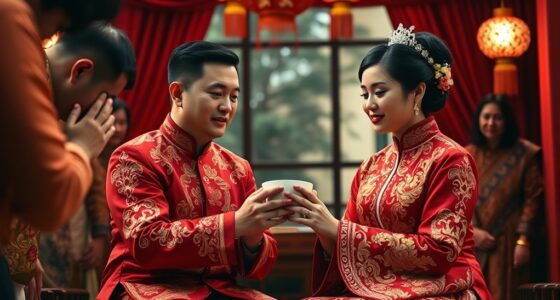
Tea rituals invite you to embrace mindfulness, transforming each step into a sacred act that fosters calmness and clarity. They symbolize harmony, humility, and interconnectedness, connecting your physical experience with spiritual insight. Focus on aesthetic beauty and simple movements to deepen your reflection. These practices help you slow down, appreciate the present, and cultivate gratitude. Exploring this further reveals how tea can serve as a pathway to spiritual growth and philosophical understanding.
Key Takeaways
- Tea rituals serve as mindful practices that promote inner calm, clarity, and spiritual connection through deliberate, present-focused actions.
- The aesthetic elements of teaware symbolize philosophical values like simplicity, humility, and harmony, fostering contemplative reflection.
- Tea practices act as a bridge between physical and spiritual realms, encouraging slowing down and appreciating the moment.
- Rituals embody interconnectedness and reverence for nature, emphasizing humility, gratitude, and universal unity.
- Incorporating mindfulness techniques in tea rituals deepens spiritual awareness and supports holistic harmony of mind, body, and spirit.
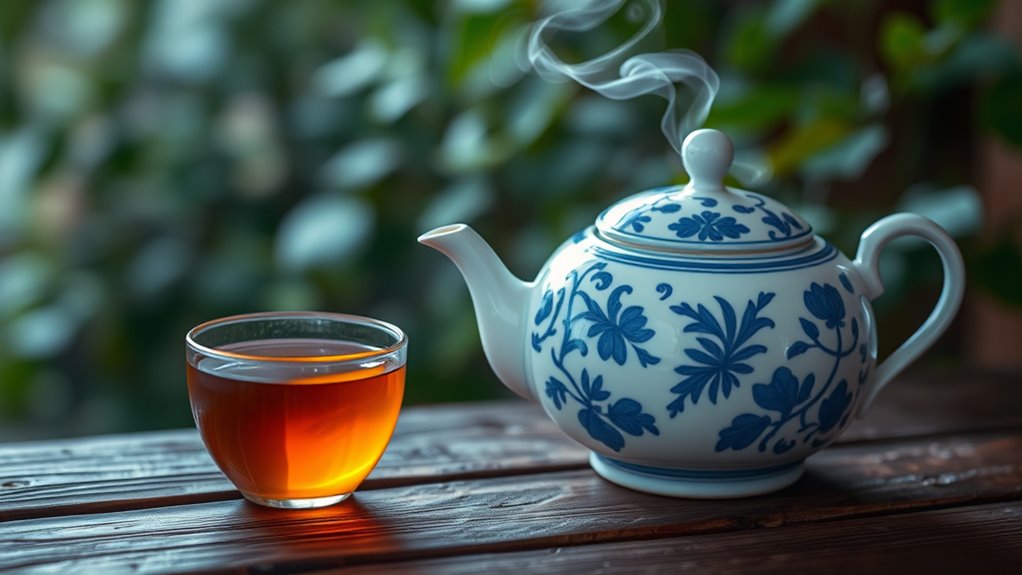
Tea rituals are more than just brewing and drinking; they embody a deep spiritual and philosophical significance that invites mindfulness and reflection. When you engage in these practices, you’re not only preparing a beverage but also creating a space for inner calm and presence. The act of tea brewing becomes a form of mindfulness meditation, where every movement—measuring leaves, boiling water, pouring—becomes an intentional act. As you focus on each step, your mind clears, and you become fully immersed in the moment. This mindful approach transforms a simple routine into a sacred act, fostering a sense of tranquility and clarity that extends beyond the ritual itself.
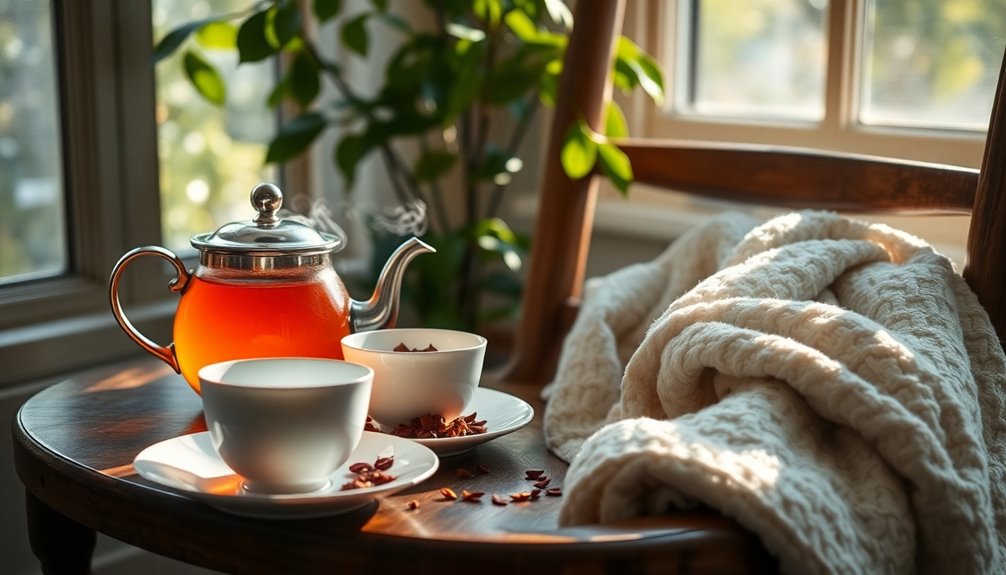
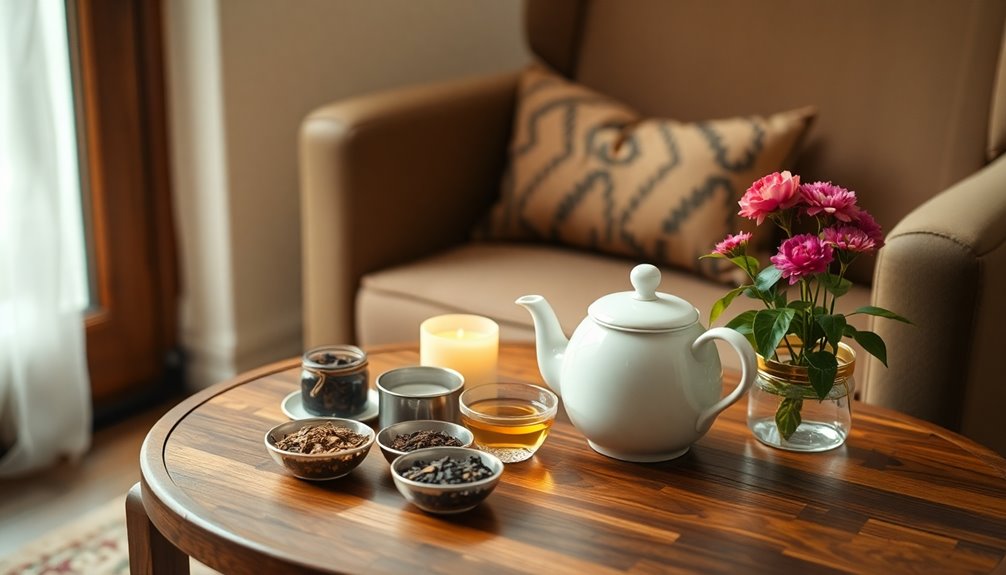
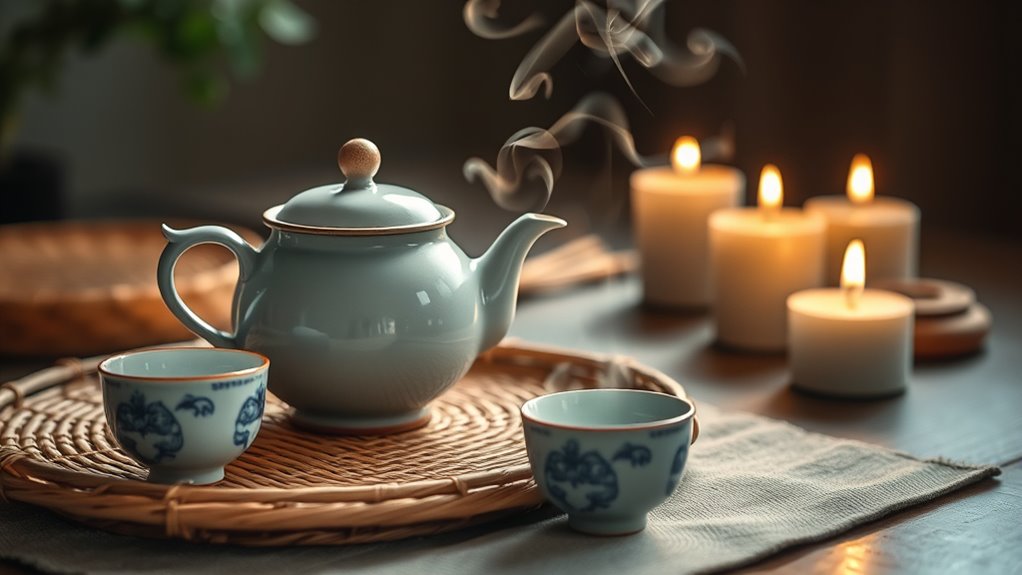
Aesthetic symbolism plays a crucial role in elevating the experience. The choice of teaware, the arrangement of utensils, and even the setting reflect a deeper appreciation for beauty and harmony. These elements aren’t just for decoration; they embody philosophical values such as simplicity, harmony, and respect for nature. For example, a carefully chosen tea cup with subtle brushwork or a rustic clay teapot can evoke feelings of humility and connection to tradition. By paying attention to these details, you’re engaging in a form of visual meditation, where the aesthetic symbolism guides your thoughts inward, encouraging a contemplative mindset. This focus on beauty isn’t superficial—it’s a reminder to find elegance in the ordinary and to honor the ritual’s spiritual essence.
In many cultures, tea rituals serve as a bridge between the physical and spiritual worlds. They remind you to slow down and appreciate the present moment, fostering a sense of mindfulness meditation that can carry into everyday life. As you participate in these practices, you learn to let go of distractions and cultivate a calm awareness. The aesthetic aspects of the ritual aren’t just about creating a pleasing environment; they symbolize the interconnectedness of all things, encouraging humility and gratitude. Additionally, utilizing mindfulness techniques during the ritual enhances your ability to stay present and deepen your spiritual connection. In this way, tea becomes a vessel for philosophical reflection, helping you align your mind, body, and spirit. Every sip, every gesture, becomes a deliberate act of mindfulness, grounding you in the here and now and deepening your understanding of life’s simplicity and beauty.

Artcome 12Pcs Japanese Matcha Tea Set – Bowl, Bamboo Whisk, Holder, Brush and Screen – Handmade Ceremony Kit for Traditional Tea Ceremony
COMPELETE SET: Matcha bowl, matcha whisk, whisk holder, traditional scoop, tea spoon, tea cloth, bamboo holder, scoop holder,…
As an affiliate, we earn on qualifying purchases.
As an affiliate, we earn on qualifying purchases.
Frequently Asked Questions
How Do Tea Rituals Influence Mental Health and Emotional Well-Being?
Tea rituals positively influence your mental health and emotional well-being by encouraging mindfulness meditation, helping you stay present and focused. As you engage in these rituals, you learn emotional regulation techniques that reduce stress and anxiety. The calming process fosters a sense of tranquility, allowing you to pause and reflect. Over time, this practice supports a healthier mind, boosts your resilience, and nurtures a more balanced emotional state.
Can Tea Ceremonies Be Adapted Across Different Cultural Contexts?
Absolutely, tea ceremonies can be wildly adapted across cultures! With cross-cultural adaptation and ritual customization, you can blend traditions seamlessly, creating a powerful, unifying experience. Imagine infusing a Japanese tea ceremony with vibrant African rhythms or adding Western elegance to Chinese rituals—it’s transformative! You hold the power to honor diverse customs while making tea rituals deeply personal and meaningful, breaking barriers and fostering global connection with every sip.
What Is the Historical Origin of Tea’s Spiritual Significance?
You’ll find that tea’s spiritual significance traces back to ancient origins in China, where it was valued not just for refreshment but also for its mystical symbolism. Early Taoists and Buddhists saw tea as a sacred elixir, believing it fostered spiritual clarity and meditation. Over centuries, this deep reverence for tea’s mystical qualities spread across Asia, shaping rituals that emphasize mindfulness, harmony, and inner peace.
How Do Individual Beliefs Shape Personal Tea Rituals?
Your personal belief systems influence how you shape your tea rituals, guiding the choices you make about ingredients, timing, and setting. You customize your ritual to reflect your values and spiritual outlook, making it a meaningful experience. By integrating symbols, gestures, or specific traditions, you create a unique practice that resonates deeply with you, transforming an ordinary act into a mindful, personal expression of your beliefs.
Are There Specific Times of Day Best Suited for Spiritual Tea Practices?
You can practice spiritual tea rituals anytime that suits your rhythm, but many find morning mindfulness ideal for starting the day with clarity and intention. Evening reflections, on the other hand, help you unwind and process your day. Trust your intuition and choose times that foster calm and presence, whether it’s early morning or just before bed. These moments become meaningful when aligned with your personal spiritual practice.
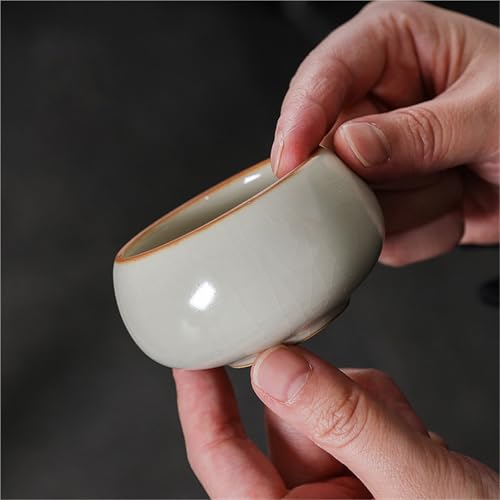
ZSHHZSZHS Zen Meditation Teacup Ru Kiln Ceramic Teacup Home Use Cup Zen Single Cup Teaware
Tranquil Zen Design for Mindful Sipping:Adorned with minimalist Zen-inspired elements—think soft earth tones, subtle brushstroke patterns, or calming…
As an affiliate, we earn on qualifying purchases.
As an affiliate, we earn on qualifying purchases.
Conclusion
As you embrace tea rituals, remember they connect you to centuries of spiritual and philosophical wisdom, fostering mindfulness and inner peace. Notably, studies show that practicing mindful tea ceremonies can reduce stress by up to 30%. This highlights how these simple yet profound traditions encourage you to slow down, reflect, and find harmony within yourself. By engaging in these practices, you deepen your understanding of life’s fleeting moments and cultivate a sense of calm that lasts beyond the cup.

Chinese Yixing Clay Teapot,24 Oz Tea Pots For Loose Tea, Yixing Zisha Clay Teapots Handmade Infuser,Vintage Gift China Ceramic Tea Pot,Heat-Resistant Health Boiled WaterKettle,Off -White
High temperature burning production, safety and health, The black spots are mineral crystals at high temperatures;Made by hand,…
As an affiliate, we earn on qualifying purchases.
As an affiliate, we earn on qualifying purchases.

Tea Infuser,Umbrella Shape Ceramic Tea Strainer, Tea Accessories Blue and White Porcelain,Loose Leaf Filter with Rotating Design for Coffee Brewing
Elegant Umbrella-Shaped Chinese Design: Our blue and white porcelain tea infuser features hand-painted traditional Chinese patterns, combining an…
As an affiliate, we earn on qualifying purchases.
As an affiliate, we earn on qualifying purchases.