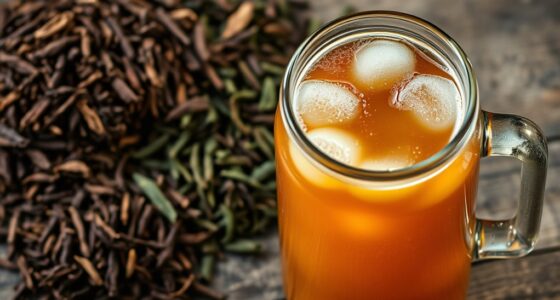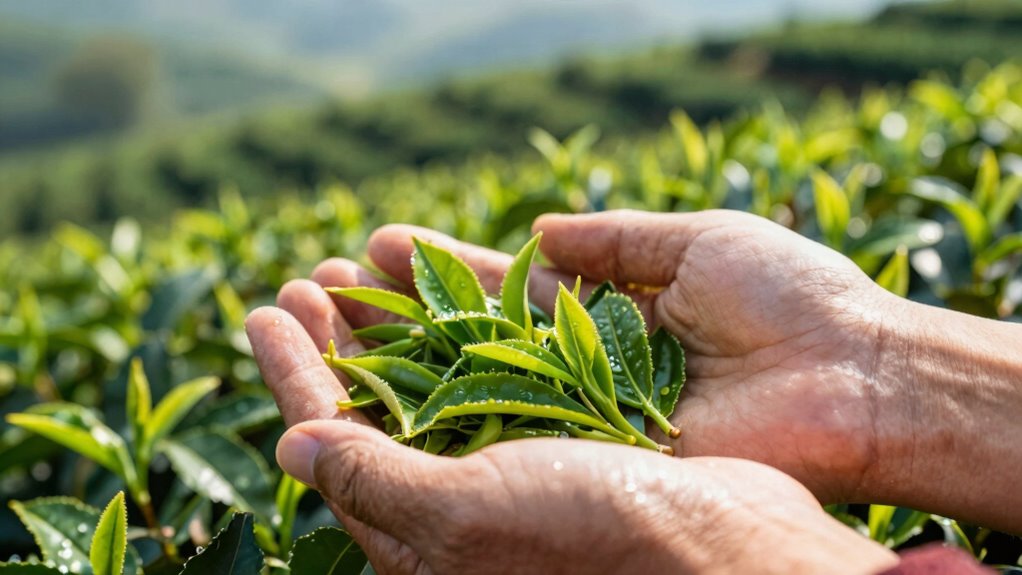

Most tea lovers miss how much skill and care go into every harvest. Skilled pickers carefully choose the best buds and leaves, adjusting timing for different flavor profiles. Climate, environment, and sustainable practices all influence quality and taste yet often go unnoticed. Fermentation and craftsmanship also play essential roles in shaping each cup’s unique character. Recognizing these hidden elements deepens your appreciation for tea’s artistry—if you keep exploring, you’ll discover even more fascinating details behind your favorite brew.

Get coffee and tea gear delivered free — and shop member deals
- Fast, free delivery on millions of items
- Access to Prime Big Deal Days deals on October 6–7
- Prime Video, Amazon Music and more included
Key Takeaways
- The skill and precision of harvesters directly impact the tea’s flavor and quality, often overlooked by consumers.
- Climate and environmental conditions play a crucial role in shaping the flavor profiles of different teas.
- Fermentation processes require careful control, significantly influencing aroma and taste but rarely appreciated by drinkers.
- Sustainable practices and biodiversity are vital for maintaining ecosystem health, which in turn affects tea quality.
- The craftsmanship and traditional techniques behind each step are often invisible but essential for a premium tea experience.
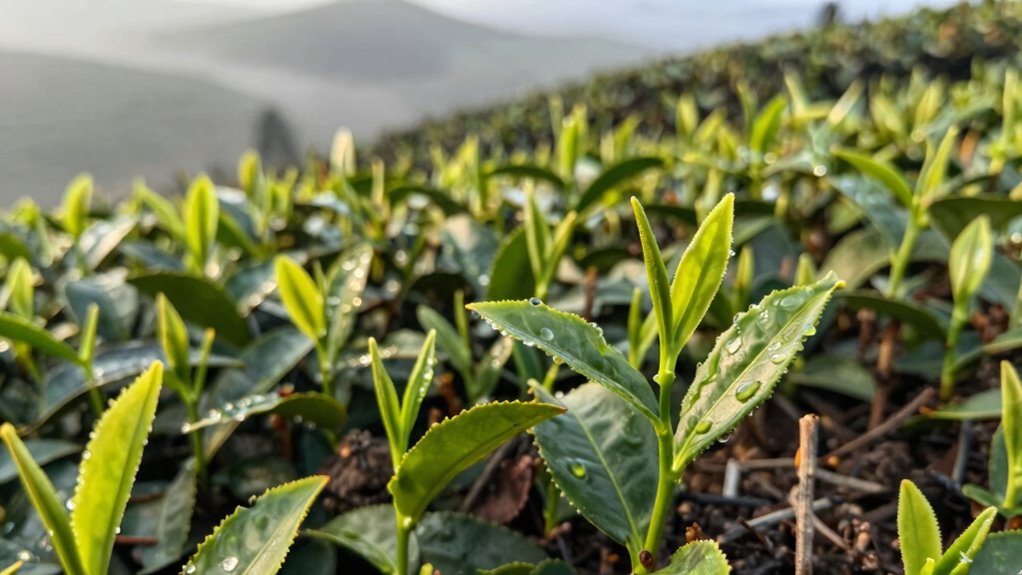
Tea production begins with careful harvesting of the tea leaves, a process that directly impacts the flavor and quality of the final product. When you think about tea, you might focus on the brewing or the aroma, but what most tea lovers miss are the intricate steps that happen before the leaves even reach your cup. One of these essential steps is the harvesting techniques used by tea farmers. These methods determine which leaves are plucked and how often, affecting the tea’s character. Skilled pickers often select only the top buds and a few of the newest leaves, ensuring the highest quality leaves are used. This selective harvesting requires precision and experience, which many casual tea drinkers overlook. The timing of harvests also plays a crucial role; some teas are picked early in the season for delicate flavors, while others are harvested later for richer, more robust profiles. Additionally, harvesting techniques are carefully chosen based on the type of tea being produced, further influencing the final flavor. Properly timed and executed harvesting methods help preserve the integrity of the tea’s flavor profile, making a significant difference in the final product. The climate and environment also influence how and when the tea is harvested, emphasizing the importance of sustainable practices in cultivation. Sustainable cultivation methods ensure that the delicate balance of ecosystems is maintained, which in turn benefits the quality of the tea leaves. Once harvested, the leaves undergo tea leaf fermentation, a step many people don’t fully appreciate. Fermentation isn’t just about aging; it’s an active process that shapes the tea’s final flavor profile. During fermentation, enzymes in the leaves react with oxygen, producing complex compounds that develop the tea’s aroma and taste. For example, black teas are fully fermented, giving them their characteristic boldness and depth, while green teas avoid fermentation altogether, preserving their grassy freshness. The fermentation process is carefully monitored—temperature, humidity, and timing all influence the outcome. Some teas undergo a partial fermentation stage, creating a spectrum of flavors that can be surprisingly subtle or intensely aromatic. The skill lies in controlling this process precisely, which is often invisible to the consumer but essential to the tea’s quality.
What many tea lovers don’t realize is how much craftsmanship goes into each step of production. The choice of harvesting techniques directly impacts the delicate balance of fermentation and, ultimately, the flavor you enjoy. An understanding of biodiversity and sustainable practices can also influence how tea is cultivated, ensuring the health of ecosystems and the quality of the leaves. By understanding these hidden details, you gain a deeper appreciation for the complexities behind your favorite brew. It’s not just about steeping leaves; it’s about respecting centuries of tradition, precision, and artistry that define every cup. So next time you savor your tea, remember the meticulous work that went into harvesting and fermenting those leaves—an unseen craft that elevates your drinking experience far beyond what most casual enthusiasts recognize.
As an affiliate, we earn on qualifying purchases.
Frequently Asked Questions
How Does Altitude Affect Tea Flavor?
Altitude influence profoundly impacts tea flavor, causing notable flavor variation. When you explore high-altitude teas, you’ll notice they often have a more delicate, nuanced taste with brighter, floral notes. This is because cooler temperatures slow leaf growth, enriching their complexity. Conversely, lower altitudes produce teas with bolder, earthier flavors. So, as you taste different teas, consider altitude’s role—it can transform your experience, making each sip uniquely memorable.
What Are the Environmental Impacts of Tea Farming?
You might not realize that tea farming impacts the environment through soil erosion and water pollution. As you savor each sip, consider how the lush plantations can strip soil of nutrients, leading to erosion. Additionally, pesticides and fertilizers wash into nearby waters, harming ecosystems. While tea’s calming effect is undeniable, its production can disturb local habitats, reminding you to support sustainable practices that protect the environment behind your favorite brew.
How Do Harvest Methods Influence Tea Quality?
Your choice of harvest timing and plucking techniques directly impacts tea quality. Picking leaves at the ideal time guarantees maximum flavor and aroma, while careful plucking methods, like selective hand-picking, preserve the plant’s health and improve leaf quality. Consistent harvest practices lead to a balanced flavor profile, highlighting subtle notes. By paying attention to these details, you can enjoy a richer, more nuanced tea experience with every cup.
What Role Do Pests Play in Tea Cultivation?
Pests can be a real threat to your tea crops, nibbling away at leaves and risking quality. You play a vital role in pest control by encouraging natural predators like ladybugs and birds that keep pests in check. This eco-friendly approach helps protect your tea plants without harmful chemicals, preserving the delicate aroma and flavor. Embracing natural predators guarantees healthy plants and a superior tea experience for your consumers.
How Is Organic Tea Production Different?
Organic tea production differs because it focuses on sustainable practices, earning organic certification. You won’t find synthetic pesticides or fertilizers used, as farmers rely on natural alternatives to maintain crop health. This approach preserves soil quality, enhances flavor, and reduces environmental impact. When you choose organic tea, you support eco-friendly methods, ensuring your tea is free from harmful chemicals and promotes healthier farming practices.
Conclusion
Next time you enjoy a cup of tea, remember the intricate process behind each sip. Most tea lovers overlook the careful harvesting and production steps that guarantee quality. Did you know that only about 20% of the tea plant’s leaves are used for premium teas? Recognizing the effort involved deepens your appreciation. So, savor each sip, knowing the dedication and craftsmanship that bring that perfect flavor to your cup.
Fall Picks
fall essentials
As an affiliate, we earn on qualifying purchases.