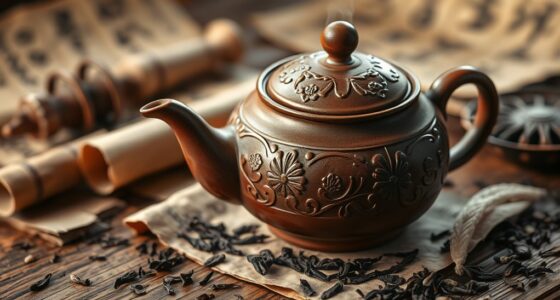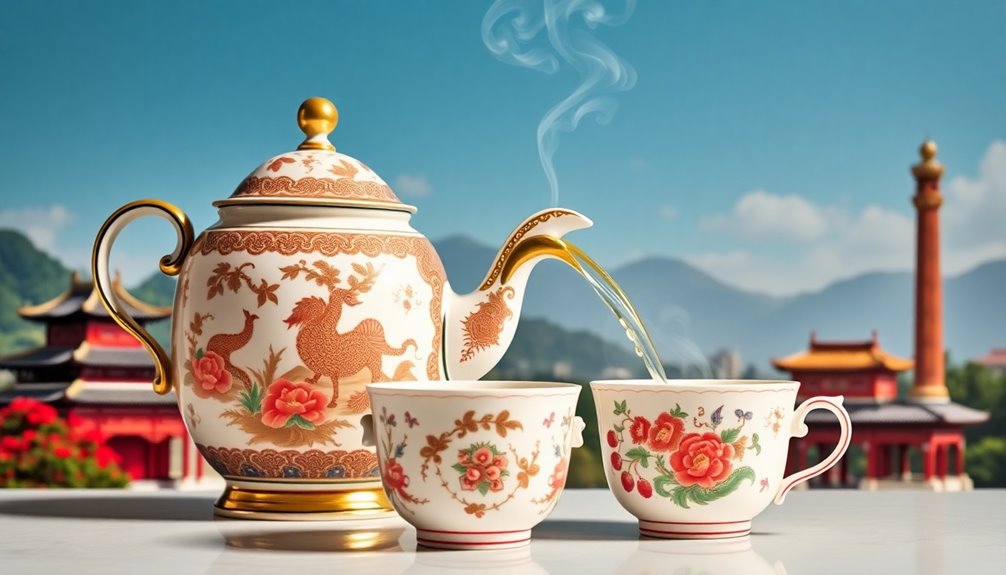

The history of tea shows how a simple plant shaped global trade, culture, and societies over centuries. You’ll see how tea influenced economies, sparked colonial conflicts, and created lasting traditions. Its role in connecting distant regions made it a powerful symbol of cultural identity and resilience. By exploring its past, you gain insight into world history and human perseverance. Keep exploring to uncover how this humble beverage left an enduring mark on the world’s story.

Get coffee and tea gear delivered free with Prime
- Fast, free delivery on millions of items
- Prime Video, Amazon Music and more included
- Member-only deals all year
Key Takeaways
- Tea has shaped global trade routes and economic development across continents.
- Its cultivation and trade influenced political power, colonialism, and international relations.
- Tea rituals reflect cultural values, fostering social bonding and cultural identity.
- The history of tea reveals its role in societal traditions and cultural resilience.
- Appreciating tea’s legacy enhances understanding of its profound impact on world history.
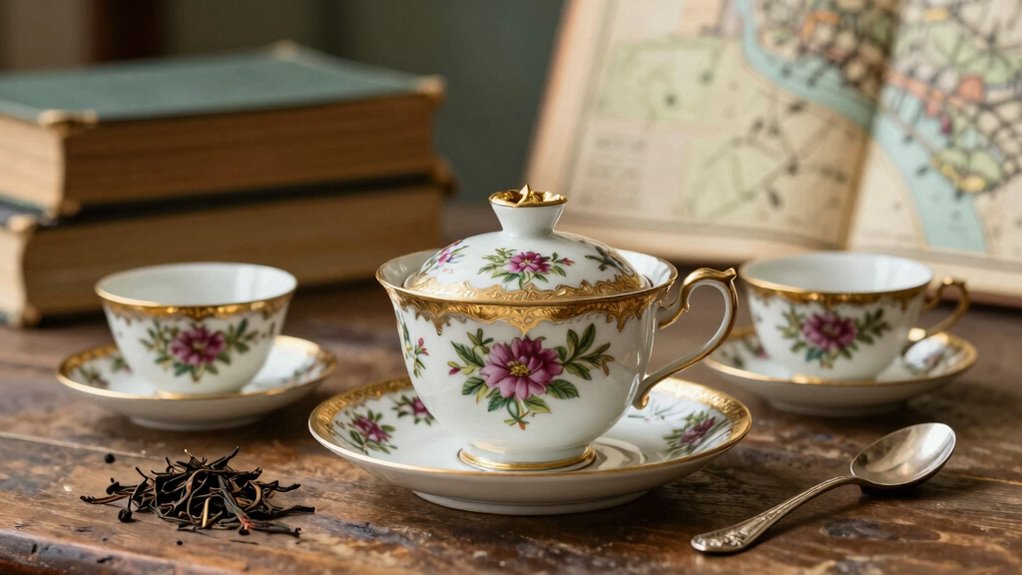
Tea has played a pivotal role in shaping cultures, economies, and histories around the world. As you explore its journey, you’ll see how tea cultivation transformed regions and how cultural rituals surrounding tea became integral to social life. These rituals aren’t just about drinking a beverage—they reflect centuries of tradition, identity, and values that have persisted across generations. When you think about tea, don’t forget that it’s more than a drink; it’s a symbol of community, hospitality, and cultural pride. From the lush tea plantations of Asia to the tea houses of Europe, each setting reveals a story steeped in history and significance.
Tea’s rich history reflects culture, community, and tradition across the world’s diverse settings.
The history of tea’s influence begins with its cultivation. You might imagine the painstaking effort that goes into growing tea leaves—planting, harvesting, and processing—each step shaping local economies and livelihoods. Tea cultivation catalyzed trade routes that connected distant parts of the world, fostering economic growth and cultural exchanges long before modern globalization. Countries like China, India, and Sri Lanka became renowned for their tea, turning it into a valuable commodity that influenced international markets. As you consider this, recognize how the spread of tea cultivation impacted political relationships, colonialism, and even wars, as nations vied for control over prime tea-growing regions. Global trade networks played a crucial role in spreading tea’s popularity and economic importance across continents.
Beyond the economic impact, the cultural rituals associated with tea reveal fascinating insights into societal values. For centuries, communities have developed specific customs around tea-drinking that serve as social glue. In Japan, the tea ceremony exemplifies meticulous artistry, emphasizing harmony, respect, purity, and tranquility—values deeply embedded in Japanese culture. In Britain, afternoon tea became a symbol of sophistication and social bonding, a ritual that marked social status and leisure. These traditions aren’t merely about drinking tea; they embody a way to foster connection, show hospitality, and preserve heritage. Recognizing the cultural significance of tea reveals how deeply intertwined tea is with societal identity and tradition. Additionally, the rituals surrounding tea often reflect the broader cultural values and philosophies of each society, making tea a mirror of cultural identity. The ceremonial aspect underscores how tea has been woven into daily life and special occasions, reinforcing cultural identity and continuity. Furthermore, the preservation of these rituals demonstrates the importance of cultural resilience in maintaining tradition through changing times.
Understanding the historical significance of tea helps you appreciate its enduring legacy. It’s a lens through which you can see how a simple plant influenced global development, shaped social customs, and became a vehicle for cultural expression. As you delve into tea’s history, you realize that each sip carries centuries of tradition, economic shifts, and social rituals. Recognizing this deeper context enriches your appreciation of tea—not just as a beverage but as a powerful symbol of human history and cultural resilience.
As an affiliate, we earn on qualifying purchases.
Frequently Asked Questions
How Did Tea Influence Global Trade Routes Historically?
Tea influenced global trade routes by prompting nations to establish and control tea cultivation areas, especially in Asia. You see, as demand grew, countries like Britain imposed trade tariffs to regulate imports, which affected shipping routes and trade policies. This shift led to new maritime routes and colonial expansions, transforming global commerce. So, tea’s popularity directly shaped economic strategies and geopolitical relationships throughout history.
What Role Did Tea Play in Cultural Exchanges Across Civilizations?
Tea played a essential role in cultural exchanges across civilizations by serving as a symbol of hospitality and tradition. You see, tea ceremonies embody cultural symbolism, reflecting values and social bonds unique to each society. When you participate in these ceremonies, you’re engaging in a centuries-old practice that fosters mutual understanding and respect, bridging diverse cultures and enriching global interactions through shared rituals and customs.
How Has Tea Impacted Political Diplomacy Throughout History?
You might think tea’s just a soothing drink, but it’s also a master of diplomatic gestures. Throughout history, tea symbolism has softened tense negotiations, turning hostile stares into polite sips. Leaders used tea to bridge divides, making diplomacy feel like a cozy chat over a steaming cup. So next time you sip tea, remember—this humble brew has quietly shaped political alliances and peace treaties, one cup at a time.
Were There Any Significant Historical Events Centered Around Tea?
Yes, several significant events centered around tea shaped history. For example, the Boston Tea Party was a pivotal protest against British taxation, fueling the American Revolution. Tea also played a crucial role in social rituals, fostering diplomacy and community. In literature, tea symbolizes comfort and tradition, highlighting its cultural influence. These moments reveal how tea’s role extends beyond beverages, impacting politics, social customs, and literary symbolism.
How Did Tea Cultivation Affect Local Economies Historically?
Once you see the big picture, you’ll realize tea cultivation was a game-changer for local economies. Tea farming fueled economic growth by creating jobs and boosting trade in regions like India, China, and Sri Lanka. It helped communities thrive, transforming small villages into bustling hubs. As the industry expanded, it also spurred infrastructure development, proving that a simple crop can have profound economic ripple effects, truly shaping history in the process.
Conclusion
As you sip your tea, imagine centuries of trade routes, whispered secrets in bustling markets, and quiet moments of reflection that shaped civilizations. Each cup holds echoes of history—battles fought, cultures exchanged, and traditions born. By appreciating this rich past, you connect with a world beyond the present, feeling the warm embrace of history in every delicate sip. Tea’s significance isn’t just in its flavor, but in the stories it’s carried through time.
Fall Picks
fall essentials
As an affiliate, we earn on qualifying purchases.