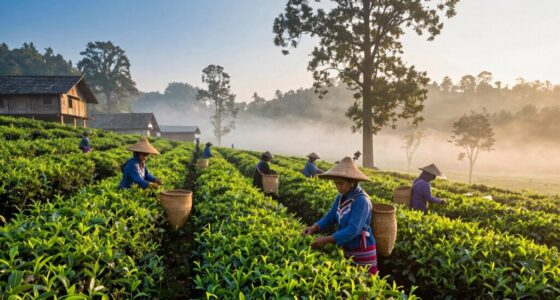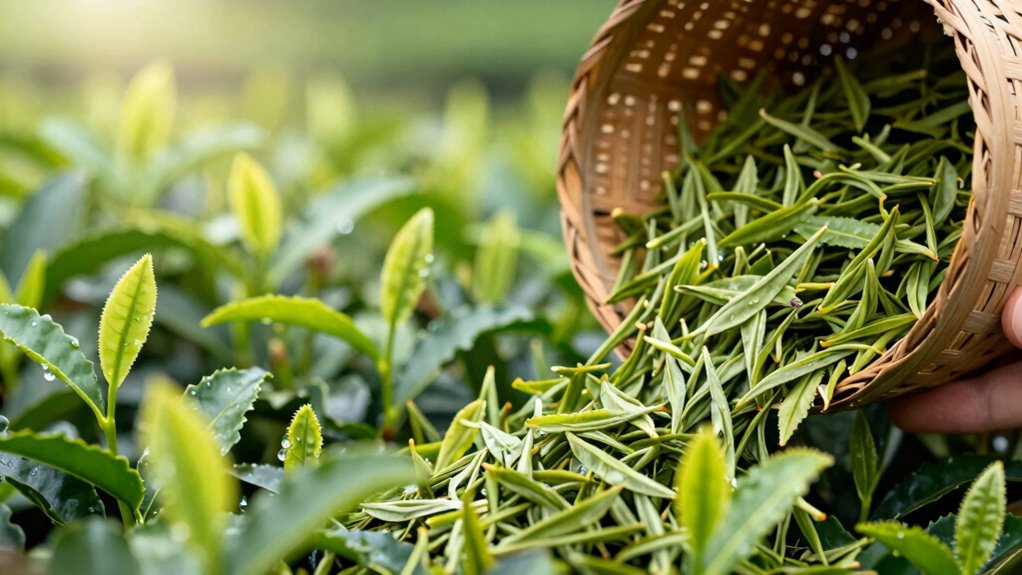

Most tea lovers miss that certifications like Fair Trade and Organic only cover certain aspects of sustainability, such as fair wages or pesticide use. They don’t guarantee transparent supply chains, community development, or soil health. Ethically sourced tea involves more, including environmental and social practices beyond labels. By understanding these nuances, you can make more responsible choices that truly support sustainable and ethical tea farming. Keep exploring to discover what else your tea choices can do for the planet and communities.

Get coffee and tea gear delivered free with Prime
- Fast, free delivery on millions of items
- Prime Video, Amazon Music and more included
- Member-only deals all year
Key Takeaways
- Certifications like Fair Trade and Organic address specific issues but don’t cover all aspects of sustainability, such as community impact or biodiversity.
- Ethical sourcing involves transparent supply chains and community empowerment beyond what labels typically reveal.
- Soil health and biodiversity preservation are crucial for truly sustainable tea farming but are often overlooked by consumers.
- “Ethically sourced” labels may lack official certification, requiring consumers to research brands’ actual practices.
- Supporting transparent and responsible brands encourages broader industry improvements beyond just certification standards.
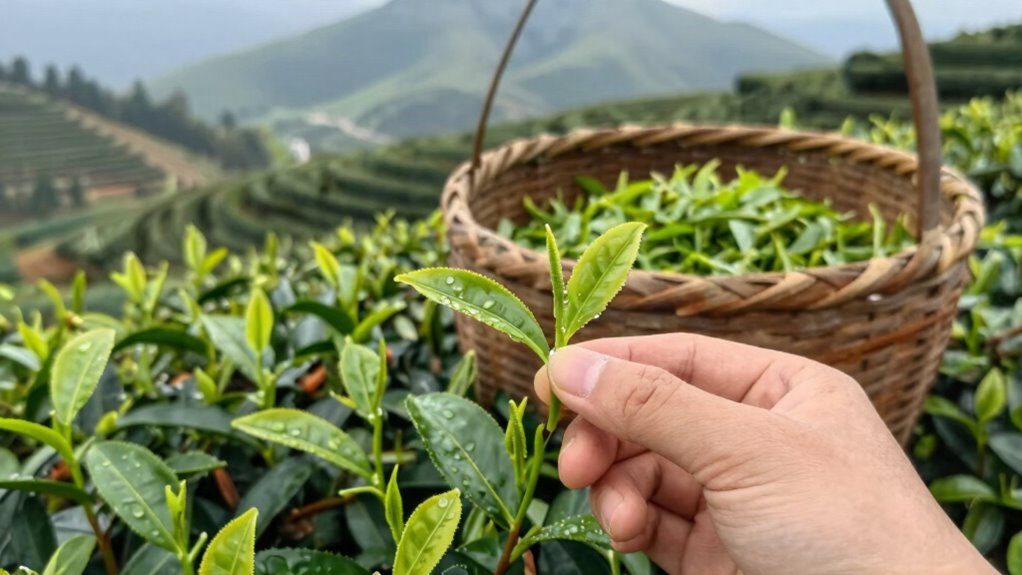
As tea lovers become more conscious of their choices, understanding sustainable and ethical sourcing becomes essential. You might think that simply choosing organic or fair trade labels guarantees a truly responsible product, but there’s often more beneath the surface. Many consumers overlook the complexities behind what makes tea genuinely sustainable or ethically sourced. For example, fair trade certification isn’t just a badge; it signifies a commitment to fair wages, safe working conditions, and community development. When you see the fair trade label, you’re supporting farmers who receive a fair price for their labor, helping them invest in their communities and improve their livelihoods. However, fair trade doesn’t automatically mean the tea is organic, so it’s crucial to look for additional certifications.
Organic certification plays a vital role in sustainable sourcing because it ensures the tea is grown without synthetic pesticides, fertilizers, or genetically modified organisms. This not only benefits the environment by reducing chemical runoff and soil degradation but also protects farm workers from potentially harmful exposure. Yet, many consumers assume that organic guarantees fair treatment and ecological responsibility across the entire supply chain. In reality, a product might be organic but still come from plantations with poor labor practices or environmental management. Conversely, fair trade tea might be produced under fair labor conditions but isn’t necessarily organic if synthetic inputs are used. The key is understanding that both certifications address different aspects of sustainability—social and environmental—and the most responsible choices often combine both.
What many tea lovers miss is that certifications like fair trade and organic are just parts of a larger picture. True sustainability involves transparent supply chains, community empowerment, biodiversity preservation, and soil health. When you’re shopping, it’s worth digging a little deeper than labels alone. Look for brands that disclose their sourcing practices, support local communities, and prioritize ecological balance. Sometimes, a tea labeled “ethically sourced” or “sustainably farmed” might not have official certifications but still follow practices that align with your values. Being informed helps you make choices that genuinely support ethical practices, rather than just relying on surface-level labels. Additionally, understanding the full supply chain can reveal how deeply committed a brand is to truly sustainable practices. Recognizing the importance of biodiversity preservation is crucial for maintaining resilient ecosystems and ensuring long-term sustainability in tea farming. Moreover, considering soil health as part of your decision-making can lead to more environmentally responsible choices.
Ultimately, understanding the nuances behind fair trade and organic certification empowers you to select teas that align more closely with your values. It’s about recognizing that responsible sourcing involves multiple layers—fair wages, environmentally friendly farming, community development—and not just a single label. When you pay attention to these details, your tea-drinking experience becomes more meaningful, knowing that your choice supports a healthier planet and fairer treatment for those who grow your favorite brew. Moreover, supporting brands committed to transparent supply chains encourages industry-wide improvements in ethical standards. Being aware of these complexities can also influence your purchasing decisions toward companies that prioritize biodiversity and soil health, ensuring a more sustainable future for tea cultivation.
organic ethically sourced loose leaf tea
As an affiliate, we earn on qualifying purchases.
As an affiliate, we earn on qualifying purchases.
Frequently Asked Questions
How Can Consumers Verify a Tea Company’s Sustainability Claims?
You can verify a tea company’s sustainability claims by checking their packaging for certifications like USDA Organic or Fair Trade, which confirm organic practices and fair labor standards. Look for transparency in their sourcing information, such as detailed farm practices or supply chain details. Research their website or contact customer service to ask about their commitment to sustainable and ethical practices, ensuring they genuinely prioritize environmental and social responsibility.
What Certifications Ensure a Tea Is Ethically Sourced?
You might be surprised to learn that organic certification and traceability systems are your best clues to ethical sourcing. Organic certification guarantees the tea’s grown without harmful chemicals, supporting eco-friendly practices. Traceability systems, on the other hand, let you follow the tea’s journey from farm to cup, guaranteeing transparency. Keep an eye out for these labels—these certifications aren’t just symbols, they’re your assurance that your tea is ethically sourced.
Are Small Tea Farms More Sustainable Than Large Plantations?
Small tea farms are often more sustainable than large plantations because they usually promote crop diversity, which benefits the soil and local ecosystems. You’ll find that small farms tend to use fewer chemicals and focus on traditional, eco-friendly practices. Their smaller scale allows for better resource management and stronger community ties. Overall, choosing tea from small farms supports environmental health and social sustainability, making your tea experience more responsible and rewarding.
How Does Fair Trade Impact Tea Workers’ Living Standards?
Fair trade acts like a sturdy bridge, lifting tea workers toward better living standards. It guarantees they receive fair wages, which fill their pockets with dignity and security. By championing worker rights, fair trade transforms plantations from oppressive fields into empowering communities. When you choose ethically sourced tea, you help secure fair wages and uphold worker rights, turning your sip into a small act of global kindness that resonates beyond the cup.
What Are the Environmental Impacts of Conventional Tea Farming?
Conventional tea farming often causes soil degradation, stripping nutrients and reducing land fertility over time. You might also notice water pollution from the heavy use of pesticides and fertilizers, which taint local water sources and harm aquatic life. These practices threaten ecosystems and make the environment less resilient. Opting for sustainable and ethical tea sources helps reduce these impacts, protecting the soil and water quality for future generations.
Conclusion
So, next time you sip your tea, remember it’s more than just flavor—it’s about the story behind each leaf. When you choose sustainably and ethically sourced tea, you’re not only enjoying a better brew but also supporting communities and protecting the environment. It’s a coincidence how your small choice can make a big difference. So, savor every sip with purpose, knowing that your awareness helps create a world where good tea and good ethics go hand in hand.
Halloween Picks
halloween
As an affiliate, we earn on qualifying purchases.