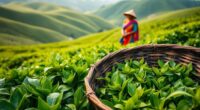
Many believe South American tea is similar to Asian teas, but it’s actually quite different. The region produces herbal infusions like yerba mate, not just true teas from Camellia sinensis. Environmental conditions create unique flavors, and cultivation methods vary widely. Some areas grow authentic teas, while others focus on herbal drinks. If you want to understand the real diversity behind South American tea, there’s more to uncover beyond common myths.
Key Takeaways
- South American tea often refers to herbal infusions like yerba mate, not traditional Camellia sinensis teas.
- Cultivation methods and environmental conditions differ significantly from Asian tea production.
- Some South American regions cultivate true tea leaves, challenging the misconception that all are herbal infusions.
- The social and preparation rituals of South American teas are distinct from Asian tea traditions.
- The region’s diverse climates contribute to unique flavor profiles, showcasing its potential in high-quality tea production.

South American tea often sparks curiosity and misconceptions, leading many to believe it’s similar to traditional teas from other regions. While countries like Argentina, Peru, and Brazil produce beverages often labeled as “tea,” their cultivation and preparation methods can be quite different from what you might expect. Unlike Asian tea cultivation, where tea bushes are carefully cultivated for leaves used in traditional brewing, South American tea plants often grow under different conditions and are sometimes processed into herbal infusions rather than true teas. This distinction is essential because the term “tea” in South America can refer to a variety of plants, not just Camellia sinensis—the plant used for black, green, or white teas.
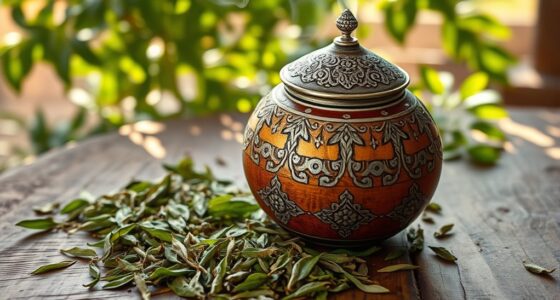
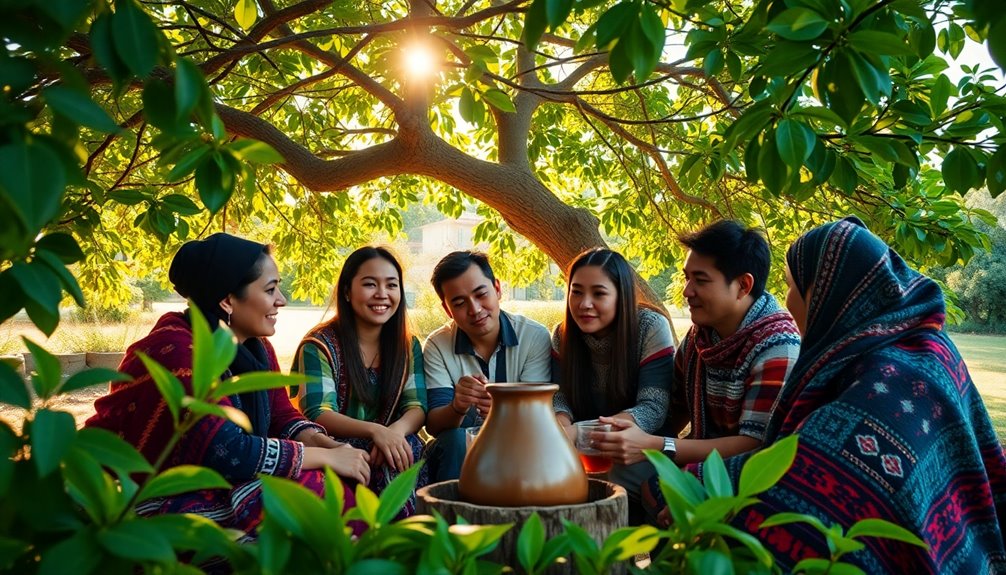
When it comes to traditional brewing, many assume that South American teas follow the same steeping routines as Asian or European teas. However, the process can vary markedly. Some beverages are prepared as herbal infusions, where dried leaves, roots, or herbs are steeped in hot water, emphasizing medicinal or cultural significance rather than the traditional tea experience. For example, yerba mate, a popular South American beverage, involves steeping dried leaves in a gourd with a metal straw, creating a social ritual that differs from typical tea brewing. This method enhances the flavor and effects of the plant, but it’s not the same as the traditional brewing of true tea leaves.
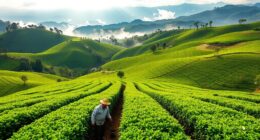
Furthermore, the cultivation of tea in South America often faces different environmental conditions. While tea cultivation in Asia benefits from specific climates and altitude ranges that optimize leaf quality, South American plants are sometimes grown in more diverse environments. These conditions influence the flavor profile and quality of the final product, challenging the notion that South American teas are inferior or simply imitation versions of traditional teas. Instead, they offer unique flavors rooted in local soil, climate, and processing techniques.
Many people also believe that South American tea products are mostly herbal teas, but the reality is more nuanced. While herbal infusions are common, there are also authentic tea leaves grown in certain regions, and some producers are working to improve cultivation practices to produce high-quality true teas. The diversity of cultivation environments contributes to the flavor profiles and quality of the region’s tea industry, highlighting its potential for growth and innovation.
Top picks for "myth fact about"
Open Amazon search results for this keyword.
As an affiliate, we earn on qualifying purchases.
Frequently Asked Questions
Are South American Teas Beneficial for Weight Loss?
Yes, South American teas can aid weight loss by boosting your metabolism and suppressing your appetite. When you drink these teas regularly, they help increase calorie burning and reduce hunger cravings, making it easier for you to stick to your diet. Keep in mind, though, that they work best alongside a balanced diet and exercise. Incorporate them into your routine for better results and enhanced weight management.
Can South American Tea Cure Common Illnesses?
South American teas can’t cure common illnesses, but their herbal properties may help soothe symptoms. While some medicinal claims suggest they boost immunity or fight inflammation, these teas shouldn’t replace medical treatment. You can enjoy them as complementary remedies, but always consult a healthcare professional for proper diagnosis and care. Remember, herbal properties offer support, not cures, so use them responsibly and stay informed about their actual benefits.
Is South American Tea Suitable for Children?
You should be cautious with South American tea for children. For example, a parent gave their 4-year-old chamomile tea, thinking it would soothe a cold, but the child had an allergic reaction. When considering children’s health, it’s crucial to account for age considerations and consult a healthcare professional before offering herbal teas. Some ingredients may not be suitable for young kids, and dosage or safety can vary with age.
How Does South American Tea Compare to Traditional Black or Green Teas?
South American tea offers a unique flavor profile compared to traditional black or green teas, often featuring earthy, fruity, or herbal notes. Its harvest methods can vary, including manual plucking and sun-drying, which influence taste and quality. While black and green teas undergo specific oxidation processes, South American teas may be less processed, resulting in distinct flavors. You’ll notice a richer, sometimes more herbal taste that sets it apart from more familiar varieties.
Are There Any Environmental Concerns Related to South American Tea Farming?
You should know that South American tea farming raises some environmental concerns, like deforestation concerns and pesticide use. As farmers clear land for plantations, forests get lost, impacting local ecosystems. Additionally, pesticide use may harm wildlife and contaminate water sources. If you’re concerned about sustainability, look for brands that prioritize eco-friendly practices, such as organic farming and preservation efforts, to help reduce these environmental impacts.
Conclusion
As you sip your South American tea, imagine the lush green mountains and vibrant cultures blending in every cup. The myths fade like morning mist, revealing the rich history and healing properties within. Your curiosity opens a window to a world where tradition and nature intertwine, reminding you that every sip is a journey. Embrace the stories behind your tea, and let them nourish both your body and spirit, connecting you to this vibrant land.