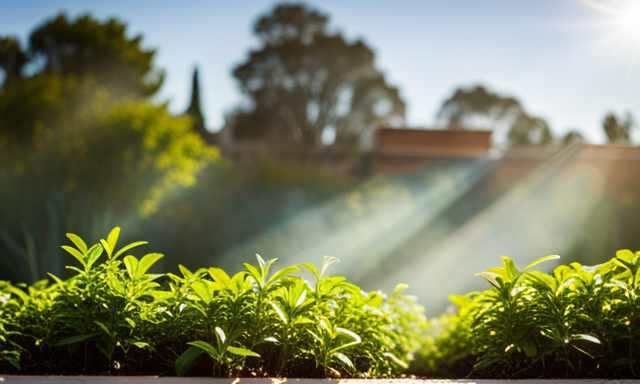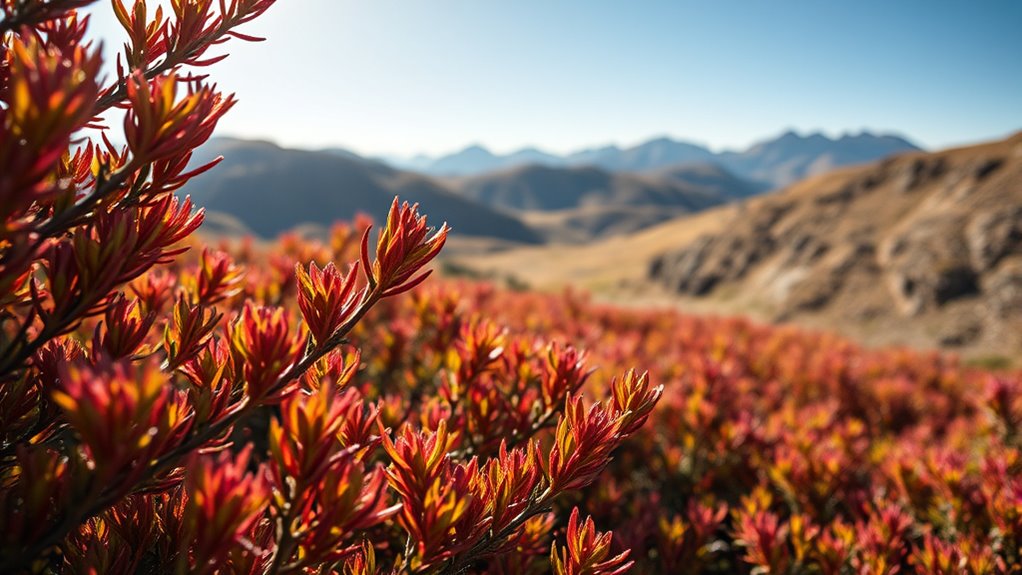

You can taste unique flavors of rooibos tea based on regional terroirs across South Africa. The climate, soil, and harvesting practices of areas like Cederberg and Clanwilliam influence the tea’s aroma, taste, and color. For example, high-altitude regions yield robust, earthy notes, while coastal areas give a sweeter, fruitier profile. Exploring these regional varieties reveals a rich diversity in flavor, and understanding their origins will help you appreciate why each cup offers something special—keep going to discover more.

Get coffee and tea gear delivered free with Prime
- Fast, free delivery on millions of items
- Prime Video, Amazon Music and more included
- Member-only deals all year
Key Takeaways
- Regional climate and soil conditions, such as high-altitude or sandy soils, significantly influence rooibos flavor and aroma.
- The Cederberg region produces robust, earthy rooibos, while Clanwilliam offers sweeter, fruitier varieties.
- Harvesting practices, including timing and duration, vary regionally to develop distinct flavor profiles.
- Processing methods like sun-drying or oven-drying enhance regional differences in aroma and taste.
- Understanding terroir helps consumers select rooibos teas aligned with their flavor preferences.
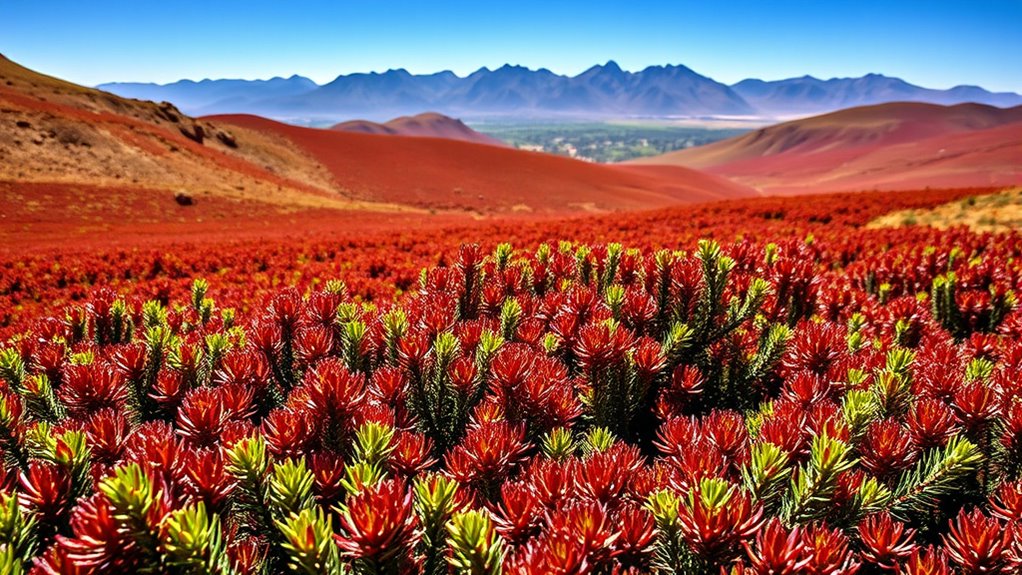
Rooibos tea, a beloved South African herbal infusion, varies considerably depending on the region where it’s grown. As you explore different varieties, you’ll notice how local cultivation practices influence not only the appearance of the tea but also its flavor profiles. In regions where the climate is hot and dry, farmers often adapt their cultivation practices to optimize the growth of the Aspalathus linearis plant, which produces rooibos. These practices include careful soil management, controlled irrigation, and harvest timing, all of which impact the final product’s taste. For example, in areas with high sunlight exposure and well-drained sandy soils, the tea tends to develop a richer, more intense flavor, often with a slightly sweet and nutty note. Conversely, in regions with more moderate conditions, the flavor profiles may lean toward a milder, smoother taste with subtle floral undertones.
You’ll find that the specific cultivation practices vary from farm to farm, even within the same region, creating a spectrum of flavor profiles that can cater to different preferences. Some producers harvest the leaves early in the season, resulting in a lighter, more delicate brew, while others wait longer, allowing the leaves to develop deeper, more complex flavors. The processing methods also differ, with some farms sun-drying their leaves to preserve a natural sweetness, and others employing more controlled oven-drying techniques to enhance certain flavor notes. These differences in cultivation practices and processing contribute profoundly to the unique character of each regional variety.
When you taste different rooibos teas, you can often tell where they come from based on these flavor nuances. For instance, teas from the Cederberg region, with its rugged mountains and high-altitude conditions, tend to have a more robust and earthy profile. Meanwhile, teas from the Clanwilliam area might present a slightly sweeter, fruitier flavor, thanks to the specific soil composition and climate. Additionally, understanding how regional factors influence cultivation practices can deepen your appreciation for the diversity of flavors within rooibos tea. By understanding how regional factors influence cultivation practices, you gain a deeper appreciation for the diversity within rooibos tea. Each region’s unique environment shapes the tea’s aroma, taste, and even its color. Whether you prefer a bold, full-bodied brew or a light, subtle infusion, recognizing these regional differences helps you select the perfect rooibos to suit your palate.
rooibos tea from Cederberg region
As an affiliate, we earn on qualifying purchases.
As an affiliate, we earn on qualifying purchases.
Frequently Asked Questions
How Does Climate Change Affect Rooibos Terroir?
Climate change impacts your rooibos terroir by altering temperature and rainfall patterns, which can shift flavor profiles and quality. You should consider climate adaptation strategies, like selecting resilient cultivars and adjusting harvest times, to maintain tea quality. These future terroir shifts may require you to adapt your growing practices, ensuring your rooibos remains unique and flavorful despite changing environmental conditions. Staying proactive helps protect your tea’s distinct regional characteristics.
Are There Traditional Harvesting Methods Unique to Specific Regions?
You’ll find that traditional harvesting methods vary by region, with some areas using hand-picking to guarantee quality, while others employ specific regional techniques to maximize flavor. These traditional harvesting practices are often passed down through generations, reflecting local customs. In certain regions, workers may harvest during particular times or follow unique methods to preserve the tea’s characteristic qualities, making each region’s approach distinct and essential to the overall terroir of rooibos tea.
What Impact Do Soil Types Have on Flavor Profiles?
You might not realize it, but soil mineralization plays a secret role in your Rooibos tea’s flavor. Different soil types influence flavor development in surprising ways—rich, mineral-heavy soils can add subtle complexity, while sandy or acidic soils bring out unique sweetness. As you sip, consider how the terroir’s soil type subtly shapes each cup, making your experience richer and more memorable than you imagined.
How Do Altitude Variations Influence Rooibos Quality?
Altitude substantially influences rooibos quality by affecting flavor and elevation impact. As you go higher in elevation, the cooler temperatures slow down plant growth, resulting in more concentrated flavors and a richer aroma. You’ll notice that rooibos grown at higher altitudes often has a smoother, more nuanced taste, while lower elevations may produce a milder, less complex profile. So, altitude plays a key role in shaping the tea’s overall quality and character.
Are There Indigenous Traditions Linked to Regional Rooibos Cultivation?
You’ll find that indigenous traditions are deeply linked to regional rooibos cultivation. Local communities often practice indigenous harvesting methods passed down through generations, ensuring sustainable use of the land. They also celebrate regional rituals that honor the plant’s cultural significance, reinforcing their connection to the land and its heritage. These customs preserve traditional knowledge and enhance the unique qualities of the rooibos grown in specific areas.
Conclusion
Now that you’ve explored the regional varieties and terroir of rooibos tea, you’re truly on the brink of experiencing a flavor journey like no other. Each sip transports you across the rugged landscapes of South Africa, revealing a symphony of unique characteristics. Remember, understanding these nuances isn’t just a detail—it’s the key to *discovering* the full magic of rooibos. Dive deeper, savor every drop, and let this extraordinary tea redefine your appreciation for nature’s finest craft.
Columbus Day / Indigenous Peoples' Day Picks
long weekend sales
As an affiliate, we earn on qualifying purchases.