
TL;DR

Get coffee and tea gear delivered free with Prime
- Fast, free delivery on millions of items
- Prime Video, Amazon Music and more included
- Member-only deals all year
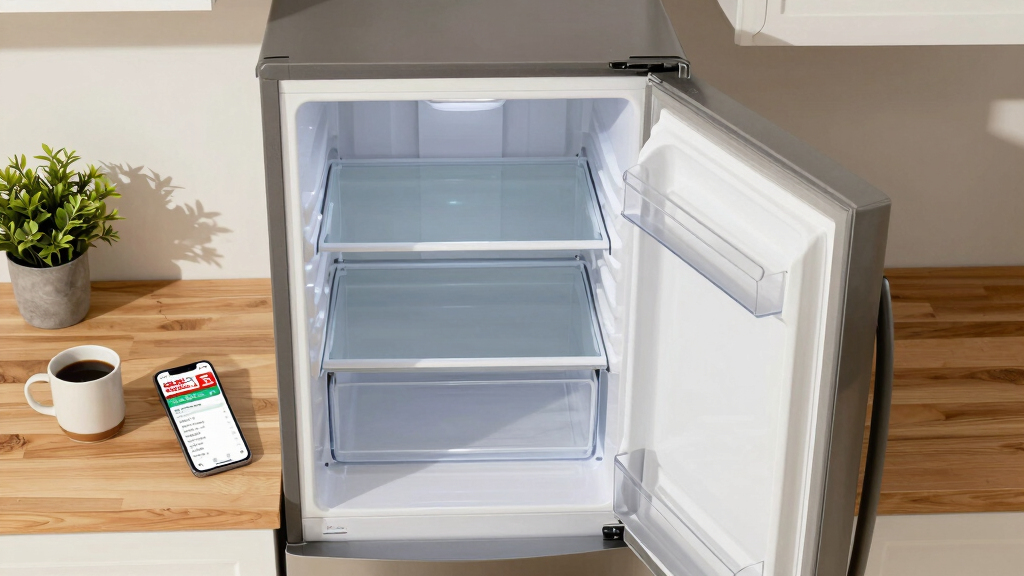
Papa Johns has introduced a new predictive technology capable of estimating when a customer’s fridge is empty. This innovation aims to enhance personalized food delivery, though details about how it works remain limited.
Papa Johns has unveiled a new technology that can predict when a customer’s fridge is empty, allowing for more targeted and timely food delivery. This development marks a significant step in personalized service, leveraging data analytics to anticipate customer needs before they arise. The company claims this innovation will improve customer satisfaction and streamline supply chain management, though specific technical details have not been disclosed.
According to Papa Johns, the new system uses a combination of data sources, including purchase history, delivery patterns, and potentially connected smart home devices, to estimate when a customer’s refrigerator may be running low on essentials. The company stated that the technology is still in testing phases but aims to enable real-time predictions that can trigger automatic reorder suggestions or delivery scheduling.
Officials from Papa Johns emphasized that this approach is designed to enhance the customer experience by reducing the chances of running out of food or ingredients, especially for busy households. The company did not specify whether this system involves direct integration with smart appliances or relies on behavioral data analysis alone. The announcement was made during a company event and has not yet been rolled out publicly.
Implications for Personalized Food Delivery and Consumer Convenience
This innovation could significantly change how food delivery services operate by enabling proactive replenishment of household supplies. For consumers, it promises increased convenience and fewer interruptions caused by empty refrigerators. For Papa Johns, it offers a competitive edge in the growing market of smart home-integrated services, potentially increasing order frequency and customer loyalty. However, privacy concerns and data security issues may arise as the company collects and analyzes personal household data to make predictions.smart refrigerator inventory monitor
As an affiliate, we earn on qualifying purchases.
As an affiliate, we earn on qualifying purchases.
Papa Johns’ Push into Smart Home Integration
Following the rise of smart home technology, several companies have explored ways to integrate food delivery with connected devices. While major players like Amazon and Google have invested in smart kitchen ecosystems, Papa Johns’ announcement indicates a move toward predictive analytics based on consumer behavior. This development aligns with broader trends in personalized services and AI-driven logistics, but details about the specific technology and partnerships remain unclear.
Previously, Papa Johns focused on digital ordering platforms and loyalty programs; this new initiative suggests an expansion into predictive service, aiming to anticipate customer needs before they explicitly request them. The company has not yet disclosed whether this system will be available nationwide or limited to select markets.
“Our new system leverages advanced data analysis to forecast when a customer’s fridge might be running low, enabling us to provide more timely and personalized service.”
— Papa Johns spokesperson
Technical Details and Privacy Concerns Still Unclear
It is not yet confirmed how Papa Johns collects the data necessary for these predictions—whether through smart appliances, app usage, or behavioral analysis. The specifics of data security measures and consumer privacy protections remain undisclosed, raising questions about user consent and data handling practices.
Additionally, the timeline for full deployment and the geographic scope of the rollout are still uncertain, as the company has not provided detailed rollout plans or technical specifications.
Expected Pilot Programs and Broader Rollout Plans
Papa Johns is likely to initiate pilot programs in select markets to test the system’s accuracy and customer reception. If successful, the company may expand the service more broadly within the next year. Further details about partnerships with smart device manufacturers or integration with existing smart home ecosystems are anticipated in upcoming announcements.
Consumers and industry observers will be watching closely to see how the system performs, especially regarding privacy safeguards and user experience improvements.
Key Questions
How does Papa Johns predict when my fridge is empty?
According to the company, the system uses data such as purchase history, delivery patterns, and possibly smart home device inputs to estimate when household supplies are running low. Specific technical methods have not been publicly disclosed.
Will this system be available to all customers?
It is currently in testing phases and limited to select markets. A broader rollout is expected if pilot programs demonstrate success, but no official timeline has been announced.
Does this raise privacy concerns?
Yes, collecting household data for predictive purposes raises privacy questions. The company has not yet detailed data security measures or user consent protocols, so consumers should stay informed about privacy policies as the system develops.
Could this technology replace traditional ordering methods?
While it aims to make delivery more proactive, it is unlikely to replace traditional ordering entirely. Instead, it is designed to complement existing services by anticipating needs and improving timing.
Source: hn
Halloween Picks
halloween
As an affiliate, we earn on qualifying purchases.