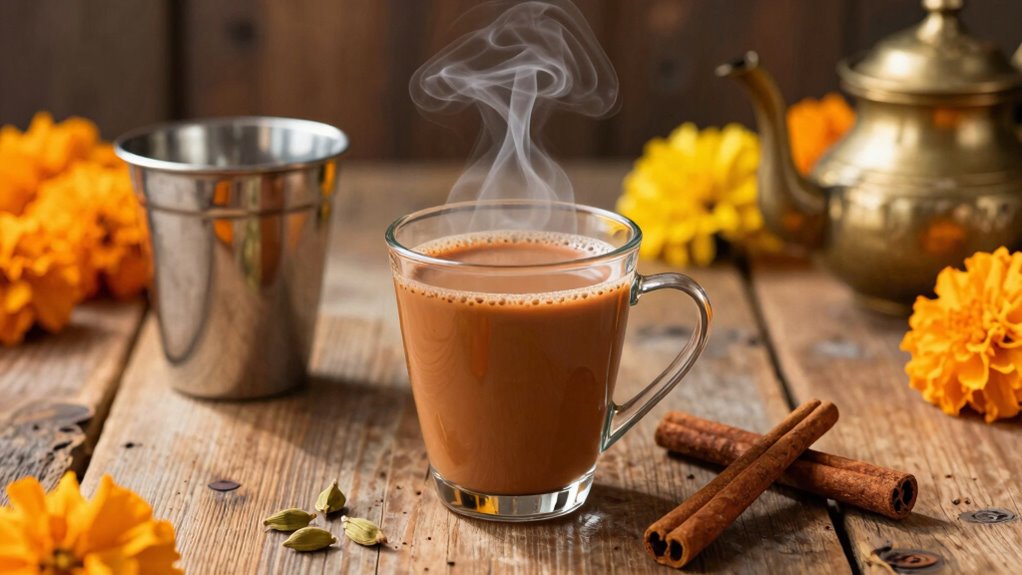

You miss the complex, layered flavors that Indian tea offers, shaped by unique climate, soil, and elevation. The rich aroma, whether from Assam’s earthiness or Darjeeling’s floral notes, creates a comforting experience. You also long for the cultural warmth found in traditional preparation and vibrant tea stalls. These elements make Indian tea more than just a beverage—it’s a heartfelt tradition and sensory journey. Keep exploring to discover even more about what makes Indian tea so special.
Key Takeaways
- The complex, layered flavors unique to Indian teas like Darjeeling and Assam.
- The traditional rituals and meticulous preparation methods that enhance the experience.
- The vibrant cultural atmosphere and storytelling surrounding tea in India.
- The nostalgic connection to India’s landscapes, heritage, and regional practices.
- The warmth and hospitality infused in every cup, symbolizing cultural pride and community.
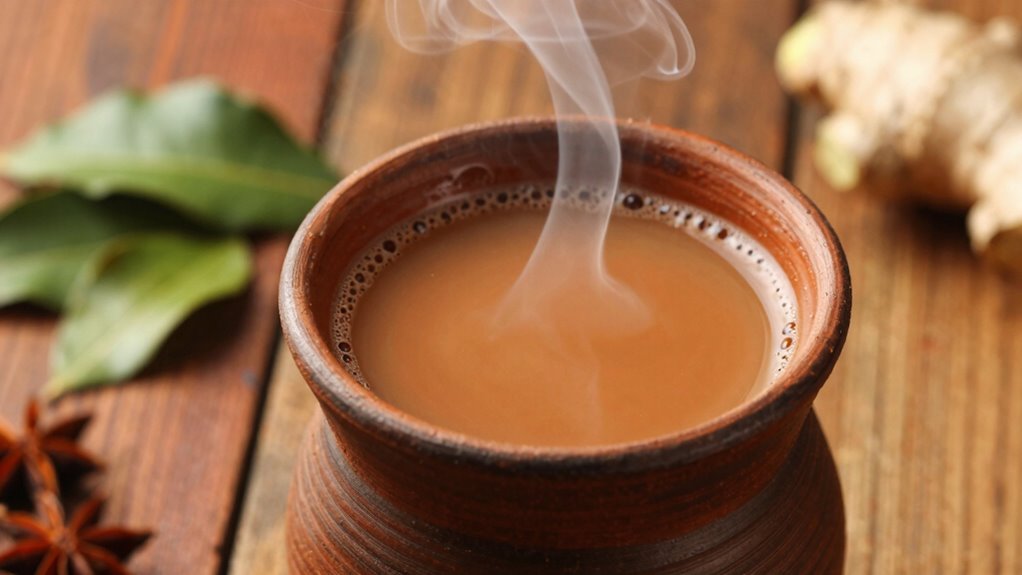
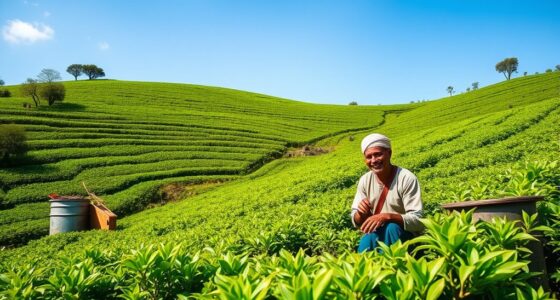
For many tea enthusiasts outside India, the aroma and flavor of authentic Indian tea evoke a sense of nostalgia that’s hard to replicate elsewhere. When you sip a steaming cup, you’re transported to lush plantations where tea cultivation isn’t just a process—it’s an art form passed down through generations. Indian tea, especially varieties like Assam and Darjeeling, are renowned worldwide for their distinctive flavor profiles, which are shaped by the unique climate, soil, and elevation of their growing regions. This meticulous cultivation results in teas that boast complex, layered tastes you just can’t find in mass-produced blends.
What you might miss most about Indian tea is the depth of its flavor profiles. Each sip reveals a story—the earthy richness of Assam, the floral and muscatel notes of Darjeeling, or the spicy undertones of chai. These flavor profiles are a product of specific regional practices and the careful attention paid during tea cultivation. Unlike some teas grown for volume, Indian teas often offer a nuanced experience, with every cup unveiling new hints and subtleties that keep you returning for more. The process of cultivating these teas involves more than just planting and harvesting; it’s about nurturing the land to bring out the best possible flavors, and that dedication shows in the final product.
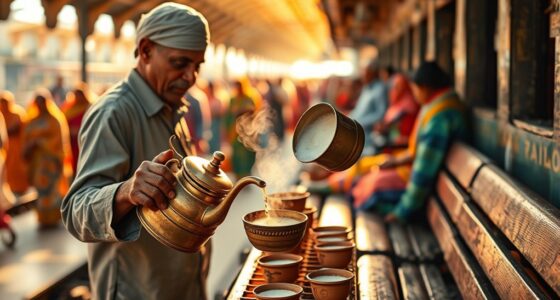
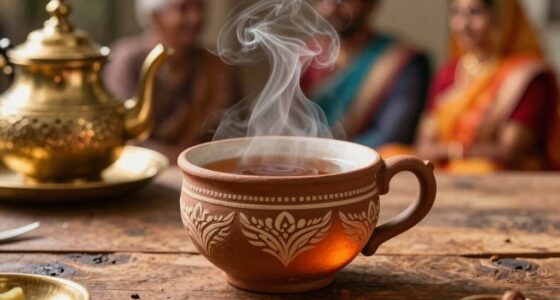
You also miss the ritual of preparing Indian tea—whether it’s the robust morning brew, the fragrant chai you share with friends, or the delicate Darjeeling served in the afternoon. The method of brewing—often involving boiling strong tea leaves with spices or milk—creates a comforting aroma that fills the room. This tradition, rooted in Indian culture, makes each cup more than just a beverage; it becomes an experience, a moment of warmth and connection. Additionally, the climate and soil conditions of India play a crucial role in developing the unique characteristics of Indian tea, making it truly one-of-a-kind.
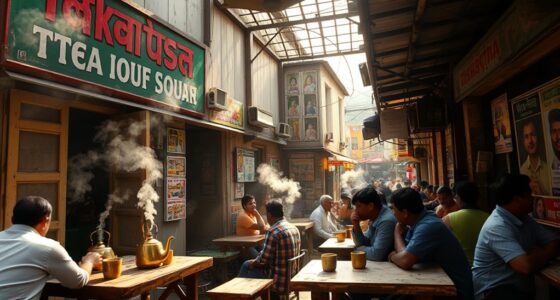
Beyond the taste, you might long for the vibrant cultural context that accompanies Indian tea. From bustling tea stalls in Kolkata to serene hilltop plantations, the environment adds to the overall experience. Indian tea isn’t just about the leaf; it’s about the stories, the history, and the passion woven into every sip. So, when you miss Indian tea, it’s not just the flavor profiles you crave, but the entire sensory journey—one that captures the essence of India’s rich heritage and the dedicated hands that cultivate each leaf.
Indian loose leaf tea Darjeeling
As an affiliate, we earn on qualifying purchases.
As an affiliate, we earn on qualifying purchases.
Frequently Asked Questions
How Does Indian Tea Differ From Other Global Teas?
Indian tea differs from other global teas with its rich, bold flavors and unique tea blending techniques, often involving spices like cardamom and ginger. You might overlook how Indian tea respects traditional tea etiquette, emphasizing slow brewing and savoring each sip. This cultural approach enhances the experience, making Indian tea more than just a beverage—it’s a ritual. When you appreciate these nuances, you’ll discover a depth of flavor most global teas don’t offer.
What Traditional Methods Are Used in Indian Tea Production?
You’ll notice that traditional Indian tea production involves careful leaf plucking and tea fermentation. Skilled workers handpick the tender tea leaves during early mornings, ensuring quality. After plucking, leaves undergo fermentation, a vital step where enzymes react to develop flavor and aroma. This process, combined with traditional methods like withering and rolling, preserves the authentic taste that many tea lovers miss when they overlook the artistry behind Indian tea.
Which Regions in India Produce the Most Distinctive Teas?
You’ll find Assam, Darjeeling, and Nilgiri leading India’s most distinctive teas. At these regions’ tea estates, the unique climate and soil influence tea fermentation, creating signature flavors. Assam offers robust, malty brews perfect for breakfast. Darjeeling provides delicate, floral notes, often called the “Champagne of teas.” Nilgiri’s teas are bright and brisk, ideal for iced teas. Each region’s distinct terroir shapes the rich, diverse character that tea lovers cherish.
How Does Indian Tea Influence Local Indian Culture?
Indian tea deeply influences local culture through daily rituals and cherished tea ceremonies. When you partake in these cultural rituals, you connect with traditions passed down generations. Tea ceremonies often mark important moments, fostering community bonds. As you sip your chai or milky brew, you experience a sense of belonging and cultural pride. Indian tea’s influence shapes social interactions, making it an integral part of daily life and communal celebrations.
Are There Specific Health Benefits Unique to Indian Tea?
You might be surprised, but Indian tea offers unique health benefits rooted in its rich herbal infusions and organic certifications. These teas can boost your immunity, improve digestion, and reduce stress, thanks to traditional ingredients like tulsi and ginger. With organic certifications, you get pure, pesticide-free leaves, enhancing these benefits. So, as you sip, you’re not just enjoying a flavorful drink but nurturing your well-being in ways other teas can’t replicate.
Conclusion
Just like a rare, treasured melody that echoes long after the music stops, Indian tea’s true essence lingers in your memory—the warmth, the aroma, the soul of its leaves. You might chase the perfect brew elsewhere, but what you miss is the heartbeat of India in every sip. Remember, sometimes the most beautiful melodies are found in the simplest notes, waiting patiently to be rediscovered in every cup you hold.