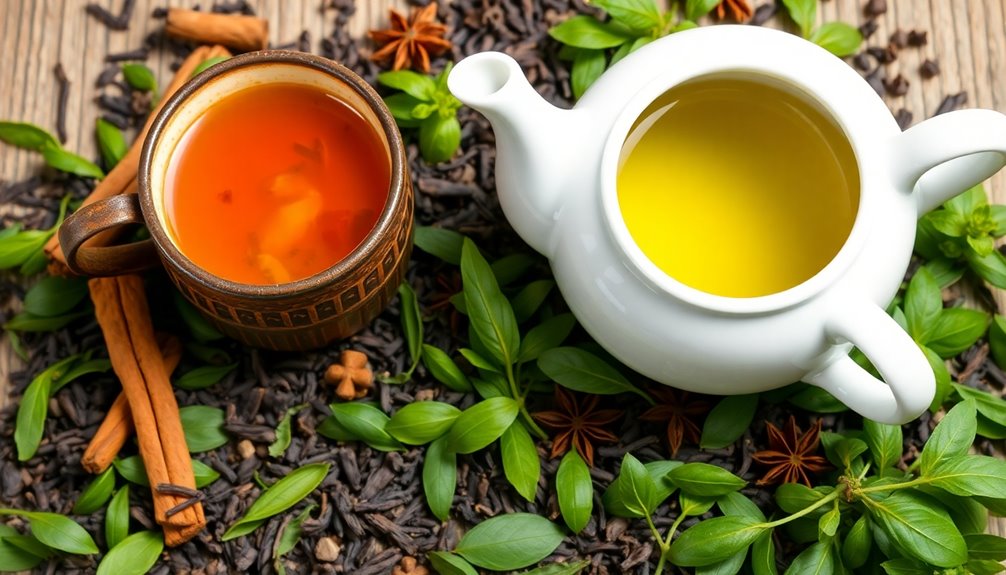
Indian tea deserves a closer look because of its incredible diversity of flavors rooted in regional landscapes. Whether you prefer the delicate, floral notes of Darjeeling or the bold, malty taste of Assam, each variety reflects unique climate and cultivation methods. Traditional and modern processing techniques add depth to its character, while the cultural significance highlights India’s rich heritage. Explore further, and you’ll discover how this ancient drink embodies a fascinating blend of nature, tradition, and craftsmanship.

Get coffee and tea gear delivered free with Prime
- Fast, free delivery on millions of items
- Prime Video, Amazon Music and more included
- Member-only deals all year
Key Takeaways
- Indian tea offers a diverse range of unique regional flavors, from delicate Darjeeling to robust Assam varieties.
- Traditional cultivation and processing techniques contribute to the distinctive quality and character of Indian teas.
- Climate and terrain significantly influence the taste, aroma, and complexity of teas from different regions.
- The rich cultural and agricultural heritage behind Indian tea reflects centuries of tradition and innovation.
- Exploring Indian tea reveals a deep connection between regional identity, biodiversity, and sustainable farming practices.
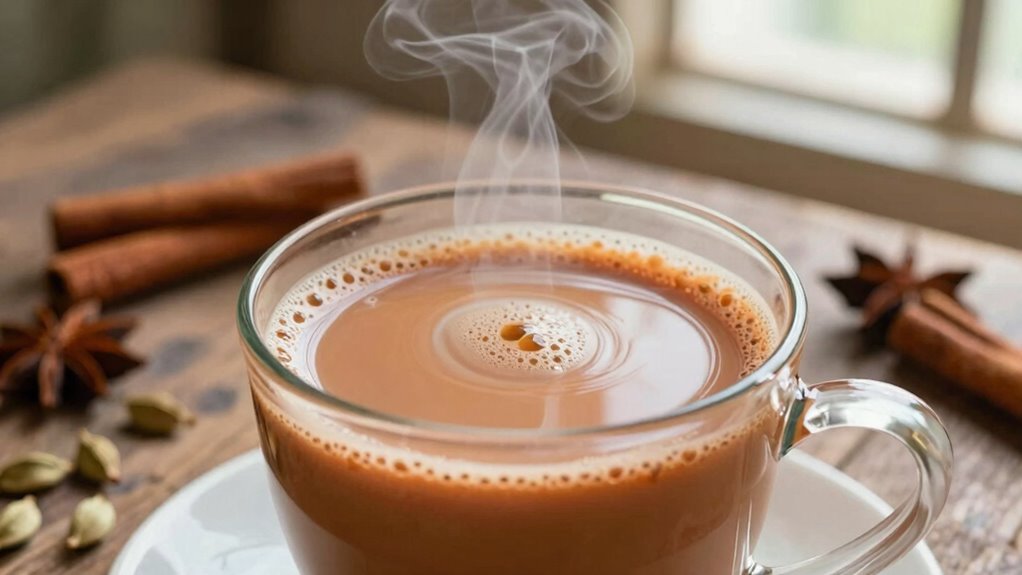
Have you ever truly explored the rich world of Indian tea? If not, you’re missing out on a diverse and vibrant beverage that offers much more than just a comforting sip. Indian tea isn’t just about black or chai; it’s a complex tapestry woven from different regions, each with its own unique approach to tea cultivation and flavor profiles. When you investigate Indian tea, you begin to understand how the country’s climate and terrain influence the taste and character of each brew. From the misty hills of Darjeeling to the lush gardens of Assam, tea cultivation varies considerably, producing teas with distinct notes and aromas. These differences make Indian teas stand out on the global stage and give you a reason to explore beyond your usual cup.
The process of tea cultivation in India is meticulous and deeply rooted in tradition. Tea plantations span from high-altitude regions to lowland plains, each offering ideal conditions for different types of tea. For instance, Darjeeling’s cool climate enables the growth of delicate, floral teas with a muscatel aroma, while Assam’s warm, humid environment fosters robust, malty flavors perfect for breakfast teas. The way tea is cultivated—whether it’s plucking the tender leaves by hand or the specific times of harvest—directly impacts the flavor profiles you’ll encounter. This careful attention to cultivation techniques guarantees that each batch of Indian tea carries a signature taste, making it a versatile choice for all kinds of tea lovers. Additionally, understanding biodiversity in tea cultivation can deepen your appreciation for the variety and resilience of Indian tea plants, as different regions cultivate specific varieties suited to their environment. Moreover, sustainable farming practices are increasingly being adopted to preserve the environment and ensure the ongoing quality of Indian teas.
When you taste Indian tea, you’re experiencing a spectrum of flavors that are as varied as the landscapes they come from. You might notice the bright, brisk notes of a strong Assam brew or the subtle, complex floral qualities of a high-quality Darjeeling. Some teas even blend these characteristics, creating unique flavor profiles that are both bold and nuanced. The traditional methods of processing—whether it’s fermentation, oxidation, or drying—also play an essential role in shaping these flavors. As you explore Indian teas, you’ll discover how the subtle nuances in aroma and taste reflect the region’s history, climate, and cultivation practices. It’s also fascinating to see how tea processing techniques have evolved over centuries, maintaining tradition while embracing innovation. Embracing the diversity of Indian teas can enrich your appreciation for the cultural significance and agricultural expertise behind each cup. This depth of character is what makes Indian tea truly deserving of a closer look, inviting you to appreciate not just the drink itself, but the rich cultural and agricultural story behind it.
As an affiliate, we earn on qualifying purchases.
Frequently Asked Questions
What Are the Unique Health Benefits of Indian Tea?
Indian tea offers unique health benefits, especially through herbal infusions like Tulsi and ginger, which boost immunity and reduce stress. You’ll also enjoy its rich antioxidant properties, helping fight free radicals and promote overall health. Drinking Indian tea regularly can improve digestion, enhance mental alertness, and provide a natural energy boost. Its diverse blends make it a flavorful way to support your wellness routine daily.
How Does Indian Tea Cultivation Impact Local Communities?
You might not realize it, but Indian tea cultivation gently nurtures local communities through tea sustainability initiatives and community empowerment. As you enjoy a cup, you’re supporting fair wages, eco-friendly practices, and local development. This positive impact helps preserve the environment and uplift farmers, ensuring that the rich tradition of Indian tea continues to thrive while fostering a sense of pride and resilience within these vibrant communities.
What Are the Best Indian Teas for Beginners?
You should start with Assam or Darjeeling teas, which are perfect for beginners. Assam offers bold, malty flavors, while Darjeeling provides a delicate, fruity aroma. These teas showcase popular tea blends and diverse flavor profiles, making them easy to appreciate. You’ll find that their unique tastes help you explore Indian tea’s richness and complexity, inspiring you to try more varieties later on.
How Is Indian Tea Different From Other Global Varieties?
You might think all teas are the same, but Indian tea’s unique tea aroma and diverse harvesting methods tell a different story. Unlike global varieties, Indian teas are often harvested multiple times a year, creating complex flavors. The aroma varies from robust to floral, reflecting the distinct regional climates and processing techniques. This vibrant diversity makes Indian tea stand out, offering a rich experience that’s hard to find elsewhere.
What Are Traditional Indian Tea Brewing Techniques?
You start by selecting fresh tea leaves, then roll them gently to release natural enzymes during leaf rolling. Traditional Indian brewing often involves fermenting the tea leaves, which develops their rich, bold flavors. After fermentation, the leaves are dried and brewed with boiling water and optional spices like cardamom or ginger. This process highlights Indian tea’s unique characteristics, creating a robust and aromatic cup that’s deeply rooted in tradition.
Conclusion
So, next time you sip your tea, think beyond the familiar. Indian tea’s rich history and diverse flavors stand in contrast to its global reputation, waiting to be explored. It’s like discovering a hidden gem in a crowded market—something unique and worth your attention. Don’t settle for the usual; open your palate and appreciate the complexity behind each cup. Indian tea isn’t just a beverage—it’s an experience waiting to be uncovered.
Fall Picks
fall essentials
As an affiliate, we earn on qualifying purchases.