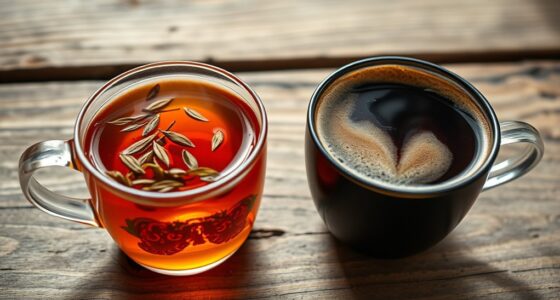
Traditional tea practices support heart health through herbal infusions like hawthorn, hibiscus, and ginger, which are used to lower blood pressure, strengthen the heart, and reduce inflammation. Rituals such as Japanese tea ceremonies or Chinese social tea gatherings promote relaxation, mindfulness, and stress relief, all benefiting cardiovascular wellness. Preparing these teas with mindful techniques enhances their effects. Exploring these cultural approaches helps you understand how centuries-old traditions can contribute to your heart’s health.

Get coffee and tea gear delivered free with Prime
- Fast, free delivery on millions of items
- Prime Video, Amazon Music and more included
- Member-only deals all year
Key Takeaways
- Herbal infusions like hawthorn and hibiscus have historically been used to support cardiovascular health and lower blood pressure.
- Traditional tea ceremonies promote mindfulness and relaxation, reducing stress and benefiting heart health.
- Ginger tea is valued for its anti-inflammatory properties that help improve circulation and overall cardiovascular function.
- Steeping techniques and specific preparation methods maximize the beneficial compounds in herbal teas for heart support.
- Cultural practices emphasize balance, self-care, and community connection through tea rituals that promote cardiovascular wellness.
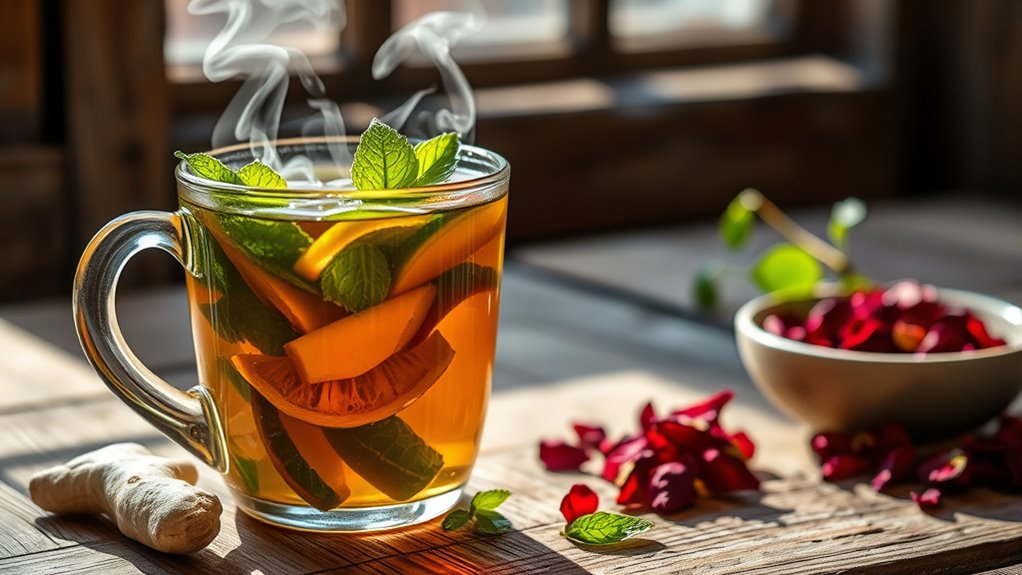
Throughout history, tea has been valued not just for its flavor but also for its potential benefits to heart health. Many cultures have relied on herbal infusions and traditional practices to promote cardiovascular well-being, often turning to specific plants and brewing methods that have been passed down through generations. When you explore these cultural practices, you’ll notice how deeply rooted they are in community and heritage, often involving rituals that emphasize mindfulness and balance.
Historic tea traditions support heart health through herbal infusions and mindful rituals rooted in community and heritage.
In numerous societies, herbal infusions made from plants like hawthorn, hibiscus, and ginger have been used to support the heart. These herbal infusions are prepared by steeping dried herbs or flowers, allowing their natural compounds to release into the water. For example, hawthorn tea has long been prized in European herbal medicine for its ability to strengthen cardiac muscles and improve circulation. Hibiscus, with its vibrant color and tart flavor, is another popular infusion known for its potential to lower blood pressure and reduce oxidative stress. Ginger tea, widely used across Asia and the Middle East, is appreciated not only for its warming properties but also for its anti-inflammatory effects, which can benefit cardiovascular health over time.
Cultural practices surrounding tea drinking often involve more than just the beverage itself; they encompass rituals that promote relaxation and social connection, both of which can positively influence heart health. In Japan, for instance, the traditional tea ceremony emphasizes mindfulness, calmness, and respect—elements that can reduce stress and, in turn, benefit your cardiovascular system. Similarly, in China, tea drinking is a social activity that fosters community bonds, which research shows can help lower stress levels and improve overall health. These practices are often intertwined with herbal infusions, making tea a holistic approach to wellness that aligns with cultural values.
You might find that many of these traditions include specific brewing techniques, such as using particular water temperatures or steeping times, to maximize the health benefits of herbal infusions. Incorporating these practices into your routine doesn’t require a complete cultural overhaul; it’s about embracing the mindful preparation and consumption of tea that has historically supported heart health. Whether it’s a simple cup of hibiscus in the morning or participating in a ceremonial ritual, these cultural practices and herbal infusions serve as a reminder that taking time to nurture yourself can have meaningful impacts on your cardiovascular well-being. Embracing these traditions allows you to connect with centuries of wisdom, transforming your tea experience into a purposeful act for your heart health. Additionally, understanding the benefits of herbal infusions can deepen your appreciation for their role in traditional heart health practices.
Hawthorn herbal tea for heart health
As an affiliate, we earn on qualifying purchases.
As an affiliate, we earn on qualifying purchases.
Frequently Asked Questions
Are There Specific Types of Tea More Beneficial for Heart Health?
Yes, certain teas are more beneficial for heart health. Herbal varieties like hibiscus and rooibos are rich in tea antioxidants, which help reduce blood pressure and improve circulation. Green and black teas also contain powerful antioxidants that support cardiovascular health. Drinking these teas regularly can boost your heart’s well-being by fighting oxidative stress and promoting healthy blood vessels. So, choose herbal and traditional teas for added heart benefits.
How Much Tea Should I Drink Daily for Heart Benefits?
You should aim to drink about 3 to 4 cups of tea daily for heart benefits. Keep in mind, tea caffeine varies, so choose decaf if you’re sensitive. Herbal infusions like hibiscus or chamomile are great options without caffeine. Drinking this amount regularly can support your heart health, but avoid excessive intake to prevent potential side effects like jitteriness or sleep issues.
Can Tea Replace Medication for Heart Disease Prevention?
No, tea antioxidants can’t replace medication for heart disease prevention. While tea, rich in antioxidants, supports heart health, it shouldn’t be your sole strategy. You need prescribed medications, lifestyle changes, and regular check-ups to effectively manage heart disease risk. Incorporate tea as a healthy addition to your diet, but always follow your doctor’s advice and treatment plan for thorough heart health.
Are There Any Side Effects of Drinking Large Amounts of Tea?
Sure, drinking massive amounts of tea might seem harmless, but beware of caffeine overdose—your heart might protest. Excess tea can also hinder iron absorption, leaving you tired and anemic. Ironically, what’s good in moderation can turn problematic when overdone. So, enjoy your tea, but don’t let it turn into a caffeinated, iron-blocking villain. Balance is key to avoiding unwanted side effects.
Is Tea Effective for Heart Health in All Age Groups?
Tea can benefit your heart health across all age groups, but its effectiveness varies based on age-related benefits and lifestyle factors. Younger people may see improvements with regular consumption, while older adults might experience reduced risks of heart disease. However, to maximize benefits, you should consider lifestyle factors like diet, exercise, and overall health. Drinking tea is a helpful addition, but it’s not a standalone solution for heart health at any age.
Conclusion
By incorporating tea into your daily routine, you can support your heart health naturally. Historically, many cultures have relied on tea to promote cardiovascular wellness, and modern studies back this up. Did you know that regular tea drinkers have a 20% lower risk of heart disease? Staying consistent with tea consumption might just give your heart the gentle boost it needs, making it a simple yet powerful addition to your health habits.
Fall Picks
fall essentials
As an affiliate, we earn on qualifying purchases.