
Tea is more than a drink; it’s a symbol of cultural identity with deep roots worldwide. In Japan, the disciplined tea ceremony embodies mindfulness and serenity. Chinese traditions focus on appreciating flavors and fostering social bonds. In Britain, tea signifies comfort and tradition, while Morocco’s mint tea reflects hospitality. These customs highlight shared values like respect, harmony, and celebration. If you keep exploring, you’ll uncover even more fascinating stories behind tea’s role across cultures.

Get coffee and tea gear delivered free with Prime
- Fast, free delivery on millions of items
- Prime Video, Amazon Music and more included
- Member-only deals all year
Key Takeaways
- Tea ceremonies reflect each culture’s values, emphasizing harmony, respect, mindfulness, and social bonding.
- Japan’s *chanoyu* prioritizes aesthetics, etiquette, and spiritual calm through disciplined rituals.
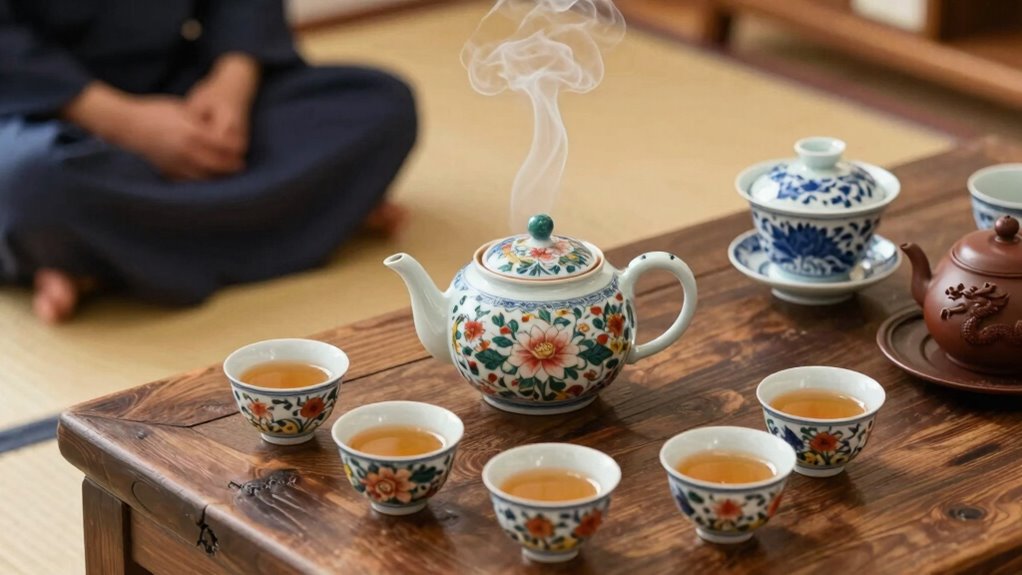
- Chinese tea practices focus on brewing artistry, patience, and fostering harmonious social interactions.
- Globally, tea symbolizes hospitality, tradition, and societal identity, varying from British comfort to Moroccan friendship.
- Modern innovations blend technology and sustainability, preserving traditional tea customs while evolving cultural practices.
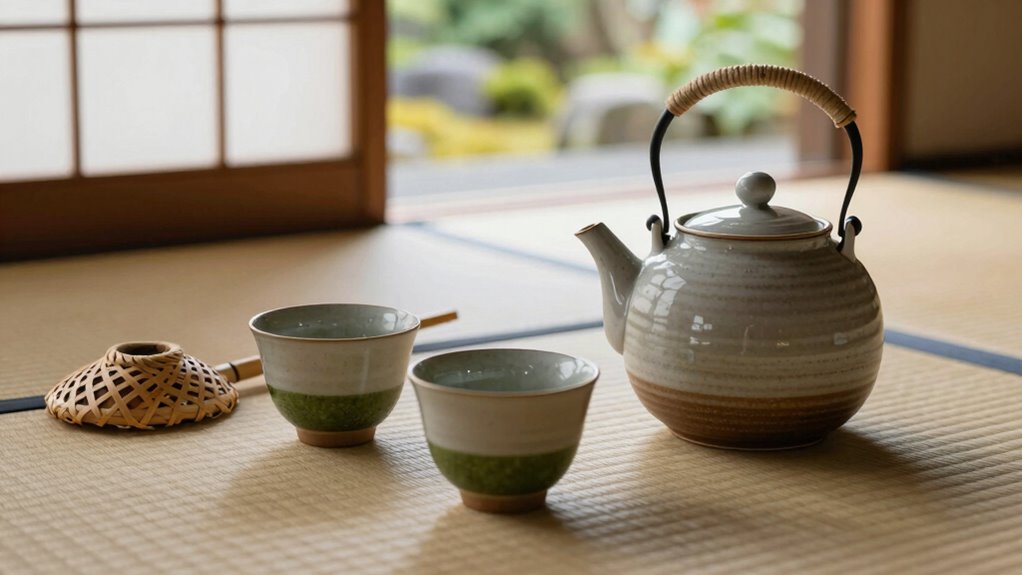
Tea is more than just a beverage; it’s a reflection of cultural identities and traditions around the world. When you participate in a tea ceremony, you’re not just drinking tea—you’re engaging in a ritual that embodies centuries of history, values, and social customs. These ceremonies often serve as a mirror of a society’s worldview, emphasizing harmony, respect, and mindfulness. For example, in Japan, the traditional tea ceremony, known as *chanoyu*, is a highly disciplined practice that highlights aesthetics, etiquette, and spiritual reflection. You’re expected to approach each step with reverence, appreciating the delicate utensils and the quiet, meditative atmosphere. It’s not merely about drinking tea, but about cultivating a sense of inner calm and connection with others. In contrast, Chinese tea ceremonies focus on the art of brewing and appreciating tea’s flavors, emphasizing the importance of patience and harmony with nature. The act of preparing and serving tea becomes a way to foster social bonds and express respect, especially during important gatherings or family celebrations. Tea ceremonies serve as a reflection of cultural values and social structures, illustrating how deeply rooted these traditions are within each society. These rituals also often involve sustainable practices, such as the careful use of resources and traditional methods that have been passed down through generations, supporting the preservation of cultural heritage and environmental sustainability. Recognizing the technological advancements in tea processing and presentation can also enhance our understanding of how these rituals evolve while maintaining their cultural core. Furthermore, these technological innovations often introduce new ways to experience traditional tea rituals, blending modern convenience with cultural preservation.
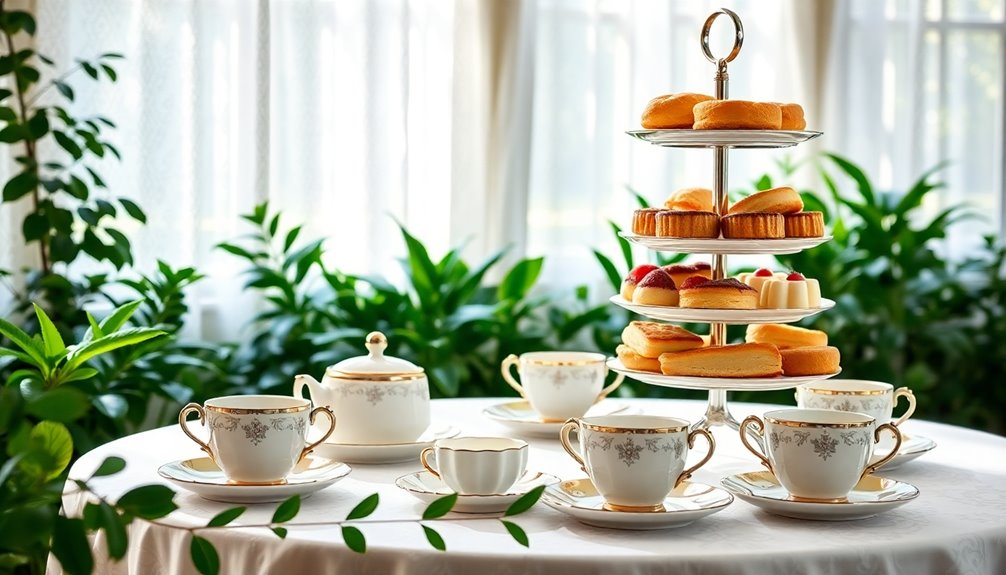
Across the globe, tea’s cultural significance varies but always holds a certain reverence. In Britain, tea isn’t just a quick refreshment; it’s a social event, often associated with tradition and comfort. The ritual of afternoon tea, complete with scones and clotted cream, brings people together and creates a sense of community. Meanwhile, in countries like Morocco, the elaborate process of preparing and serving mint tea symbolizes hospitality and friendship. You’re expected to serve guests with a generous pour, often multiple times, to demonstrate warmth and generosity. These customs highlight how tea transcends mere consumption, becoming a gesture of goodwill and social cohesion.
In each culture, tea ceremonies serve as a vessel for conveying values, whether it’s serenity in Japan, social bonding in Britain, or hospitality in Morocco. The rituals surrounding tea offer a glimpse into the deeply rooted traditions and collective identities of these societies. They remind you that tea isn’t just about flavor or caffeine; it’s about the stories, history, and relationships that each culture imbues into every cup. Understanding these ceremonies helps you appreciate how tea functions as a universal yet meaningfully practice, connecting people across time and space through shared rituals and cultural significance. Recognizing the cultural importance of tea enriches your appreciation of these diverse traditions.
As an affiliate, we earn on qualifying purchases.
Frequently Asked Questions
How Did Tea Originate in Different Cultures?
You learn that tea originated from the tea plant in ancient China, where it was first consumed for medicinal purposes. As it spread, different cultures embraced tea, imbuing it with unique cultural symbolism—like Japan’s tea ceremonies emphasizing harmony, or Britain’s afternoon tea as a social ritual. Each culture adapted tea’s significance, turning it into more than just a beverage, but a symbol of tradition, hospitality, and identity.
What Are Some Unique Tea Brewing Methods Worldwide?
You’ll find unique tea brewing methods worldwide, influenced by tea leaf types and brewing techniques. In Japan, you might prepare matcha by whisking powdered leaves with hot water, creating a frothy drink. In Morocco, you steep green tea with mint and sugar, then pour from a height to aerate. China often brews delicate green or black teas using multiple infusions, highlighting the different flavors extracted through specific techniques.
How Does Tea Influence Social Customs Across Cultures?
You’ll notice that in many cultures, tea strongly influences social customs, with about 70% of countries having specific tea etiquette. When you engage in tea ceremonies or casual gatherings, it fosters social bonding and respect. These customs often symbolize hospitality, community, and tradition. By following local tea etiquette, you connect more deeply with others, creating a shared experience that celebrates cultural identity and strengthens social relationships around a simple, comforting cup of tea.
Are There Specific Traditional Tea Ceremonies in Each Culture?
Yes, many cultures have specific traditional tea ceremonies, each with unique ritual significance and tea symbolism. For example, Japan’s precise tea ceremony emphasizes harmony and respect, while China’s Gongfu tea ceremony highlights skill and artistry. In Morocco, serving mint tea symbolizes hospitality and friendship. These ceremonies deepen cultural identity, turning tea into more than just a beverage, but a meaningful ritual that reflects values and social bonds.
How Has Globalization Affected Traditional Tea Practices?
You see tea leaves traveling across continents like whispers of history, shaping traditions worldwide. Globalization’s impact on traditional tea practices is profound; the tea trade fuels cultural exchange, blending rituals and flavors. You might sip a matcha latte in New York or enjoy a chai in London, feeling the shared connection. While some customs evolve, the essence of tea remains a symbol of unity, bridging diverse cultures through a simple, yet powerful, brew.
Conclusion
So, next time you sip your tea, imagine you’re holding a tiny, enchanted vessel connecting you to centuries of tradition across the globe. Feel the warmth seep into your bones like a secret passed down through generations, transforming an ordinary moment into an extraordinary ritual. Tea isn’t just a drink; it’s a portal to worlds where every sip open doors to stories so rich, they could fill entire universes. Cheers to the magic in your cup!
Fall Picks
fall essentials
As an affiliate, we earn on qualifying purchases.