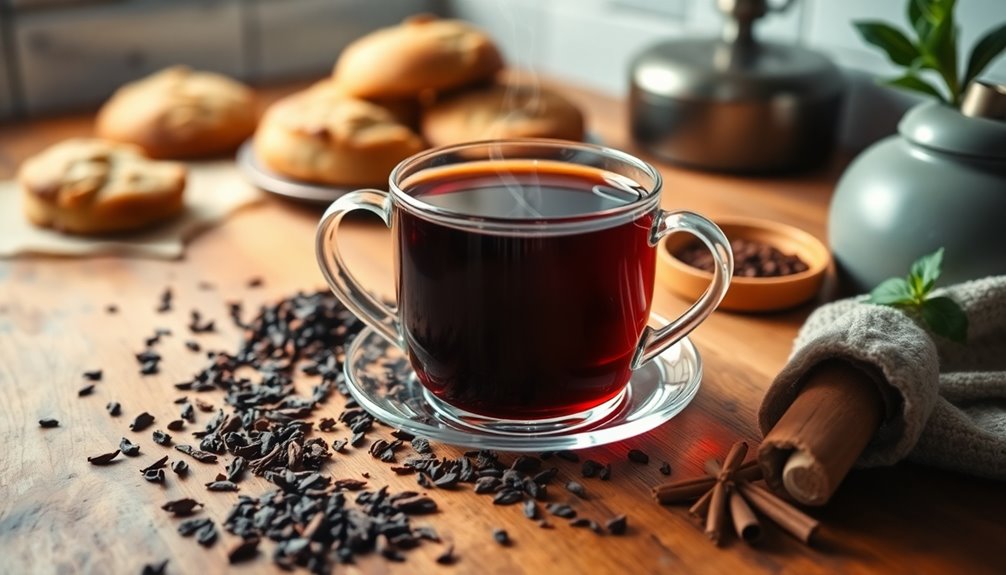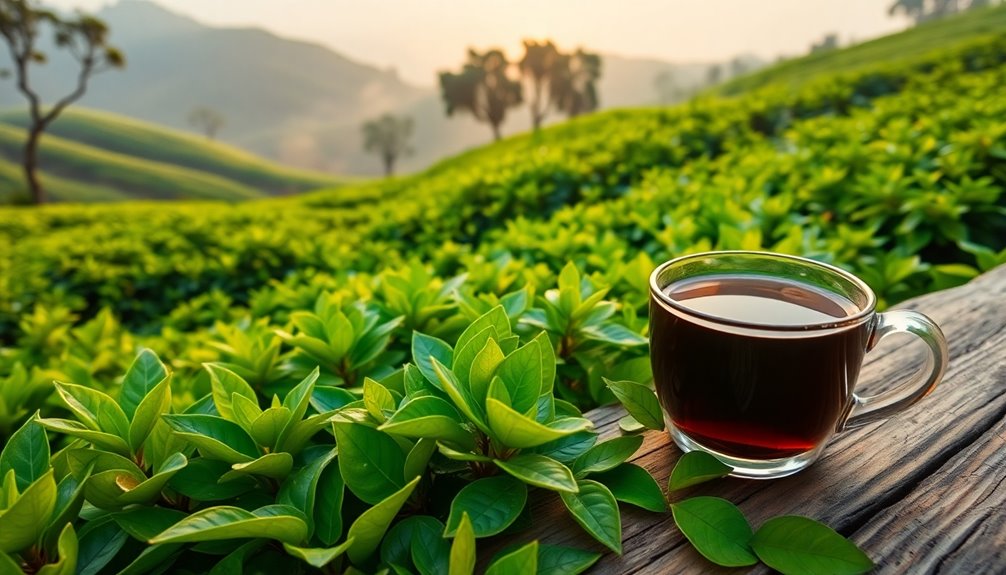
Black tea has a rich history rooted in centuries of cultivation that influences its flavor, aroma, and character. Its story involves traditional methods like plucking, withering, rolling, and oxidation, all affected by environment, region, climate, and soil. Cultivators have refined these practices over generations, often emphasizing sustainability and unique terroirs. Beyond just a drink, black tea symbolizes hospitality, culture, and tradition worldwide. If you’re curious about its deeper connections, there’s much more to uncover behind this beloved beverage.

Get coffee and tea gear delivered free — and shop member deals
- Fast, free delivery on millions of items
- Access to Prime Big Deal Days deals on October 6–7
- Prime Video, Amazon Music and more included
Key Takeaways
- Black tea’s production involves specific steps like plucking, withering, rolling, oxidation, and drying that shape its flavor.
- Environmental factors such as climate, altitude, and soil quality, along with terroir, significantly influence its taste profile.
- Cultivation practices are deeply rooted in tradition and sustainability, ensuring ecosystem preservation and high-quality production.
- Black tea holds cultural significance worldwide, symbolizing hospitality, community, and tradition across various societies.
- Historically and artistically, black tea plays a central role in rituals, festivals, and cultural expressions beyond just beverage consumption.
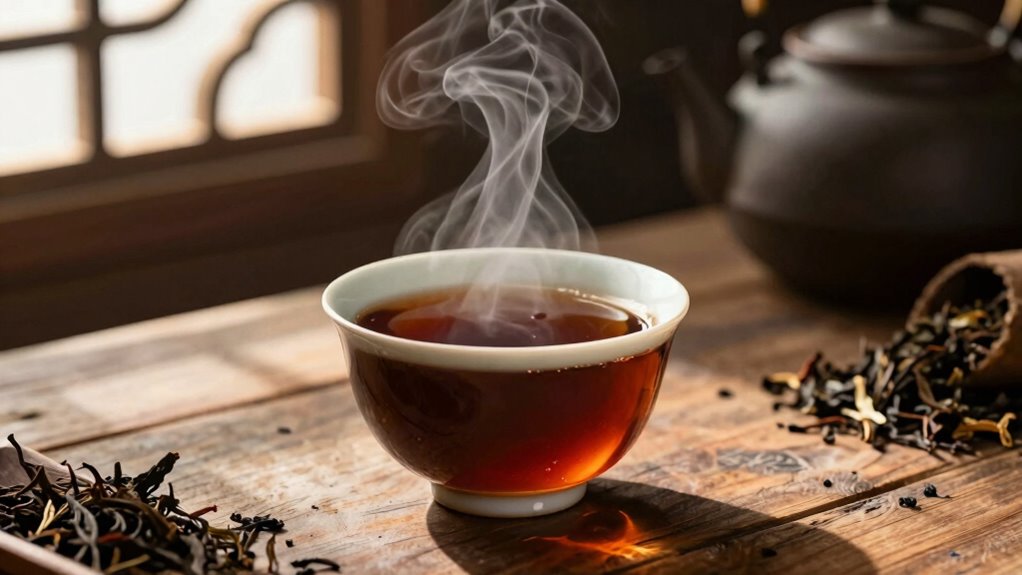
Have you ever wondered what truly sets black tea apart from other types of tea? The answer lies in its unique journey from tea cultivation to cultural significance. Black tea’s origins trace back centuries, with its production rooted in detailed tea cultivation methods that influence everything from flavor to aroma. The cultivation process involves a complex interplay of environmental factors that impact the final taste, emphasizing the importance of terroir in tea cultivation . You might not realize it, but each sip you take reflects a complex process involving careful plucking, withering, rolling, oxidation, and drying. These steps are essential in developing black tea’s characteristic boldness and depth. The climate, altitude, and soil where the tea plants are grown directly impact the final product, making tea cultivation a precise art. Regions like India, Sri Lanka, and Kenya have become renowned for their distinct black teas, each carrying the essence of their terroir. The cultivation process isn’t just about producing tea leaves; it’s about nurturing a tradition that’s been refined over generations. Sustainable cultivation practices help preserve these regions’ ecosystems and ensure the longevity of tea production.
Black tea’s cultural significance runs deep across the world. In many societies, it’s more than a beverage—it’s a symbol of hospitality, community, and tradition. In China, tea culture is intertwined with centuries of history and philosophy, emphasizing respect and harmony. Meanwhile, in Britain, black tea became a staple during the colonial era, transforming into a daily ritual that signifies comfort and social bonding. You can see its importance in the afternoon tea tradition, where black tea is served alongside delicate sandwiches and scones, fostering connection and civility. In India, chai—a spiced black tea—holds cultural importance, often brewed with a blend of herbs and spices that reflect regional identities and family traditions. Across these cultures, black tea serves as a unifying element, bridging generations and social classes.
The cultural significance of black tea extends beyond its consumption. It influences festivals, rituals, and even art. For example, traditional tea ceremonies in Japan and China elevate the act of tea drinking into an art form, emphasizing mindfulness and respect. In many countries, tea plantations are cultural landmarks, representing local history and craftsmanship. As you enjoy a cup of black tea, you partake in a global tradition that’s shaped by centuries of cultivation practices and cultural stories. It’s a symbol of hospitality, a catalyst for social interaction, and a reflection of regional identity. Understanding this rich background can deepen your appreciation, transforming a simple beverage into a meaningful experience that connects you to a broader human story.
black tea loose leaf variety pack
As an affiliate, we earn on qualifying purchases.
As an affiliate, we earn on qualifying purchases.
Frequently Asked Questions
How Does Black Tea Differ Chemically From Green Tea?
Black tea differs chemically from green tea mainly due to tea oxidation. During processing, black tea undergoes full oxidation, which alters its chemical composition, giving it darker color and richer flavor. Green tea skips this step, preserving more antioxidants like catechins. As a result, black tea has higher levels of theaflavins and thearubigins, while green tea retains more catechins, impacting their health benefits and taste profiles.
Can Black Tea Improve Mental Alertness?
Yes, black tea can improve your mental alertness. Its caffeine content, a key part of tea culture, stimulates your central nervous system, helping you stay focused. Theanine in black tea also promotes relaxation without drowsiness, balancing the caffeine’s effects. Regular consumption can enhance your mental benefits, making black tea a popular choice for boosting concentration and alertness during busy days.
What Are the Best Brewing Methods for Black Tea?
You should brew black tea with water just below boiling, around 200-212°F, to reveal its full flavor potential. Use a steeping time of 3-5 minutes, depending on your preferred strength. This method enhances the tea’s rich, bold flavor and aroma, ensuring a satisfying cup. Experimenting with brewing temperature and steeping time can truly elevate your black tea experience, revealing nuances you might never have noticed before.
Is Black Tea Suitable for People With Iron Deficiency?
Black tea isn’t ideal for those with iron deficiency because it can hinder iron absorption, thanks to compounds called tannins. If you have iron deficiency, you should consider your dietary considerations carefully and limit black tea intake around meal times. Drinking it between meals might help, but always consult with a healthcare professional for personalized advice on managing your iron levels and ensuring proper nutrition.
How Long Has Black Tea Been Consumed Historically?
Black tea has been consumed for centuries, dating back to the 17th century during tea harvesting in China. Its cultural significance grew as traders spread it globally, especially through European countries. You may learn that black tea’s rich history reflects its importance in social rituals and traditions. Its popularity persists today because of its deep roots in history and the enduring cultural connections it fosters worldwide.
Conclusion
Now that you know the story behind black tea, you can appreciate it more than just a simple beverage. It’s like a rich tapestry woven through centuries of tradition, innovation, and culture. So, next time you sip your cup, remember the journey it took to reach you—an extraordinary story in every drop. Embrace the history and craftsmanship that make black tea more than just a drink; it’s a world of its own.
Fall Picks
fall essentials
As an affiliate, we earn on qualifying purchases.