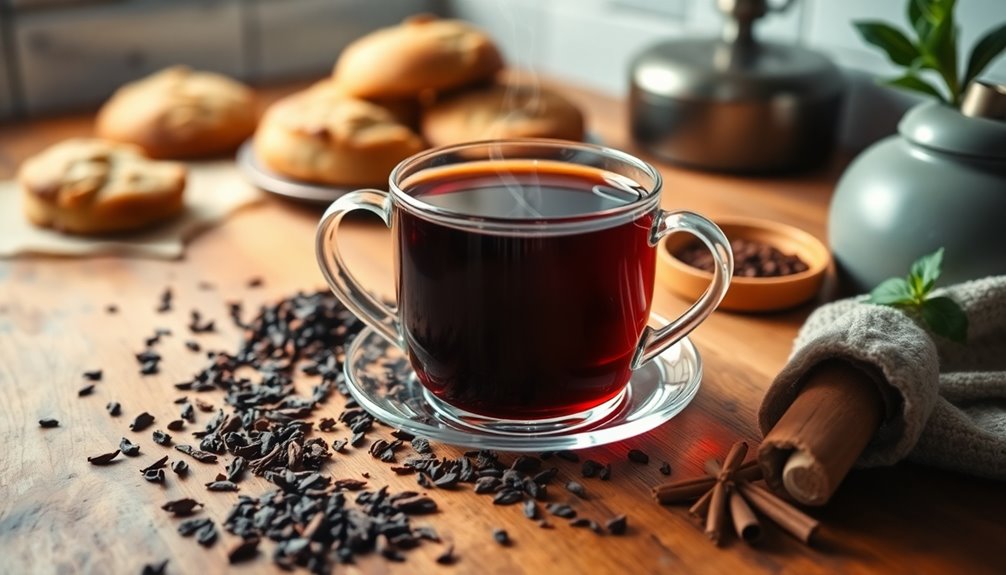

Discover how regional varieties and terroir shape black tea’s unique flavors. Your taste experience is influenced by factors like climate, soil, altitude, and processing methods, which differ across regions. For example, high-altitude areas produce floral, bright teas, while warmer regions yield full-bodied, malty brews. Understanding these regional traits reveals the rich diversity in black teas, and if you keep exploring, you’ll uncover even more about what makes each cup special.

Get coffee and tea gear delivered free — and shop member deals
- Fast, free delivery on millions of items
- Access to Prime Big Deal Days deals on October 6–7
- Prime Video, Amazon Music and more included
Key Takeaways
- Regional processing methods, such as sun-drying or indoor fermenting, create distinct flavor and aroma profiles in black teas.
- Terroir factors like climate, soil, and altitude influence tea flavor, appearance, and aromatic qualities.
- High-altitude regions like Darjeeling produce floral, bright teas, while warmer areas like Assam yield full-bodied, malty varieties.
- Harvesting techniques and timing, including hand-picking and seasonal plucks, impact the tea’s flavor complexity.
- Regional traditions and environmental conditions collectively shape the unique characteristics of black tea varieties worldwide.
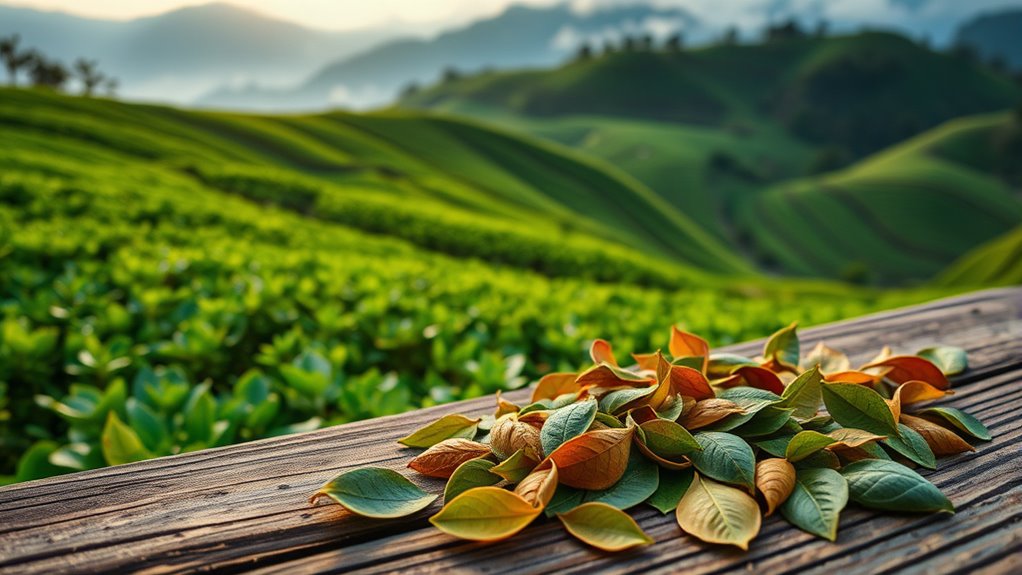
Black tea offers a diverse range of flavors and styles, making it a popular choice for tea lovers worldwide. The unique characteristics of each variety largely depend on regional factors and the specific methods used to produce it. One of the key influences is the tea processing methods, which determine the final taste, aroma, and appearance of your cup. Different regions employ distinct techniques—some may sun-dry the leaves, while others use more controlled indoor fermenting processes. These variations create a wide spectrum of flavors, from robust and malty to delicate and floral, highlighting the importance of regional traditions in shaping black tea profiles.
Regional processing techniques shape black tea’s diverse flavors and aromas.
Your experience with black tea is also deeply connected to the traditional harvesting techniques employed by local farmers. In some regions, hand-picking is the norm, allowing for selective plucking of the finest leaves, which results in a more refined and nuanced brew. In others, mechanical harvesting might be common, which can influence the leaf quality and, consequently, the flavor. The timing of the harvest plays a significant role too—whether it’s during the first flush, second flush, or later in the season—each offering distinct taste profiles that reflect the terroir of the region.
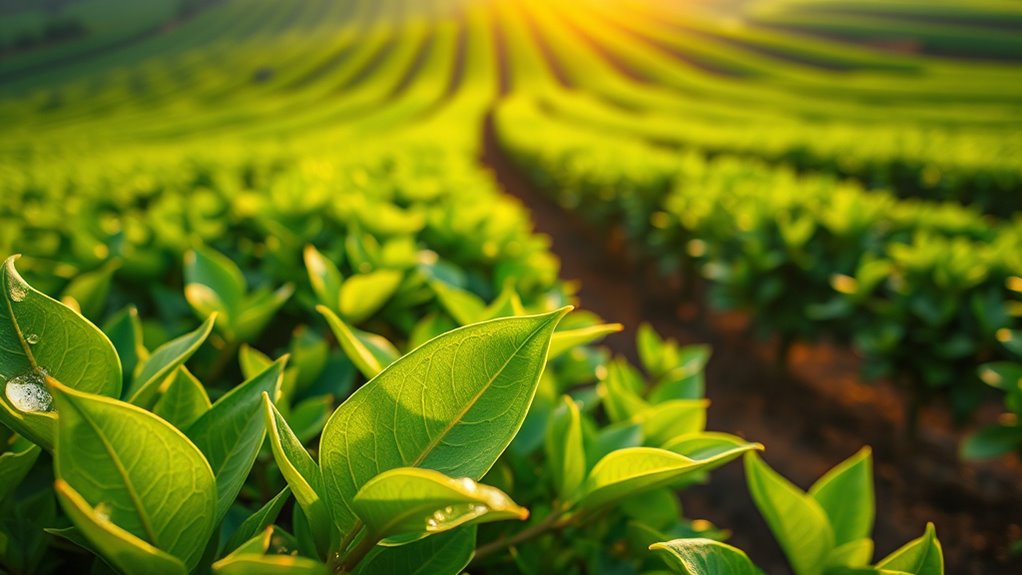
The concept of terroir encompasses the climate, soil, altitude, and even surrounding flora, all of which contribute to the unique flavor characteristics of black tea from different areas. For instance, teas from high-altitude regions like Darjeeling develop a bright, floral aroma, while teas from the warmer, more humid regions of Assam tend to be full-bodied and malty. The regional environment influences not only the flavor but also the appearance of the leaves, which can vary from tightly rolled to loosely twisted. Additionally, understanding the processing techniques used by different producers can significantly enhance your appreciation of the subtle differences in flavor and quality.
Understanding these regional differences allows you to appreciate how the origin and production techniques shape your tea experience. When you select a black tea, consider where it’s from and how it was processed—these details will give you insight into its flavor profile. Whether it’s a delicate Ceylon or a bold Keemun, recognizing the influence of regional terroir and traditional harvesting techniques helps deepen your connection to each cup. In essence, the diversity of black tea is a reflection of the rich cultural heritage and environmental conditions that define each region’s unique contribution to this beloved beverage.
As an affiliate, we earn on qualifying purchases.
Frequently Asked Questions
How Does Altitude Affect Black Tea Flavor Profiles?
Higher elevation considerably impacts black tea flavor profiles by enhancing flavor development. As you move to elevated areas, the cooler temperatures slow down the growth, allowing the tea leaves to develop more complex and nuanced flavors. This elevation impact results in teas with brighter, more aromatic notes and a smoother finish. So, when you choose black teas from high-altitude regions, you’re often getting a more refined, vibrant, and memorable tea experience.
What Role Does Soil Composition Play in Terroir?
Soil composition is the canvas shaping your black tea’s unique character. Think of it as the foundation where soil minerals and microbial activity paint vibrant flavors. Rich minerals like magnesium and potassium enrich the leaves, while lively microbes foster complex fermentation processes. Together, they influence aroma, taste, and body, making each cup a reflection of the land’s personality. Your tea’s terroir is truly a symphony of earth’s subtle, powerful notes.
How Do Regional Climates Influence Black Tea Characteristics?
You’ll notice that regional climates directly influence black tea characteristics by shaping the flavor, aroma, and strength. Warm, humid climates promote rapid growth and bold flavors, while cooler regions produce more delicate cups. Your tea harvesting techniques and cultural practices adapt to these climates, affecting leaf quality and processing methods. Embracing local climate conditions helps you craft distinctive teas that reflect the unique terroir, enhancing each sip’s complexity.
Are Certain Tea Cultivars Better Suited for Specific Regions?
Think of cultivars as travelers, each with a unique map of adaptability. You’ll find certain cultivars are better suited for specific regions, flourishing amidst local climate and soil conditions. These cultivars develop regional flavor traits that embody the land’s essence. By choosing the right cultivar for a region, you uncover a toast to terroir’s story, ensuring every cup resonates with the region’s true character and your personal taste.
How Does Processing Vary Across Different Black Tea Regions?
You’ll notice that processing techniques and fermentation methods differ across regions, shaping each black tea’s unique flavor. In some areas, you’ll find longer oxidation to develop richer, malty notes, while others use shorter fermentation for lighter, more delicate profiles. Techniques like withering, rolling, and firing vary widely, impacting aroma and taste. These regional processing differences give each black tea its distinctive character and appeal.
Conclusion
As you explore the world of black tea, remember that each regional variety is like a unique melody, shaped by its terroir. The flavors dance on your palate, telling stories of sun-drenched plantations and misty mountains. Embrace these teas as your passport to distant lands, where every sip is a symphony of nature’s craftsmanship. Let each cup inspire you to savor the rich tapestry woven by terroir and tradition.
Halloween Picks
halloween
As an affiliate, we earn on qualifying purchases.