
TL;DR
Open a free Amazon Business account
Business pricing, bulk buying and tax-exempt orders.
Create a free accountAs an affiliate, we earn on qualifying purchases.
Chinese tourists are making more trips to Korea, fueled by favorable currency exchange rates and the popularity of K-beauty. This trend is increasing retail spending in Korea, especially on beauty products. The development highlights economic benefits for Korea amid ongoing regional competition.
Chinese shoppers are increasingly traveling to Korea, motivated by favorable currency exchange rates and the strong appeal of K-beauty products, leading to a surge in retail spending in Korea. This trend underscores economic benefits for Korea amid regional competition and changing consumer behaviors.
Recent data indicates that the **favorable exchange rate between the Chinese yuan and the Korean won** has made shopping in Korea more attractive for Chinese tourists. Experts note that the **weaker yuan** relative to the won has increased the purchasing power of Chinese visitors, encouraging more trips.
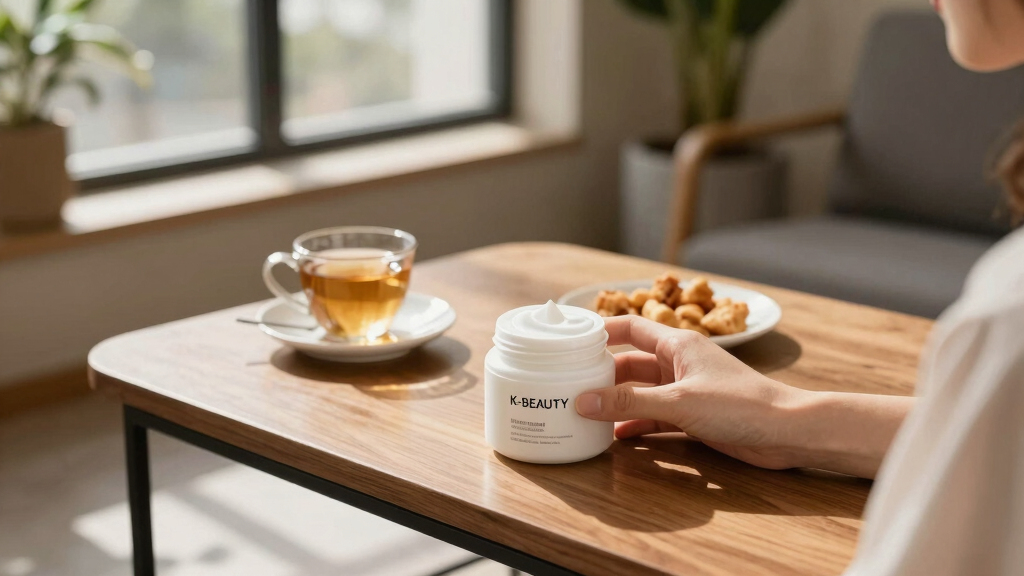
Additionally, the **popularity of K-beauty products** continues to drive Chinese consumer interest. Retailers report a significant uptick in sales of Korean skincare, cosmetics, and health products, particularly in major shopping districts like Seoul’s Myeongdong and Gangnam.
Tourism agencies and industry analysts confirm that **retail spending by Chinese tourists** has risen notably in recent months, with some estimates suggesting a double-digit percentage increase compared to previous periods. This growth is seen as a key factor in supporting Korea’s retail and hospitality sectors amid regional economic pressures.
Economic Impact of Increased Chinese Tourism to Korea
The rise in Chinese shopping trips to Korea, driven by currency advantages and K-beauty appeal, is providing a significant boost to Korea’s retail sector. This trend helps offset economic challenges and enhances regional economic ties, especially as China and Korea compete for tourism revenue. It also underscores the importance of currency exchange rates in shaping consumer behavior and cross-border commerce.
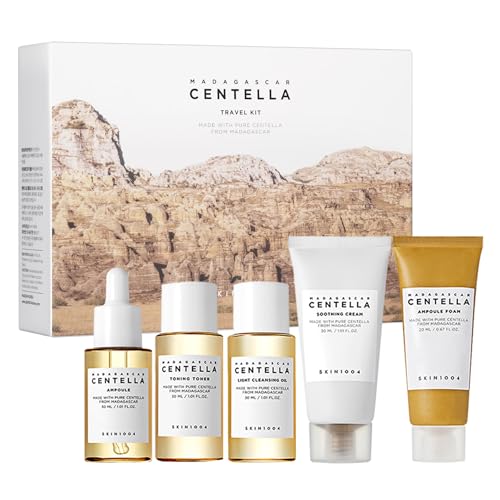
SKIN1004 Centella Travel Kit, Korean Skin Care Set of 5, Travel Size
- Travel-Friendly Size: TSA-compliant mini skincare essentials
- Complete Skincare Routine: Includes cleanser, toner, serum, moisturizer
- Enriched with Madagascar Centella: Calms, hydrates, and softens skin
As an affiliate, we earn on qualifying purchases.
As an affiliate, we earn on qualifying purchases.
Recent Trends in Cross-Border Shopping and Currency Fluctuations
Over the past year, fluctuations in the Chinese yuan have influenced travel and shopping patterns. The yuan weakened against the Korean won, making Korean goods more affordable for Chinese consumers. Concurrently, Korea’s reputation as a global hub for K-beauty and Korean culture has strengthened, attracting more tourists from China.
Prior to this trend, Chinese tourists were already a major source of retail revenue for Korea, but recent currency shifts have amplified their purchasing power. Industry reports from Korean retail and tourism sectors highlight a marked increase in Chinese visitor numbers and spending, especially since late 2023.
“We’ve seen a noticeable increase in sales of K-beauty products from Chinese tourists, especially in popular shopping districts.”
— Korean retail representative
Unconfirmed Factors and Future Risks
While data confirms increased Chinese tourism and retail spending, it is not yet clear how sustainable this trend is amid potential currency fluctuations or geopolitical developments. Additionally, the precise impact of regional competition and policy changes remains uncertain, and official tourism figures are still being compiled.
Monitoring Trends and Policy Developments
Authorities and industry stakeholders will continue to monitor tourism and retail data to assess the sustainability of this growth. Future policy adjustments, currency stabilization efforts, and regional economic shifts could influence the trajectory of Chinese shopping trips to Korea. Further official statistics are expected in the coming months.
Key Questions
How much has Chinese tourist spending increased in Korea?
While exact figures are still being compiled, industry reports suggest a double-digit percentage increase in retail spending by Chinese visitors over recent months.
What specific factors are driving Chinese shopping trips to Korea?
The primary drivers are the favorable currency exchange rate, which makes Korean goods more affordable, and the continued popularity of K-beauty products among Chinese consumers.
Are there any risks to this trend continuing?
Potential risks include currency fluctuations, regional geopolitical tensions, and changes in travel policies, which could impact Chinese tourist numbers and spending in Korea.
Which areas in Korea are most affected by this trend?
Major shopping districts such as Seoul’s Myeongdong and Gangnam are seeing the most significant increases in Chinese tourist activity and retail sales.
Will this trend impact Korea’s economy long-term?
If sustained, the trend could provide ongoing support to Korea’s retail and tourism sectors, especially amid regional economic uncertainties.
Source: rss
Labor Day sales Picks
labor day deals
As an affiliate, we earn on qualifying purchases.