If your Keurig coffee tastes off or bitter, it’s often due to mineral build-up, residue, or improper cleaning. Fortunately, most issues can be fixed with routine maintenance and proper brewing practices to restore that fresh, flavorful cup you expect.

Get coffee and tea gear delivered free with Prime
- Fast, free delivery on millions of items
- Prime Video, Amazon Music and more included
- Member-only deals all year
In this guide, we’ll walk you through the main causes of bad-tasting Keurig coffee and provide clear, safe steps to troubleshoot and improve your brew quality.
Key Takeaways
| Mineral Buildup | Descaling regularly prevents mineral deposits that affect taste. |
| Residue & Oils | Cleaning the brew unit removes oils and residue causing bitterness. |
| Water Quality | Using filtered water can significantly improve flavor. |
| Proper Maintenance | Routine cleaning ensures consistent taste. |
| Reusable Filter | Using a My K-Cup filter allows fresh ground coffee for better flavor. |
Step 1: Descale Your Keurig
- Fill the water reservoir with a descaling solution or a mixture of equal parts water and white vinegar.
- Run a brew cycle without a coffee pod, allowing the solution to flow through the machine.
- Repeat until the reservoir is empty, then rinse thoroughly by running 2-3 cycles with clean water.
Step 2: Clean the Brew Unit & Pod Holder
- Remove the brew basket and rinse it with warm, soapy water.
- Use a soft brush or cloth to clean the area where the pod sits, removing any oils or residue.
- Reassemble after drying thoroughly.
Step 3: Use Filtered or Fresh Water
Using filtered or fresh water for each brew reduces mineral deposits and improves taste. Always fill the reservoir with cold, clean water before brewing.
Step 4: Consider a Reusable Coffee Filter
Using a product like the My K-Cup® Reusable Coffee Filter allows you to brew your own ground coffee, which can be fresher and more flavorful than pre-packaged pods.
Tips & Warnings
- Perform descale every 3-6 months depending on water hardness.
- Avoid using harsh chemicals or abrasive cleaners inside your machine.
- Make sure to rinse out the water reservoir thoroughly after descaling.
- Always use cold, fresh water to prevent mineral buildup.
The Products in This Guide
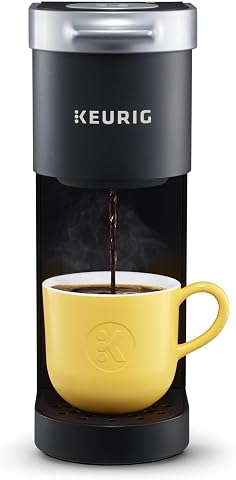
Keurig K-Mini Single Serve K-Cup Pod Coffee Maker
- ✔ Weight: 4 lbs
- ✔ Capacity: Removable drip tray fits 7-inch travel mugs
- ✔ Energy: Auto off after 90 seconds
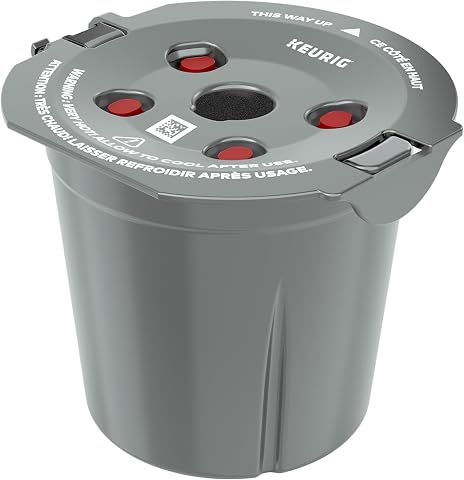
My K-Cup® Reusable Coffee Filter
- ✔ Size: Fits standard K-Cup holders
- ✔ Ease of Use: Simple to fill and clean
- ✔ Cost: Affordable
Keurig K-Mini Single Serve K-Cup Pod Coffee Maker
The Keurig K-Mini Single Serve K-Cup Pod Coffee Maker is a space-saving, efficient device perfect for small kitchens or offices. Regular cleaning and descaling will keep your brew tasting fresh and satisfying.
Pros:
- Compact size fits small spaces
- Brews 6-12 oz cups
- Easy to clean
- Removable drip tray
Cons:
- Limited brew size options
- No water filter built-in
- Requires frequent descaling in hard water areas
Best for: Small spaces, quick brewing, minimal countertop footprint
Not ideal for: Large households needing multiple cups at once
Bottom line: A compact, efficient coffee maker ideal for small spaces with easy maintenance.
My K-Cup® Reusable Coffee Filter
The My K-Cup® Reusable Coffee Filter allows you to brew your favorite ground coffee, offering control over strength and flavor while reducing waste from single-use pods.
Pros:
- Customizable coffee strength
- Cost-effective
- Eco-friendly
- Brews fresh ground coffee
Cons:
- Requires measuring ground coffee
- Cleaning can be slightly messier
- May take longer to brew
Best for: Coffee enthusiasts wanting fresh ground brew
Not ideal for: Infrequent users or those preferring pre-packaged pods
Bottom line: An excellent accessory for customizable, flavorful coffee brewing.
Frequently Asked Questions
Why does my Keurig coffee taste bitter or bad?
Common causes include mineral buildup, residue, or using poor-quality water. Regular descaling and cleaning help improve flavor.
How often should I descale my Keurig?
It’s best to descale every 3-6 months, especially if you have hard water, to prevent mineral deposits that can affect taste.
Can I use ground coffee instead of K-Cups?
Yes, using a reusable filter like the My K-Cup allows you to brew ground coffee, which often results in fresher, better-tasting beverages.
What should I do if my coffee still tastes bad after cleaning?
Ensure you thoroughly descale the machine, clean all removable parts, and use filtered water for brewing. If issues persist, consider replacing the water filter or contacting customer support.
Brew Perfectly Every Time
By following routine cleaning, descaling, and water quality tips, you can significantly improve the taste of your coffee brewed in your Keurig. Regular maintenance ensures your machine operates smoothly and your coffee tastes fresh and flavorful every time.
Affiliate disclosure: As an Amazon Associate we earn from qualifying purchases. Prices and availability are accurate as of the time of publishing.
Columbus Day / Indigenous Peoples' Day Picks
long weekend sales
As an affiliate, we earn on qualifying purchases.