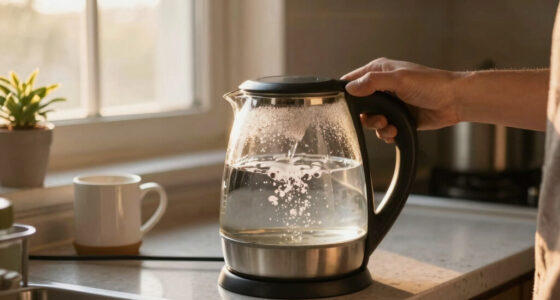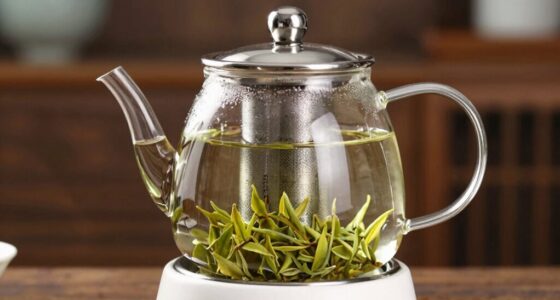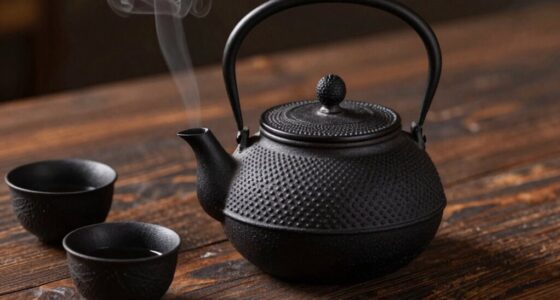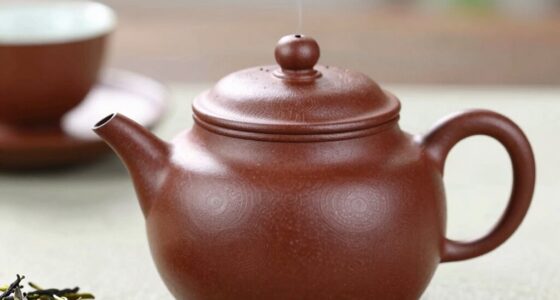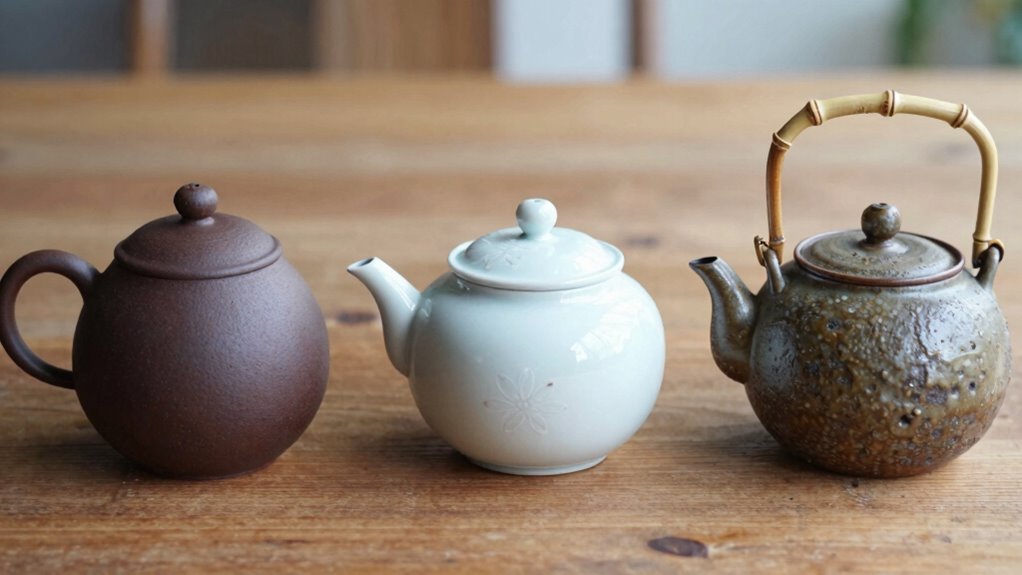

You might not realize that the design, material, and craftsmanship of Japanese Kyusu teapots affect your brewing style and flavor. For example, side handle Kyusu give you better control, while clay options develop seasoning over time, enhancing taste. Glass lets you watch your tea, and porcelain offers easier cleaning. Each type impacts heat retention and maintenance differently. Exploring these hidden differences can improve your tea experience—stick around to discover more about choosing the perfect Kyusu for you.
Listen free for 30 days with Audible
Thousands of audiobooks and originals — cancel anytime.
As an affiliate, we earn on qualifying purchases.
Key Takeaways
- Material type (clay, porcelain, glass) influences flavor development, heat retention, and maintenance needs of Kyusu teapots.
- Design features like side handles and shape affect pouring control and brewing style.
- Porous clay Kyusu develops seasoning over time, enhancing flavor and requiring specific cleaning practices.
- Glass Kyusu offers visual steeping monitoring, aiding precision and refinement of brewing techniques.
- Different materials and designs are tailored for specific teas and personal preferences, impacting overall tea experience.
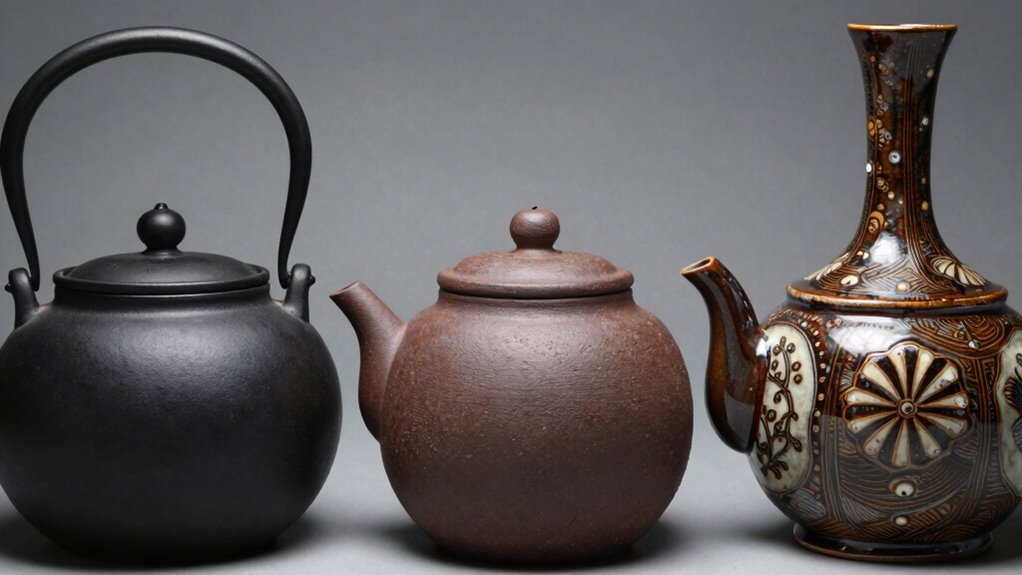
Are you curious about what makes Kyusu teapots so special for brewing Japanese tea? These traditional vessels aren’t just about aesthetics; they’re crafted to enhance your tea experience through specific design features. One key aspect that sets different types of Kyusu apart is how they influence tea brewing techniques. For instance, some Kyusu have a side handle, making it easier to pour with control, which is especially helpful when you’re aiming for precise steeping times and delicate flavor extraction. Others feature a more modern or rounded design that might suit different brewing styles. Knowing these differences helps you choose the right one for your preferred tea, whether it’s green, oolong, or herbal. Additionally, the material composition of the teapot can significantly impact heat retention and flavor development, making it an important factor to consider in your selection. For example, porous clay teapots can develop a unique seasoning that enhances flavor over time, adding an extra dimension to your tea brewing experience. Understanding the porous nature of these materials can help you better care for your teapot and optimize your brewing process. Regular use of a porous clay Kyusu can even lead to a more nuanced flavor profile with each brew, as the seasoning builds over time.
Discover how Kyusu design features influence brewing techniques for perfect tea every time.
When you’re exploring various types, you’ll notice that the material can vary widely—clay, porcelain, or even glass. Clay Kyusu, particularly those made from Tokoname or Banko ware, are prized for their porous nature, which allows the teapot to absorb and develop a seasoning over time. This seasoning can subtly influence the flavor of your tea, making each brew more nuanced. But with these benefits come specific teapot maintenance tips: you’ll want to rinse your clay Kyusu with warm water after each use, avoid soap, and let it air dry thoroughly to prevent mold. Porcelain or glass options require less maintenance, but you still should clean them gently to preserve their clarity and integrity. Proper maintenance of your Kyusu can ultimately help extend its lifespan and preserve the quality of your brews. Knowing how to care for different materials can also prevent damage from improper handling or cleaning methods. Additionally, some teapot designs are more suitable for certain tea types and brewing preferences, so understanding these design variations can further refine your selection process.
Understanding the differences between these types also guides your approach to tea brewing techniques. For example, a clay Kyusu’s porous surface retains heat well, allowing for a steady infusion, but it also means you should avoid sudden temperature changes that could crack the material. Conversely, glass Kyusu makes it easy to monitor the steeping process visually, which helps you refine your brewing style. Regular cleaning and careful handling are essential regardless of the type, as neglecting teapot maintenance tips can lead to lingering flavors or damage that affects your tea’s taste. Knowing the differences can help you enjoy your tea more fully and maintain your teapot’s functionality for years to come. In addition, selecting the right Kyusu can enhance your overall tea ritual, making each brewing session a more mindful and enjoyable experience. Properly choosing and caring for your Kyusu ensures you’ll be able to savor the full depth of flavors that each tea variety offers.

Japanese Teapot Kyusu Tokoname Youhen Clay Teapot 11.8 Fluid Ounces Fusen L161 (1)
- Capacity: 11.8 fl.oz. (350cc)
As an affiliate, we earn on qualifying purchases.
As an affiliate, we earn on qualifying purchases.
Frequently Asked Questions
How Do I Properly Clean and Maintain a Kyusu Teapot?
To properly clean and maintain your kyusu teapot, rinse it with hot water after each use to preserve teapot longevity. Avoid soap or detergents, as they can affect the taste. Use gentle cleaning techniques, like a soft brush or cloth, to remove any residue. Allow it to air dry completely before storing. Regular cleaning and careful handling guarantee your kyusu stays in excellent condition and enhances your tea experience.
Can I Use a Kyusu Teapot for Brewing Other Teas Besides Green Tea?
Sure, your kyusu teapot isn’t just a one-trick pony. You can absolutely brew alternative tea types like black, oolong, or herbal blends, showcasing its impressive teapot versatility. Ironically, many think it’s only for green tea, but its design works well with various teas, enhancing flavors and aroma. Just remember, using it across different tea types may require diligent cleaning to prevent flavor crossover.
What Are the Best Materials for a Durable Kyusu Teapot?
For a durable kyusu teapot, you should choose materials like clay or cast iron, which excel in material durability. Clay teapots are known for their excellent heat retention and aesthetic appeal, making them a popular choice. Cast iron teapots are incredibly sturdy and long-lasting. Both options offer beautiful teapot aesthetics, but clay often provides a more traditional look, while cast iron emphasizes strength and resilience.
How Does the Size of a Kyusu Affect Tea Flavor?
Imagine your kyusu as a tiny garden; a smaller size concentrates the soil, making each plant’s flavor richer. Similarly, a smaller kyusu enhances tea infusion, intensifying the flavor and aroma. Larger teapots, like sprawling fields, produce milder, more diluted brews. So, choosing size directly affects flavor enhancement: small for bold, concentrated infusions, and large for a gentler, more expansive tea experience.
Are There Traditional Customs Associated With Using a Kyusu Teapot?
Yes, there are traditional customs when using a kyusu teapot, especially during tea ceremonies. You’re encouraged to handle the teapot with care, often pouring with a gentle, steady motion to show respect. The kyusu holds cultural significance, symbolizing hospitality and mindfulness. During the tea ceremony, the way you prepare and serve tea reflects harmony and appreciation, making the ritual a meaningful experience that honors Japanese traditions.
Conclusion
As you explore the world of kyusu teapots, remember each type is like a different chapter in a story, revealing unique flavors and traditions. Your choice becomes a key to opening Japan’s cultural heritage, with each pour symbolizing a journey of discovery. Embrace the variety, and let your teapot be a vessel of tradition and personal connection, turning every brew into a meaningful moment — a silent whisper of centuries woven into every sip.
College move-in / dorm season Picks
dorm essentials
As an affiliate, we earn on qualifying purchases.