This guide provides clear instructions for students on how to choose, set up, and safely operate an electric kettle in a dorm room. It covers essential safety tips, proper usage, and troubleshooting to ensure convenience and safety during hot water tasks like making tea, coffee, or instant meals.
Difficulty: Beginner | Time: 15-20 minutes
What You’ll Need
Tools & Materials:
- Electric kettle with power cord
- Power strip (if needed)
- Water filter or tap water supply
Knowledge:
- Basic understanding of electrical safety
- Ability to read appliance labels and instructions
Check your dorm’s rules about using appliances before purchasing or setting up a kettle. Ensure your room has a power outlet near your designated spot for the kettle.
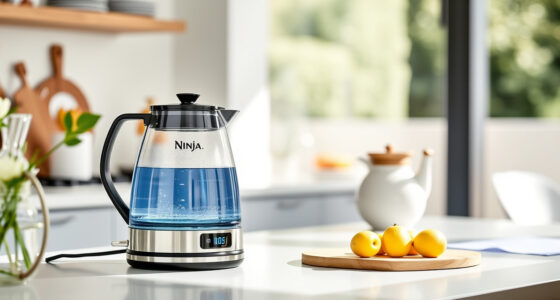
compact electric kettle with auto shut-off
As an affiliate, we earn on qualifying purchases.
As an affiliate, we earn on qualifying purchases.
Before You Start
Verify that the electric kettle is compatible with your dorm’s electrical outlets (usually 120V). Clear the space where you’ll place the kettle to prevent accidents. Read the manufacturer’s instructions that come with your kettle for specific safety guidelines.
Step-by-Step Instructions
Step 1: Select a suitable electric kettle
Choose a compact, automatic shut-off kettle with a power rating of 1500W or less. Prefer models with a boil-dry protection feature for safety.
Tip:
Opt for a kettle with a transparent water level indicator and a sturdy handle for ease of use.
Check:
You have selected a kettle that fits your needs and has safety features like auto shut-off and boil-dry protection.
Step 2: Place the kettle on a stable, heat-resistant surface
Set the kettle on a flat, stable surface away from edges, papers, or anything flammable.
Tip:
A countertop or a dedicated shelf works best; avoid placing it on uneven or soft surfaces.
Check:
The kettle sits flat and stable, with no risk of tipping over during operation.
Step 3: Fill the kettle with water
Remove the lid, open the water fill opening, and pour clean water up to the indicated level. Do not overfill.
Tip:
Use filtered or tap water; avoid adding any other liquids or substances.
Check:
The water level indicator shows the correct amount, and the kettle is filled without spills.
Step 4: Plug in the kettle
Connect the kettle’s power cord to a properly grounded electrical outlet. Use a power strip if necessary, but ensure it is rated for the kettle’s wattage.
Tip:
Do not use extension cords with inadequate power ratings; plug directly into the wall if possible.
Check:
The kettle is plugged in securely, and the power indicator (if available) is lit.
Step 5: Turn on the kettle
Press the power switch or button to start heating. Ensure the switch engages fully.
Tip:
If your kettle has a lid lock or safety features, verify they are engaged properly.
Check:
The kettle’s indicator light turns on or the kettle begins to heat, and water starts boiling within a few minutes.
Step 6: Wait for the water to boil
Allow the kettle to operate until it automatically shuts off or until you hear the boiling sound if manual shut-off is needed.
Tip:
Avoid opening the lid during boiling to prevent steam burns and ensure efficient heating.
Check:
The kettle turns off automatically or shows a visual indication that boiling is complete.
Common Mistakes to Avoid
- Overfilling the kettle beyond the maximum water level. — Always fill water below the maximum line indicated on the kettle to prevent spills and damage.
- Using a damaged or incompatible power outlet or extension cord. — Use properly grounded outlets rated for the kettle’s power, and avoid extension cords that can’t handle the wattage.
- Leaving the kettle unattended while boiling. — Always stay nearby during operation and rely on the automatic shut-off feature.
Troubleshooting
Problem: Kettle does not turn on or heat.
Solution: Check if the kettle is properly plugged in, the outlet works, and the power switch is fully engaged. Test the outlet with another device.
Problem: Water is not boiling or kettle turns off prematurely.
Solution: Ensure the kettle has enough water and is not overfilled. Verify the auto shut-off feature is functioning correctly.
Problem: Kettle makes strange noises or leaks.
Solution: Inspect for damage or debris inside the kettle. Do not continue use if damage is evident; replace if necessary.
What Success Looks Like
The kettle heats water efficiently and automatically shuts off when boiling is complete. Water is hot enough to make tea, coffee, or instant meals, and the kettle remains stable on the surface without leaks or damage.
Next Steps
Clean the kettle regularly by descaling if mineral buildup appears. Store it unplugged when not in use and avoid blocking the vents. Consider using it for daily hot water needs and check the power cord periodically for damage.
Frequently Asked Questions
Can I leave the kettle unattended while boiling?
Yes, if it has an automatic shut-off feature. Never leave it unattended if you’re unsure or if it lacks safety features.
How do I descale my electric kettle?
Mix equal parts water and vinegar, fill the kettle, bring to a boil, then let sit for 15-20 minutes. Rinse thoroughly afterward.
Is it safe to use an extension cord with my kettle?
Only if the extension cord is rated for the kettle’s wattage and has proper grounding. Preferably, plug directly into the wall outlet.
How often should I clean my kettle?
Descale every 1-3 months depending on water hardness and frequency of use.