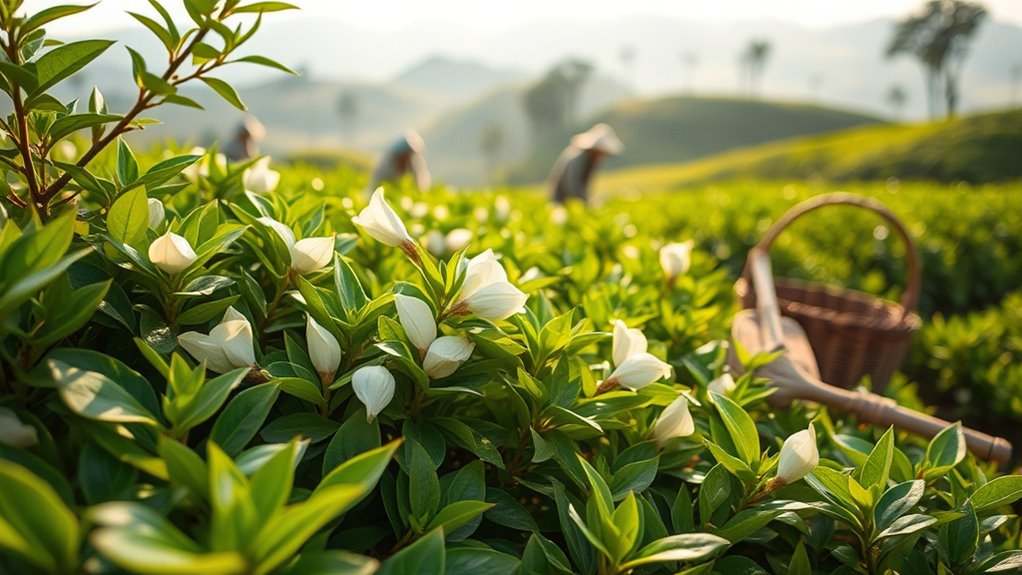

Choosing white tea from sustainable and ethically sourced farms guarantees you support fair wages, safe working conditions, and environmentally friendly practices. Certified organic and fair trade labels assure your tea is grown without harmful chemicals and with respectful treatment of workers. These methods promote soil health, conserve biodiversity, and lessen ecological impact. By opting for such tea, you’re helping to create a fairer, greener industry—discover more ways to make responsible choices for yourself and the planet.
Key Takeaways
- Certified organic white tea is grown using eco-friendly methods that protect soil health and biodiversity.
- Fair trade certification ensures fair wages and safe working conditions for tea farmers and workers.
- Sustainable cultivation employs crop rotation, composting, and natural pest control to reduce environmental impact.
- Ethical sourcing promotes transparent supply chains that support community development and fair labor practices.
- Consumers can support environmentally and socially responsible white tea by choosing products with eco-certifications and fair trade labels.
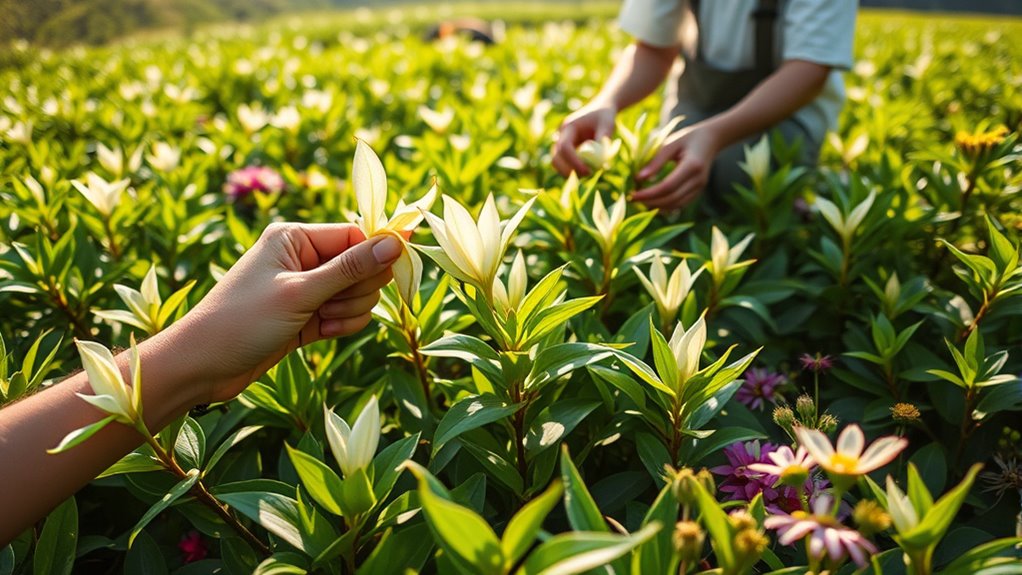
White tea’s delicate flavor and reputation for purity make its sustainable cultivation and ethical sourcing essential. When you choose white tea that’s sourced responsibly, you support both environmental health and fair labor practices. Fair trade certification ensures that farmers receive fair compensation for their hard work, which helps improve local communities and promotes sustainable farming methods. By opting for fair trade white tea, you’re encouraging ethical treatment of workers and contributing to a more equitable supply chain. Organic certification further guarantees that the tea is grown without harmful chemicals, pesticides, or synthetic fertilizers. This not only protects the environment but also guarantees that you’re drinking a product free from residues that could compromise your health.
Choose fair trade and organic white tea to support sustainable farming and ethical labor practices.
When you look for white tea labeled with fair trade or organic certification, you’re making a conscious decision that aligns with sustainable values. Fair trade standards require transparent trading relationships, fair wages, and safe working conditions. These practices help prevent exploitation and support small-scale farmers who may otherwise struggle to compete in the global market. Organic certification, on the other hand, emphasizes environmentally friendly farming practices that preserve soil health and biodiversity. It discourages the use of harmful chemicals, which can contaminate water sources and harm local ecosystems. By choosing organic white tea, you’re actively reducing your ecological footprint and promoting a healthier planet.
Sustainable cultivation isn’t just about certifications; it’s about supporting farming methods that respect nature and local communities. When farmers use organic practices, they often employ crop rotation, composting, and natural pest control techniques. These practices help maintain soil fertility and reduce pollution, ensuring that the land remains productive for future generations. Fair trade agreements also encourage long-term relationships between farmers and buyers, fostering investments in infrastructure, education, and community development. This approach helps create resilient farming communities that can withstand economic and environmental challenges. Additionally, choosing certified products helps consumers stay informed about the origins of their tea and supports sustainable farming methods.
Your choices as a consumer have a real impact. By selecting white tea with fair trade and organic labels, you’re endorsing practices that prioritize sustainability and ethical responsibility. It’s about more than just enjoying a cup of tea; it’s about supporting a system that values people and the planet equally. With every purchase, you contribute to a cycle that promotes fair wages, environmentally friendly farming, and the preservation of traditional cultivation methods. Ultimately, this ensures that the purity and delicacy you love about white tea are preserved not just in flavor but also in the way it’s grown and sourced.
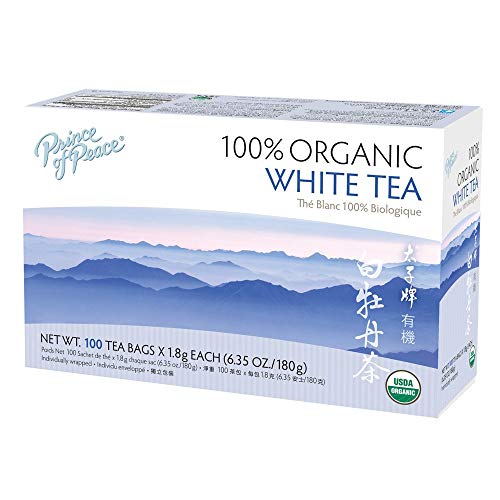
Prince of Peace® Organic White Tea 100ct
100% Organic White Tea Leaves
As an affiliate, we earn on qualifying purchases.
As an affiliate, we earn on qualifying purchases.
Frequently Asked Questions
How Does White Tea Cultivation Impact Local Biodiversity?
White tea cultivation can impact local biodiversity by potentially causing habitat loss, which leads to biodiversity loss in the area. When farms expand or change land use, native plants and animals may lose their homes. However, if you focus on habitat preservation through sustainable practices, you can minimize these impacts. Supporting farms that prioritize biodiversity helps protect ecosystems and maintain the natural balance around white tea plantations.
Are There Certifications to Verify White Tea’s Ethical Sourcing?
Yes, there are certifications to verify white tea’s ethical sourcing. You can look for Fair Trade certification, which guarantees fair wages and good working conditions for farmers. Organic Certification also assures the tea is grown without harmful chemicals, promoting environmental health. When buying white tea with these labels, you’re supporting sustainable farming practices and ethical treatment, making your choice environmentally friendly and socially responsible.
What Are the Common Challenges in Sustainable White Tea Farming?
You face common challenges like soil erosion, which can degrade land over time, and excessive pesticide use that harms the environment and your health. Managing these issues requires adopting eco-friendly practices, such as crop rotation and organic farming methods. By addressing soil erosion and reducing pesticide reliance, you can promote sustainable white tea farming that benefits your land, workers, and the planet, ensuring high-quality tea for future generations.
How Do Climate Changes Affect White Tea Quality and Yield?
Climate change impacts white tea by altering temperatures and rainfall, which can reduce crop resilience and lower quality. You need to focus on climate adaptation strategies to protect your crops, like selecting resilient tea varieties and adjusting harvesting times. These steps help maintain yield and quality despite unpredictable weather patterns. Staying proactive guarantees your white tea remains high-quality and sustainable, even as climate challenges evolve.
Can Consumers Easily Identify Sustainably Sourced White Tea?
You can’t always easily identify sustainably sourced white tea just by looking at it. Consumer awareness plays a big role, but labels aren’t always clear or transparent. To make informed choices, you need to seek out brands that prioritize labeling transparency, certifications, and ethical sourcing practices. By doing so, you actively support sustainable cultivation, guarantee quality, and enjoy your tea with confidence in its ethical origins.
Prince of Peace® Organic White Tea 100ct
100% Organic White Tea Leaves
As an affiliate, we earn on qualifying purchases.
As an affiliate, we earn on qualifying purchases.
Conclusion
By choosing white tea cultivated through sustainable and ethical practices, you’re planting seeds of change in the world. Your mindful selection nurtures the earth like a gentle gardener tending delicate blooms, ensuring future generations can enjoy its pure, tranquil essence. Every sip becomes a ripple in a pond of kindness, spreading harmony between nature and humanity. Remember, your choices today are the roots that grow a greener, more ethical tomorrow.
Prince of Peace® Organic White Tea 100ct
100% Organic White Tea Leaves
As an affiliate, we earn on qualifying purchases.
As an affiliate, we earn on qualifying purchases.

Soeos Organic White Tea, 100 Tea Bags, Individually Wrapped Teabags, Low Caffeine, Subtle Floral Aroma & Smooth Taste, Quality Tea for Everyday Brewing, Perfect for Hot or Iced Tea Lovers, 6.3oz (180g)
Delicate and Smooth Flavor – Soeos Organic White Tea offers a naturally mild and refreshing taste with subtle…
As an affiliate, we earn on qualifying purchases.
As an affiliate, we earn on qualifying purchases.