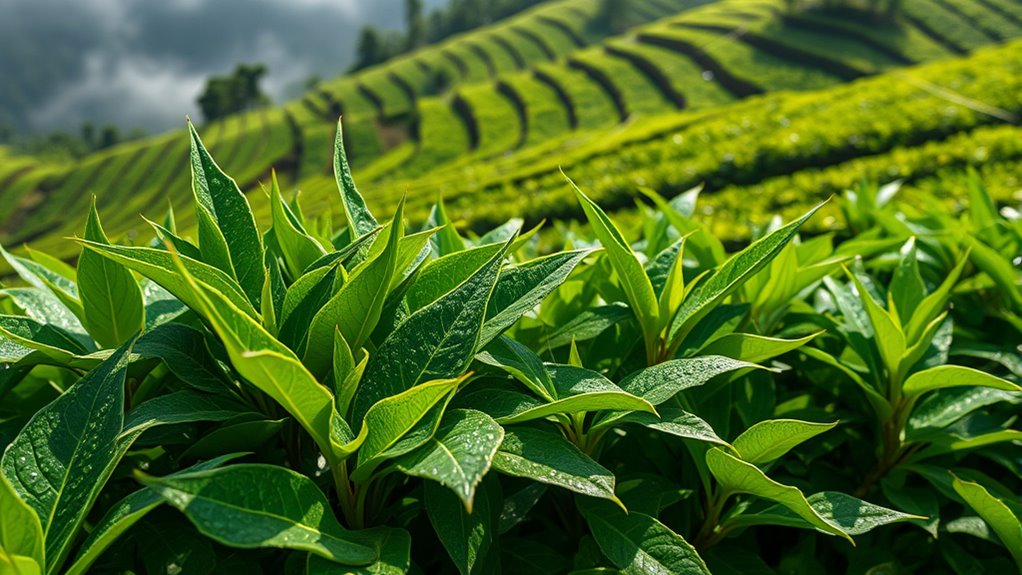

Chinese tea varieties are deeply influenced by regional terroirs, including climate, soil, and altitude, which shape their unique flavors and aromas. For example, Zhejiang’s Longjing offers a delicate, nutty taste, while Yunnan’s Pu-erh has an earthy, robust profile. Cultivation methods and local traditions also play a role in defining each region’s tea character. Exploring these regional differences reveals a rich tapestry of taste that you can uncover further as you explore more about Chinese teas.

Get coffee and tea gear delivered free with Prime
- Fast, free delivery on millions of items
- Prime Video, Amazon Music and more included
- Member-only deals all year
Key Takeaways
- Regional differences influence Chinese tea’s taste, aroma, and processing methods, shaping unique varieties like Longjing and Pu-erh.
- Terroir, including climate, soil, and altitude, plays a crucial role in developing distinct flavor profiles.
- Cultivation techniques vary regionally, with practices tailored to local environmental conditions and traditions.
- Geographic and cultural landscapes deeply impact tea characteristics and traditional processing methods.
- Specific regional terroirs create diverse Chinese tea varieties, reflecting the country’s rich heritage and natural environment.
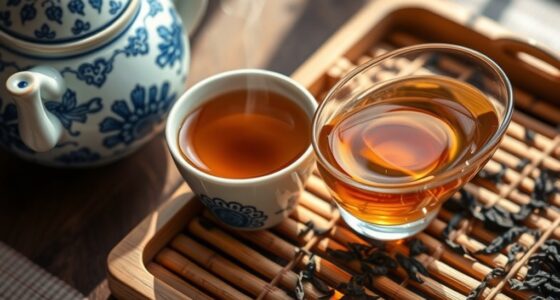
Chinese tea varieties are renowned for their rich flavors, diverse processing methods, and deep cultural significance. When you explore these teas, you’ll notice how regional differences influence every aspect, from taste to aroma. One of the key factors shaping these differences is the unique terroir of each region—climate, soil, altitude, and local practices all come together to create distinct characteristics. For example, the lush hills of Zhejiang produce Longjing, known for its delicate, nutty flavor, while the misty mountains of Yunnan give you Pu-erh with its earthy, robust notes. Understanding these regional nuances helps you appreciate the complexity behind each cup. Additionally, the specific climate conditions of each region contribute significantly to the development of unique flavor profiles in Chinese teas.
Tea cultivation techniques vary widely across China, reflecting both tradition and adaptation to local conditions. In some areas, farmers use traditional methods passed down through generations, carefully tending tea bushes by hand, ensuring quality and sustainability. These techniques often include precise pruning, shading, and plucking methods that influence the flavor profile. In regions like Fujian, you might find skillful pluckers harvesting young leaves at just the right time, a practice that enhances the freshness and aroma of the finished tea. Such meticulous cultivation not only preserves the integrity of the tea but also contributes to its regional identity.
Traditional Chinese tea cultivation emphasizes hand-tending, precise pruning, shading, and timely plucking to enhance flavor and regional identity.
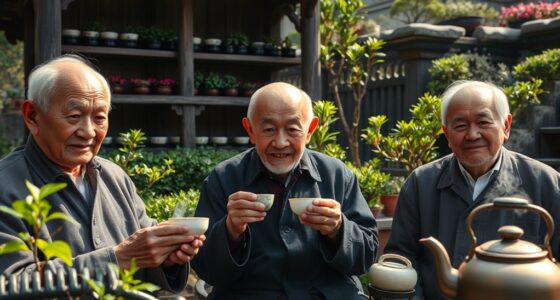
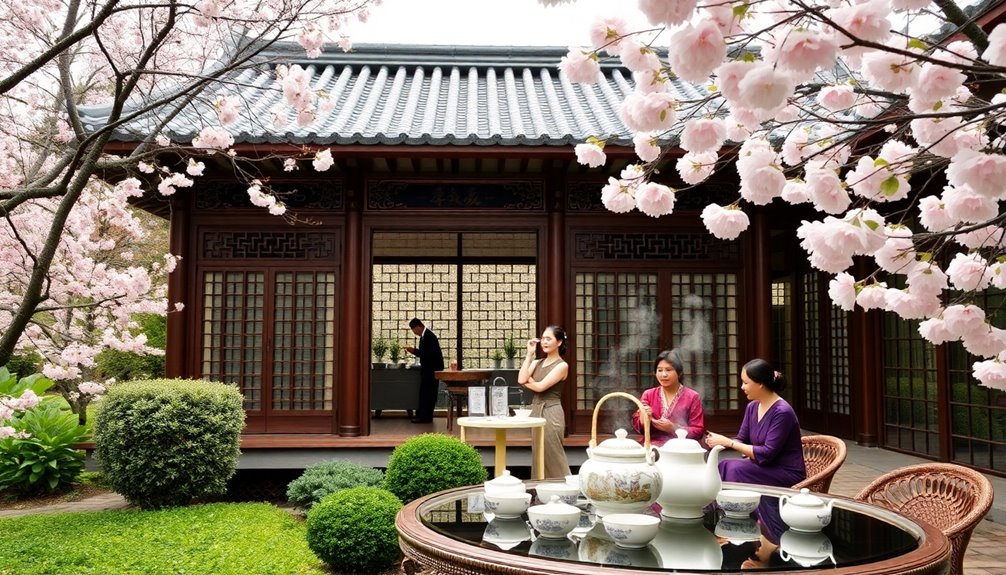
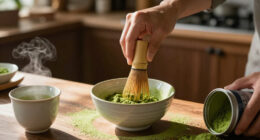
The cultural practices surrounding Chinese tea also play a significant role in shaping regional varieties. Traditional Chinese tea ceremonies are more than simple brewing; they are a reflection of history, philosophy, and social harmony. When you participate in these ceremonies, you learn to appreciate the subtlety of brewing techniques, the importance of water temperature, and the precise timing needed to bring out the tea’s best qualities. These rituals, often specific to certain regions, reinforce the unique character of each tea variety. For instance, Gongfu tea brewing emphasizes multiple infusions and precise control, highlighting the tea’s evolving flavors and aromas. Engaging in these ceremonies helps deepen your understanding of regional differences and the cultural significance behind each sip.
In essence, the regional varieties and terroir of Chinese tea are a testament to the country’s rich heritage and diverse landscapes. By paying attention to the distinct tea cultivation techniques and immersing yourself in traditional Chinese tea ceremonies, you gain a richer appreciation for how geography and culture influence every cup. These elements combine to give Chinese teas their unmatched depth and variety, inviting you to explore and savor their unique stories in every sip.
As an affiliate, we earn on qualifying purchases.
Frequently Asked Questions
How Does Climate Influence Tea Flavor Profiles Across Regions?
Climate influences tea flavor profiles markedly across regions. In different climate zones, temperature, humidity, and rainfall shape flavor development, giving each tea its unique taste. Warmer, humid areas tend to produce teas with a richer, more robust flavor, while cooler, drier climates yield lighter, more delicate notes. You’ll notice these differences in aroma, body, and aftertaste, reflecting how climate zones directly impact the flavor development process in Chinese teas.
What Soil Types Are Most Beneficial for High-Quality Chinese Teas?
You’ll find that well-drained, slightly acidic soils with rich mineral content are most beneficial for high-quality Chinese teas. Loamy soils, with a balanced mix of clay, sand, and organic matter, provide ideal soil composition, enhancing flavor and aroma. These soils allow roots to absorb essential nutrients, creating vibrant, complex teas. Think of it as the foundation for a masterpiece—without the right soil, your tea’s potential remains unrealized.
How Do Traditional Cultivation Methods Vary Among Chinese Tea Regions?
You’ll find that traditional cultivation methods vary widely among Chinese tea regions through handcrafting techniques and regional harvesting practices. In some areas, you might see meticulous plucking by hand, selecting only the tender leaves, while others use specialized tools. Harvesting times also differ, aligning with local climate cycles. These regional differences shape the unique flavors and qualities of each tea, reflecting local traditions and environmental conditions.
What Role Does Altitude Play in Tea Growth and Taste?
Altitude effects your tea’s growth by slowing down its development, which allows for richer flavor development. Higher elevations typically produce teas with more delicate, complex tastes because the cooler temperatures and thinner air stress the plants slightly, enhancing aroma and flavor. You’ll notice these teas often have a brighter, more vibrant character, and the slower growth process results in a more nuanced and refined cup.
How Do Local Cultural Practices Impact Tea Processing Methods?
Your local cultural practices shape tea processing more than anything else. They influence fermentation techniques and drying practices, turning ordinary leaves into extraordinary brews. These traditions, passed down through generations, embed unique flavors and aromas, making each tea a reflection of its community. When you embrace these methods, you’re not just drinking tea—you’re tasting history, culture, and the soul of the people who cherish every step of the process.
Conclusion
Discovering diverse Chinese teas delights your senses and deepens your devotion. From the fragrant fields of Fujian to the lush landscapes of Yunnan, each variety offers a unique experience rooted in rich terroirs. By exploring these regional renditions, you enrich your understanding and elevate your tea journey. So, savor the subtle stories steeped in soil, season, and skill—because every sip reveals a splendid, storied spectacle of Chinese tea’s enthralling character.
Halloween Picks
halloween
As an affiliate, we earn on qualifying purchases.