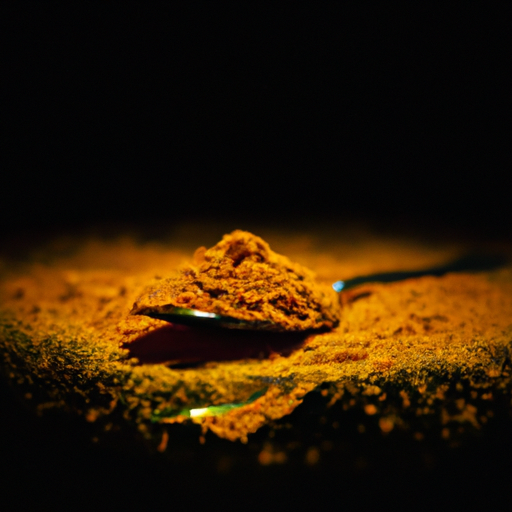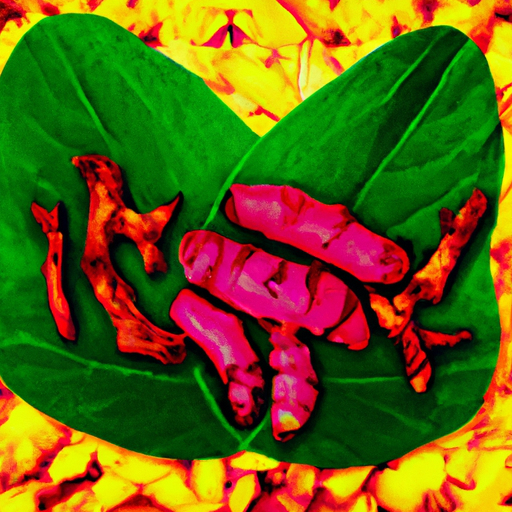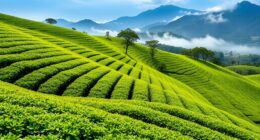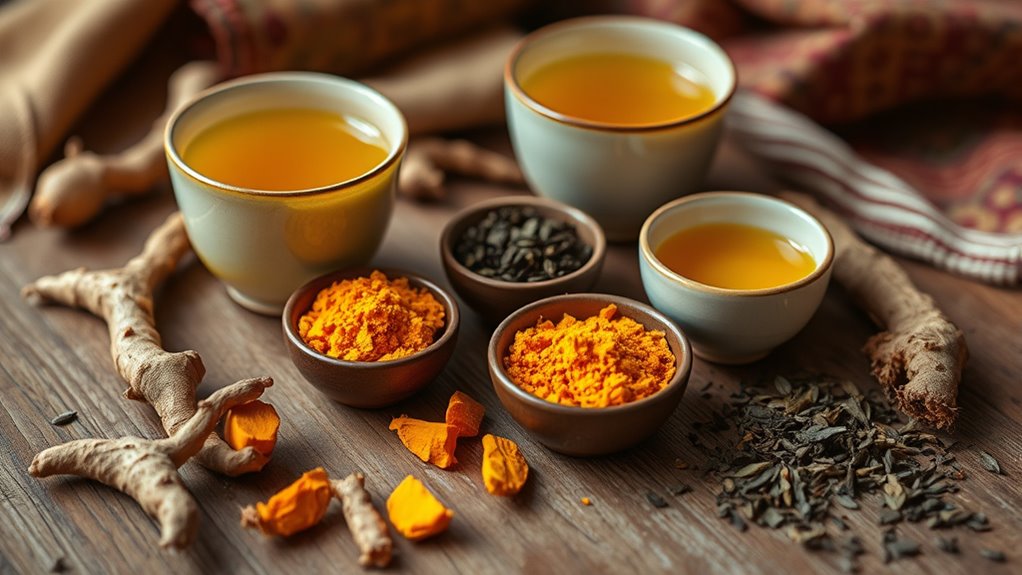
Regional varieties and terroir greatly influence turmeric tea’s flavor, aroma, and color. Factors like soil composition, climate, and farming practices shape each region’s unique profile. For example, Indian turmeric offers earthy, complex notes, while Thai and Indonesian varieties tend to be sweeter and more aromatic. Recognizing these differences helps you appreciate the subtle nuances in each cup. If you want to explore how landscape and tradition craft these distinct flavors, there’s more to discover ahead.
Key Takeaways
- Regional soil and climate conditions impart unique flavor, aroma, and color profiles to turmeric tea varieties.
- Indian turmeric offers earthy and citrus notes, while Thai and Indonesian varieties are sweeter and more aromatic.
- Harvesting timing and techniques influence flavor intensity and health properties of regional turmeric teas.
- Local farming practices and traditional methods contribute to distinct taste and sensory qualities.
- Understanding terroir helps in selecting and appreciating the diverse cultural and natural influences on turmeric tea.
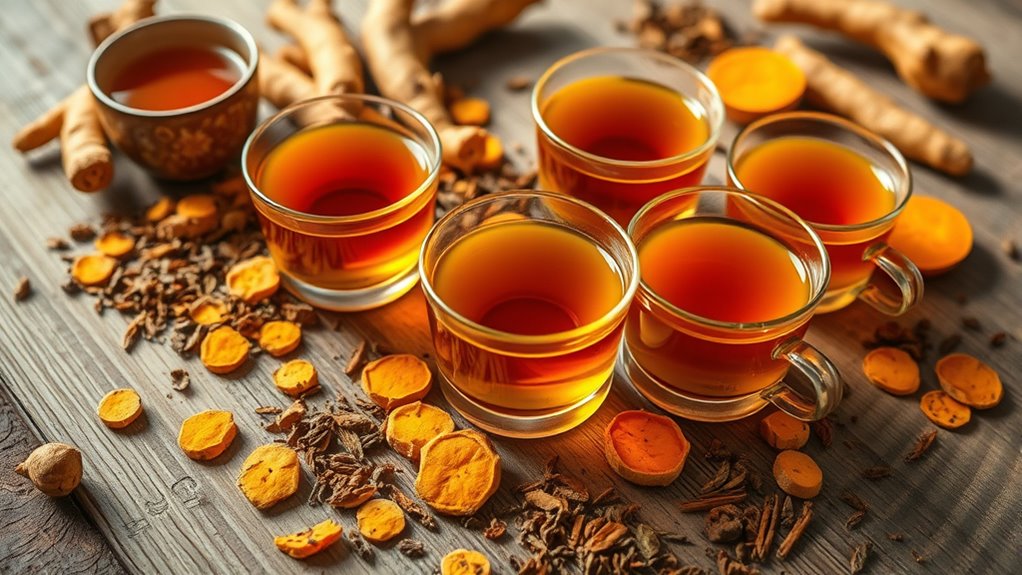
Turmeric tea has gained popularity for its vibrant flavor and health benefits, offering a variety of blends to suit different tastes. As you explore these options, you’ll notice how regional varieties and the specific terroir influence the unique characteristics of each brew. One of the key factors that shape turmeric’s flavor profile is the harvesting techniques used during cultivation. In regions like India and Southeast Asia, farmers often harvest turmeric at different stages of maturity, which impacts the intensity of its earthy, slightly bitter notes. For example, early harvests tend to preserve a milder, more delicate flavor, while fully matured rhizomes develop a robust, pungent profile. These techniques also determine the moisture content and overall quality of the turmeric, affecting how it interacts in your tea. Picking turmeric at just the right time guarantees you get the ideal balance of flavor and potency, which is vital when crafting a tea that’s both flavorful and healthful. Additionally, the harvesting techniques directly influence the chemical composition of the turmeric, further shaping its health-promoting properties.
The flavor profiles of turmeric tea varieties are deeply rooted in the soil, climate, and farming practices of their regions. In India’s southern states, where turmeric has been cultivated for centuries, the soil’s richness and the warm, humid climate create a vibrant, earthy base with hints of ginger and citrus. Conversely, in Thailand or Indonesia, the terroir imparts a slightly sweeter, more aromatic note to the turmeric, often complemented by local herbs and spices. These regional nuances mean that no two turmeric teas are exactly alike, even if they share the same main ingredient. When you sip on a turmeric tea from Sri Lanka, you might experience a subtle sweetness and a smooth finish, while a blend from Myanmar could offer a more pungent, spicy kick. This diversity stems from the unique combination of soil composition, altitude, and local farming techniques, all of which shape the final flavor profile you enjoy.
Understanding these regional and terroir influences can help you select the right turmeric tea to match your taste preferences. Whether you prefer a mild, sweet note or a bold, spicy punch, recognizing the origins and harvesting methods behind your tea allows you to appreciate its complexity. As you experiment with different varieties, pay attention to how the regional characteristics influence not just flavor but also the aroma and color of your brew. This knowledge enriches your tea experience, making each cup a journey through diverse landscapes and traditions. Ultimately, the regional varieties and terroir of turmeric tea offer a rich tapestry of flavors, inviting you to explore and savor the unique qualities that each region brings to your favorite wellness beverage.

ORGANIC INDIA Tulsi Turmeric Ginger Herbal Tea – Stress Relieving & Harmonizing, Immune Support, Aids Digestion, Vegan, Caffeine-Free – 18 Infusion Bags, 6 Pack
STRESS-RELIEVING ADAPTOGEN: Features Tulsi Holy Basil, an adaptogen renowned for its ability to help the body and mind…
As an affiliate, we earn on qualifying purchases.
As an affiliate, we earn on qualifying purchases.
Frequently Asked Questions
How Does Altitude Affect Turmeric Tea Flavor Profiles?
Altitude effects markedly influence turmeric tea flavor profiles. When you grow turmeric at higher altitudes, the cooler temperatures and thinner air can enhance the spice’s earthy and aromatic qualities, leading to a more complex flavor variation. Conversely, lower altitudes may produce a milder, less intense taste. So, if you’re seeking a richer, more layered turmeric tea experience, consider sourcing or cultivating turmeric from higher elevations.
Are There Traditional Brewing Methods Unique to Specific Regions?
Imagine a secret recipe passed down through generations, like a sacred dance unique to each region. You’ll find that traditional brewing methods embody regional rituals, with specific spices, water temperatures, and steeping times. These customs, like a cultural tapestry, shape turmeric tea’s flavor and experience. Embrace these regional techniques, and you’ll reveal authentic tastes rooted in tradition, making each cup a journey into local heritage.
What Environmental Factors Influence Turmeric’s Medicinal Properties?
Environmental factors like soil composition and climate variations directly influence turmeric’s medicinal properties. You’ll find that rich, well-drained soils with suitable pH levels boost the plant’s active compounds, while consistent warmth and sunlight enhance its potency. When you grow turmeric in perfect conditions, you maximize its health benefits, ensuring the active curcumin and other phytochemicals remain potent. So, paying attention to these factors helps you produce higher-quality, more effective turmeric.
How Do Local Spices Alter Regional Turmeric Tea Recipes?
You’ll find that local spices markedly alter regional turmeric tea recipes, creating unique flavor profiles. For example, a spice blend with cardamom and cinnamon can boost antioxidant properties by 20%, making your tea more healthful. These spice blends introduce diverse flavor variations, reflecting local culinary traditions. By experimenting with regional spices, you can enjoy a personalized turmeric tea experience that highlights regional tastes and enhances its medicinal benefits.
Is There a Cultural Significance to Turmeric Tea in Different Areas?
You’ll find turmeric tea holds deep cultural significance in various areas, often linked to cultural rituals and traditional ceremonies. In some communities, it’s used during festivals or healing practices, symbolizing health and prosperity. By participating in these traditions, you connect with local history and beliefs. The tea’s role in such rituals highlights its importance beyond flavor, serving as a meaningful part of cultural identity and communal bonding.

Traditional Medicinals Organic, Turmeric Tea with Ginger & Meadowsweet – Supports Normal Response to Inflammation – Kosher, Non-GMO, Caffeine-Free, Compostable – 16 Tea Bags
Herbal wellness: Organic Turmeric tea supports a healthy response to inflammation associated with an active lifestyle*
As an affiliate, we earn on qualifying purchases.
As an affiliate, we earn on qualifying purchases.
Conclusion
As you sip this vibrant elixir, you’re tasting a tapestry woven from the earth’s rich tapestry, each regional variety whispering its unique story. Turmeric tea is a symphony of terroirs—each note shaped by soil, climate, and tradition—like a garden of flavors blooming in your cup. Embrace these layered nuances, and let each sip carry you on a journey through land and culture, revealing that within this brew lies the soulful essence of its origins.
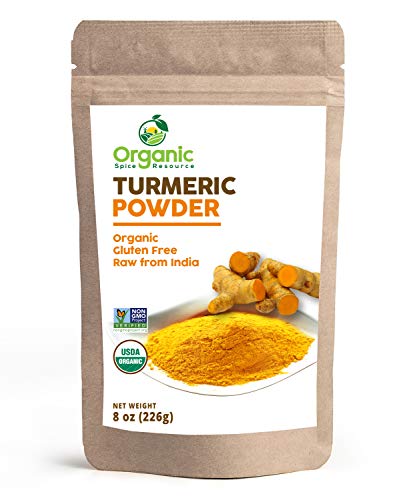
Organic Spice Resource Turmeric Root Powder, 8 oz (226 g)
PREMIUM USDA ORGANIC Turmeric POWDER (Curcumin Longa) – Our Gluten Free Organic Turmeric Root Powder is packed in…
As an affiliate, we earn on qualifying purchases.
As an affiliate, we earn on qualifying purchases.
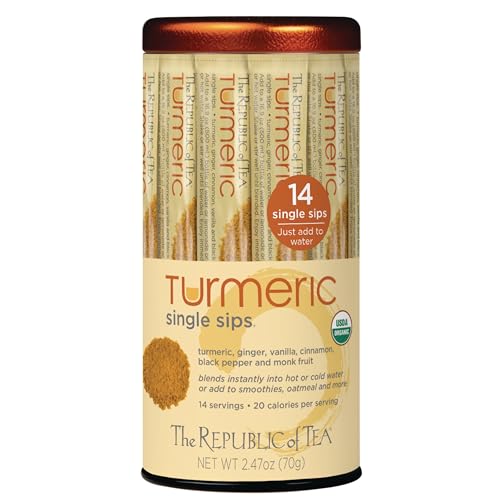
The Republic of Tea Organic Turmeric Single Sips, Instant Turmeric Herbal Tea (14 Single-Serve Packets)
Premium Tea
As an affiliate, we earn on qualifying purchases.
As an affiliate, we earn on qualifying purchases.