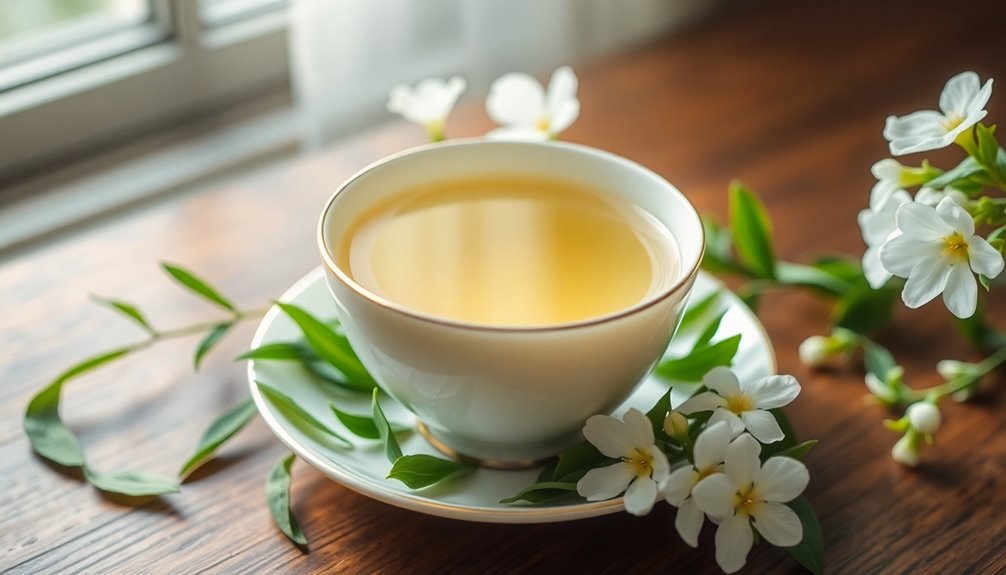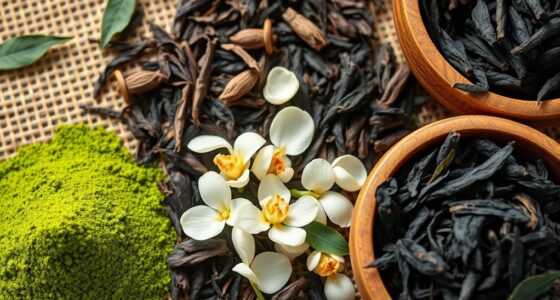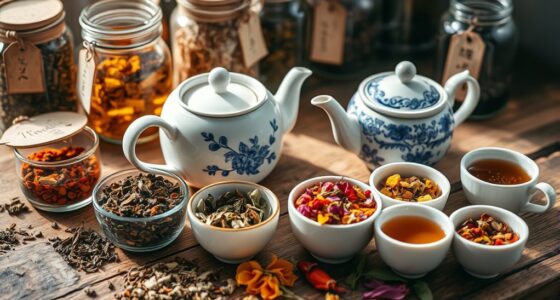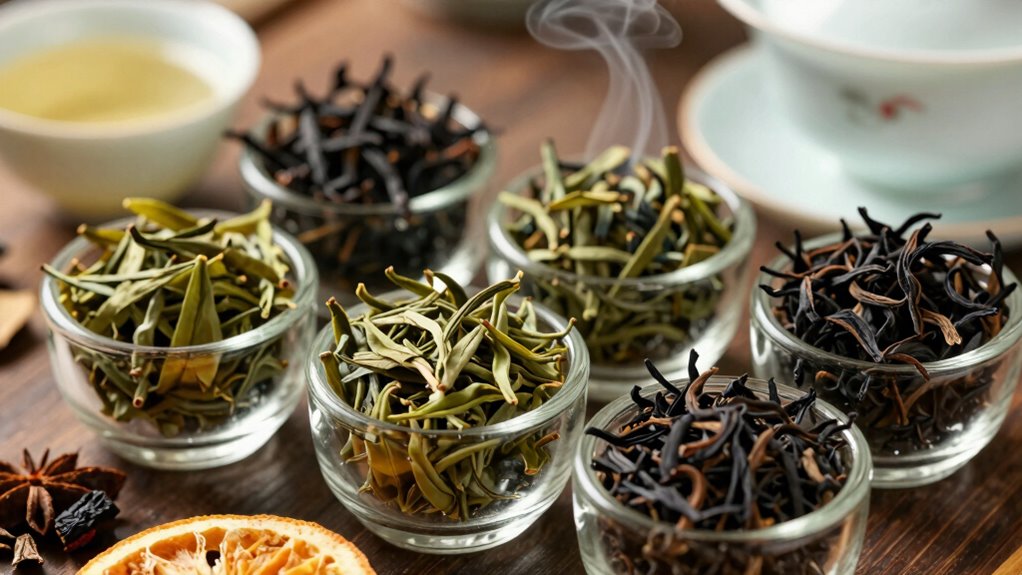

Most tea lovers miss the incredible diversity beyond familiar varieties like black or green tea. Lesser-known types like white, oolong, pu-erh, yellow, and purple teas offer unique flavors shaped by specific regions, cultivation methods, and processing techniques. These teas reflect distinct cultural traditions and environmental factors that influence taste, aroma, and texture. If you explore these hidden gems, you’ll discover a richer, more complex world of tea waiting to be appreciated fully.
Open a free Amazon Business account
Business pricing, bulk buying and tax-exempt orders.
As an affiliate, we earn on qualifying purchases.
Key Takeaways
- Many tea lovers stick to familiar varieties, missing out on unique flavors from lesser-known teas.
- The influence of specific cultivation methods and regional practices on flavor profiles is often overlooked.
- The diversity of processing techniques like fermentation and oxidation creates a wide range of sensory experiences.
- Exploring regional and cultural origins enhances appreciation for the distinctiveness of different teas.
- Discovering lesser-known teas broadens understanding of tea craftsmanship, biodiversity, and sustainable cultivation.
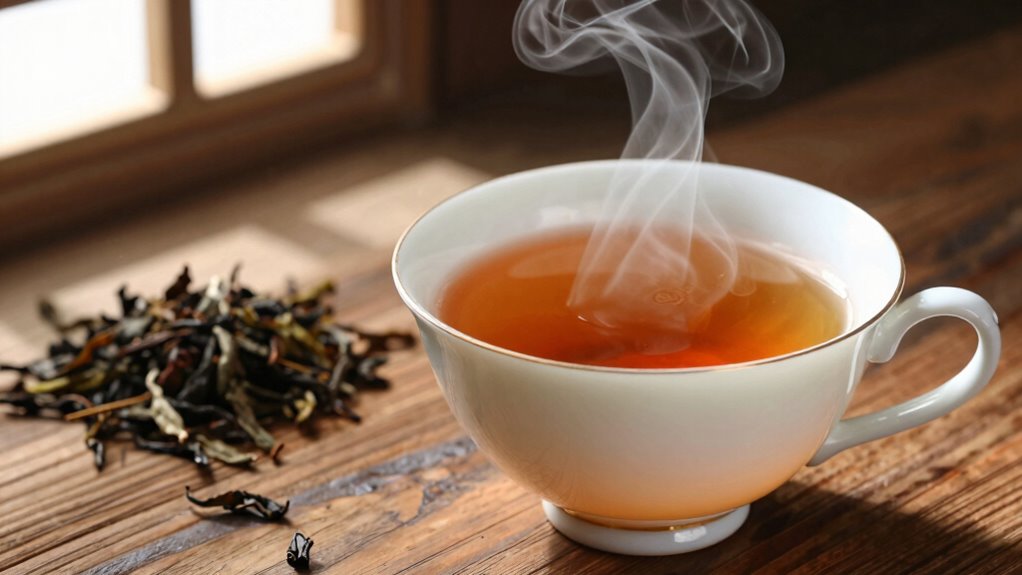
Tea lovers often stick to familiar varieties like black or green, but there’s a whole world of lesser-known types waiting to be explored. Many of these teas come from unique regions with distinct cultivation methods, shaping their flavor profiles in ways you might not have encountered before. When you explore different tea types, you discover how tea cultivation influences not only the taste but also the aroma and texture of each brew. For example, the altitude, soil, and climate of the growing region play a significant role in developing complex flavors that go beyond the standard expectations of black or green teas.
While most people know about the traditional teas, they often overlook the diversity within tea cultivation. For instance, white teas are minimally processed, preserving delicate, subtle flavors that can be floral, fruity, or sweet. Oolongs, which undergo partial oxidation, showcase a wide spectrum of flavor profiles—from creamy and buttery to roasted and fruity—depending on how they’re processed. Pu-erh teas, originating from China, undergo fermentation, offering earthy, rich, and sometimes woody notes that evolve over time. These teas reveal the depth and range that can be achieved through different cultivation techniques and processing methods.
Understanding the flavor profiles of these lesser-known teas can transform your appreciation for tea as a craft. Each type reveals a story of its origin, reflecting the terrain, climate, and cultural practices of its region. When you venture into teas like yellow or purple teas, you’ll find unique taste sensations—yellow teas have a mellow, sweet character, while purple teas deliver a slightly herbal, berry-like flavor. These teas often come from specific areas where traditional cultivation methods are maintained, ensuring the preservation of their distinctive qualities. Additionally, exploring these lesser-known varieties can deepen your appreciation for the regional differences in cultivation, which influence tea characteristics. Recognizing how cultivation techniques impact flavor can help you better understand and select teas that suit your palate. Moreover, learning about the biodiversity involved in tea cultivation can enhance your overall understanding of sustainable practices and the importance of preserving diverse ecosystems. Embracing these lesser-known types can also lead to discovering new flavor profiles that expand your sensory experience beyond familiar teas.

Davidson's Organics, Himalayan White, Loose Leaf Tea, 16-Ounce Bag
- Type of Tea: Himalayan White Loose Leaf Tea
- Flavor Profile: Floral with a sweet finish
- Origin: Farmed in India
As an affiliate, we earn on qualifying purchases.
As an affiliate, we earn on qualifying purchases.
Frequently Asked Questions
How Do Different Water Qualities Affect Tea Flavor?
Different water qualities considerably influence your tea’s flavor. Water mineral content, like calcium and magnesium, can enhance or dull certain notes, while a high mineral level might make your tea taste bitter or flat. The pH level influence matters too; alkaline water can mute flavors, whereas slightly acidic water brightens them. Using pure, balanced water helps reveal the tea’s true aroma and taste, elevating your overall tea experience.
Can Aging Improve Certain Types of Tea?
Yes, aging can improve certain types of tea, especially fermented varieties like pu-erh. During tea fermentation and proper tea storage, complex flavors develop, mellowing sharpness and adding depth. As you store tea over time, the unique aging process enhances aroma and taste, making it more refined. Proper storage is essential to controlling moisture and temperature, ensuring your tea ages gracefully and delivers a richer, more nuanced experience.
What Are the Health Benefits of Rare or Lesser-Known Teas?
Imagine opening a treasure chest of health benefits with rare teas. Herbal infusions boost your immune system and soothe your mind, like a gentle lullaby for your body. Fermented teas, with their complex flavors, act as probiotics, supporting gut health and digestion. These lesser-known teas are like secret keys to energy, offering antioxidants and unique compounds that mainstream teas often overlook, enriching your wellness journey in unexpected ways.
How Does Altitude Influence Tea Cultivation and Taste?
Altitude effects profoundly influence tea cultivation and taste. As you explore different teas, you’ll notice that higher altitudes often produce more complex flavors due to cooler temperatures and slower leaf growth. These conditions enhance the tea’s aroma, brightness, and nuanced notes. You’ll find that teas grown at high elevations tend to be more delicate, vibrant, and aromatic, offering a richer, more refined tea experience that many tea lovers might overlook.
Are There Traditional Brewing Techniques Unique to Specific Tea Regions?
You might discover that specific regions have cherished brewing techniques, like China’s delicate gongfu tea ceremony or Japan’s precise matcha whisking, which are deeply rooted in their cultural heritage. These traditional methods elevate the tea experience, transforming simple brewing into an art form. By embracing these regional rituals, you connect more intimately with the history and soul of each tea, uncovering nuances often missed with modern, hurried approaches.
Conclusion
Remember, the devil’s in the details, and exploring all tea types can uncover new flavors and experiences you never knew existed. Don’t stick to just one kind—try green, black, oolong, and herbal teas to truly appreciate their unique qualities. By broadening your palate, you’ll find a richer, more satisfying tea journey. After all, variety is the spice of life, and in tea, it’s the secret to endless enjoyment.
Labor Day sales Picks
labor day deals
As an affiliate, we earn on qualifying purchases.