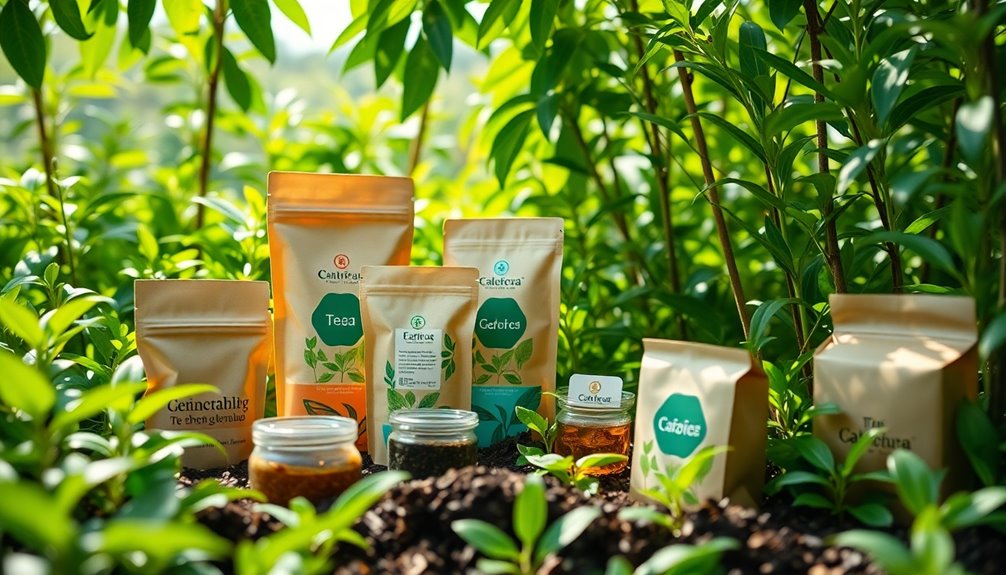
Regulations are markedly shaping the tea industry by enforcing stricter safety, quality, and sustainability standards. You’ll see companies adapt their sourcing, implement advanced testing, and adopt eco-friendly practices to meet new compliance rules. These shifts boost transparency, traceability, and consumer trust, while also spurring innovation in organic production and sustainable packaging. As regulations continue evolving, staying informed helps you understand how industry trends and new innovations develop—there’s more to discover beyond the surface.
Key Takeaways
- Stricter regulations drive the adoption of sustainable cultivation and eco-friendly packaging practices in the tea industry.
- Enhanced testing and certification processes improve product quality, safety, and consumer trust.
- Regulatory compliance fosters innovation in organic and ethically sourced tea products.
- Industry players invest in advanced monitoring tools to ensure traceability and responsible sourcing.
- Continuous regulatory updates promote leadership through sustainable practices and transparent supply chains.

Regulations are shaping the future of the tea industry in significant ways, influencing everything from cultivation practices to packaging standards. As a stakeholder in this industry, you need to understand how these rules impact your operations, particularly in the areas of supply chain management and quality standards. Governments and international bodies are implementing stricter regulations to ensure safety, sustainability, and fairness, which forces you to adapt quickly. You might find yourself revising sourcing protocols to meet new compliance requirements, ensuring that every step of the supply chain adheres to safety standards and ethical practices. This could mean more rigorous documentation, testing, and certification processes before your tea reaches consumers. These regulations are designed to create transparency and trust, but they also add layers of complexity, requiring you to stay updated on evolving policies to avoid penalties or reputational damage. Additionally, the incorporation of advanced testing equipment can help ensure compliance with these standards more efficiently.
Regulations shape the tea industry, requiring compliance in supply chains and quality standards to ensure safety and transparency.
When it comes to quality standards, regulations push you to produce higher-quality products consistently. You’re expected to meet specific parameters related to pesticide use, contamination levels, and traceability. This ensures that your tea is safe and of a high caliber, meeting consumer expectations and regulatory demands alike. To comply, you may need to invest in better quality control measures, such as advanced testing equipment or third-party audits. These standards aren’t just bureaucratic hurdles; they serve as a competitive edge, allowing you to differentiate your tea in a crowded market. Consumers increasingly prefer products that are transparent about their origins and safety, and regulations help you deliver on that promise.
Furthermore, these policies are fostering innovation within the industry. You might explore new cultivation techniques that reduce pesticide use or adopt sustainable packaging solutions that meet environmental standards. Regulations can act as catalysts for change, encouraging you to develop eco-friendly practices that resonate with conscious consumers. They also open opportunities for certifications that boost your brand’s credibility, such as organic or fair-trade labels. Managing the complexities of the supply chain becomes more challenging but also more rewarding as you align your practices with these evolving standards. This not only ensures compliance but can also lead to new markets and partnerships that value responsible sourcing and high-quality products.
Ultimately, staying ahead requires you to actively monitor regulatory developments and incorporate them into your strategic planning. Embracing these changes can position you as a leader in the industry, demonstrating your commitment to quality, safety, and sustainability. The regulatory landscape may be demanding, but it’s also creating a more trustworthy, innovative, and resilient tea industry—one that benefits producers and consumers alike.
Frequently Asked Questions
How Do Regulations Influence Small-Scale Tea Farmers’ Profitability?
Regulations can greatly boost your profitability by providing government subsidies that lower production costs and support quality improvements. Crop certification requirements ensure your tea meets safety and quality standards, making your product more attractive to buyers and potentially commanding higher prices. While these regulations may involve extra effort, they ultimately help you access better markets, increase trust in your brand, and boost your income, making compliance a smart investment for your small-scale tea farm.
What Are Emerging Trends in Tea Packaging Regulations?
Think of tea packaging regulations as a flowing river shaping the landscape. You’ll notice emerging trends like eco-friendly packaging, where sustainable materials become the norm, and label transparency, ensuring consumers see all ingredients clearly. These regulations push you to innovate with biodegradable wraps and honest labels, helping your brand stand out. Staying ahead means embracing these changes, making your tea both eco-conscious and trustworthy, guiding your business toward a greener, more transparent future.
How Do International Trade Laws Affect Global Tea Export Strategies?
International trade laws markedly influence your global tea export strategies. You need to navigate trade tariffs, which can increase costs and affect pricing competitiveness. Export quotas also restrict how much tea you can send to certain markets, limiting growth opportunities. By understanding these laws, you can adjust your logistics, explore new markets, and develop compliance strategies, ensuring your exports remain profitable and sustainable across different countries.
Are There Specific Regulations Promoting Organic or Sustainable Teas?
Think of regulations as a gardener’s gentle pruning shears, encouraging growth in the right direction. They promote organic certification and sustainability incentives, making it easier for producers to grow eco-friendly teas. These rules support sustainable farming practices and guarantee quality, helping your industry flourish while protecting the environment. By adhering to these regulations, you can meet consumer demand for healthier, more sustainable teas, fostering long-term success and positive change.
What Role Do Health and Safety Standards Play in Product Innovation?
Health and safety standards drive you to prioritize ingredient transparency, ensuring consumers know exactly what’s in their tea. By adhering to these standards, you promote consumer safety, which encourages product innovation. You can develop new blends or functional teas that meet strict safety guidelines while offering clear ingredient labels. This focus helps build trust, differentiates your products, and aligns with evolving consumer demands for transparency and safer, healthier options.
Conclusion
As you navigate the evolving tea industry, you’ll notice how regulations shape innovations and trends, often guiding them like an unseen hand. It’s a coincidence how compliance pushes creative solutions, turning challenges into opportunities. Just like a perfectly brewed cup, these regulations blend tradition with innovation, encouraging growth in unexpected ways. Embrace these changes, knowing they’re quietly steering the industry toward a more sustainable and exciting future—sometimes, the most unexpected regulations lead to the sweetest successes.