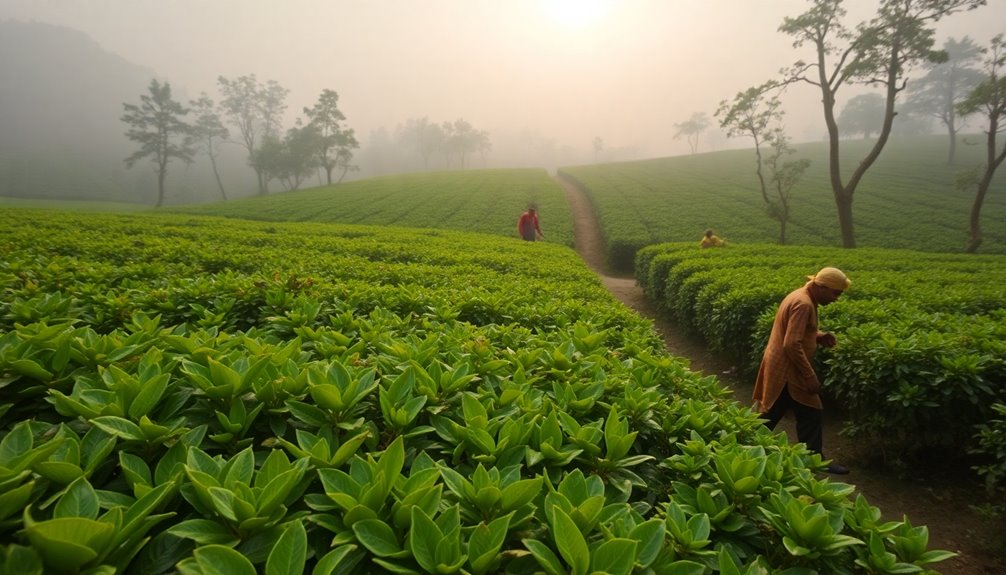
Regulations play a vital role in shaping your tea industry by setting quality, safety, and packaging standards that you must meet to access global markets. They influence how you cultivate, process, and export tea, making sure products are consistent and safe for consumers. Staying updated and compliant helps you avoid shipment delays, fines, or bans, ensuring your success abroad. If you keep exploring, you’ll discover more about how regulations can impact your business growth.
Key Takeaways
- Regulations ensure safety and quality, boosting consumer trust and industry reputation in international markets.
- Strict export standards can limit market access if compliance is not maintained, affecting global trade.
- Packaging and documentation rules streamline customs clearance, reducing delays and shipment rejections.
- Evolving regulations require continuous updates, impacting industry compliance strategies and operational costs.
- News about regulatory changes influences market dynamics, trade policies, and industry competitiveness worldwide.
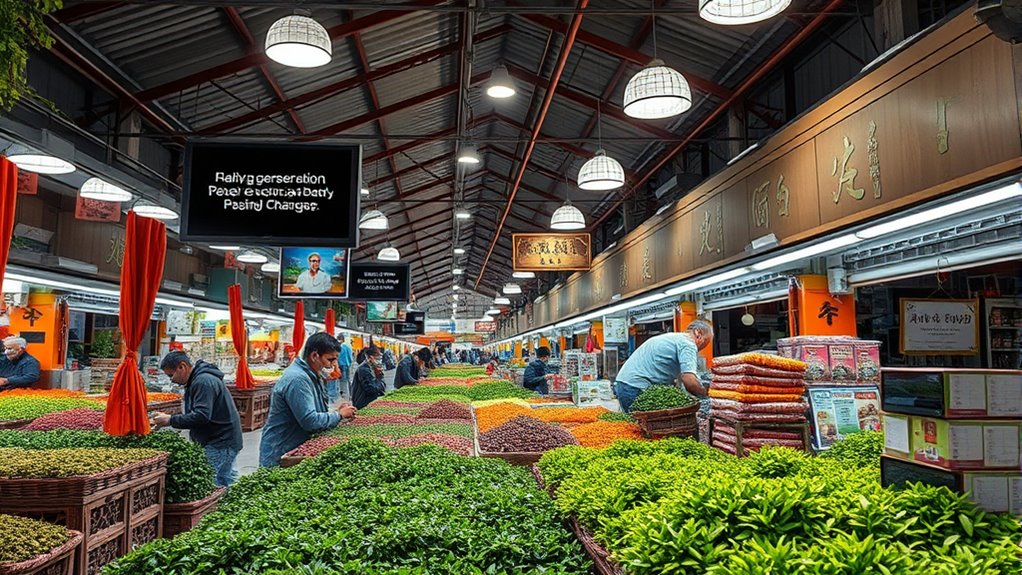
Regulations play a vital role in shaping the tea industry, influencing everything from cultivation practices to export procedures. If you’re involved in the tea business, you’ve likely noticed how these rules impact your ability to reach international markets. One of the most critical aspects affected by regulations is tea export. Governments and trade organizations set specific standards that you must meet to send your product abroad. These standards aren’t arbitrary; they aim to ensure that your tea adheres to safety, quality, and consistency benchmarks recognized globally. Failing to comply can result in rejected shipments, delays at customs, or even bans on your exports. That’s why understanding and aligning with these export regulations is essential for maintaining your market presence.
Quality standards are at the core of these export regulations. They dictate what constitutes high-quality tea and help protect consumers from subpar products. These standards cover various factors, including leaf size, aroma, flavor, moisture content, and absence of contaminants like pesticides or heavy metals. As a producer or exporter, you need to implement rigorous quality control measures to ensure your tea consistently meets these criteria. Not only does this build trust with international buyers, but it also minimizes the risk of shipments being returned or rejected. Many countries have their own specific quality benchmarks, so you must stay updated on these requirements to avoid costly mistakes. Adhering to recognized quality standards can give your tea a competitive edge in the global market, where buyers increasingly prioritize safety and consistency.
Moreover, regulations around tea export often extend beyond quality standards to include packaging, labeling, and documentation. You’ll need to ensure your packaging complies with the destination country’s rules, which may specify language, ingredient listing, or packaging materials. Proper labeling is crucial because it provides transparency about the product’s origin, contents, and handling instructions, helping to meet legal requirements and foster consumer confidence. Additionally, export documentation such as phytosanitary certificates, certificates of origin, and quality certifications are mandatory for smooth customs clearance. Failing to prepare these documents correctly can lead to shipment delays or fines, impacting your reputation and profitability. Maintaining compliance with regulatory standards and staying informed about updates is essential for seamless international trade.
Frequently Asked Questions
How Do Regulations Affect Small-Scale Tea Farmers?
Regulations can considerably impact small-scale tea farmers by increasing regulation compliance costs, which often strain their limited resources. You might face challenges like meeting quality standards or obtaining necessary certifications, adding to small farmer challenges. These rules can sometimes limit your ability to sell freely or force you into costly adjustments. Staying informed and adapting quickly helps you navigate these regulations, ensuring your farm remains compliant and competitive in the market.
What Are the Upcoming Regulatory Changes in the Tea Industry?
Upcoming regulatory changes in the tea industry focus on improving tea quality and enforcing certification standards. You’ll need to stay updated on new guidelines requiring stricter quality controls and certification processes. These changes aim to ensure better product safety, transparency, and sustainability. By adapting early, you can maintain compliance, boost consumer confidence, and strengthen your market position. Keep an eye on industry announcements and regulatory updates to stay ahead of these upcoming shifts.
How Do Trade Policies Impact International Tea Exports?
They say “a chain is only as strong as its weakest link,” and trade policies are no exception. Tariff impacts can raise costs, making your tea less competitive internationally. Export subsidies may boost shipments temporarily, but they can distort markets and invite retaliation. You need to stay informed about these policies because they directly influence your export opportunities and profitability, shaping the future of your business in the global tea market.
Are There Environmental Regulations Influencing Tea Plantation Practices?
Yes, environmental regulations influence your tea plantation practices. You must meet organic certification standards and adhere to pesticide restrictions to guarantee sustainability and market access. These regulations compel you to adopt eco-friendly methods, reduce chemical use, and maintain soil health. By complying, you not only protect the environment but also enhance your tea’s quality and appeal to conscious consumers seeking organic and responsibly produced products.
How Does Regulation Compliance Affect Tea Product Pricing?
Regulation compliance can increase your tea product pricing because maintaining standards often requires higher-quality inputs and sustainable practices, which boost tea quality. As a result, consumers notice improved product consistency and safety, strengthening consumer trust. While costs may rise, this focus on compliance enhances your reputation and appeals to quality-conscious buyers, ultimately justifying higher prices and fostering long-term loyalty in a competitive market.
Conclusion
As you navigate the evolving tea industry, remember regulations are the gentle yet firm hand guiding your journey. They shape the landscape like a river carving valleys, creating opportunities and challenges alike. Staying informed and adaptable is your vessel in these changing currents. Embrace the flow, for with every regulation, you’re carving a path toward sustainable growth and innovation—turning obstacles into stepping stones on your tea’s vibrant journey ahead.