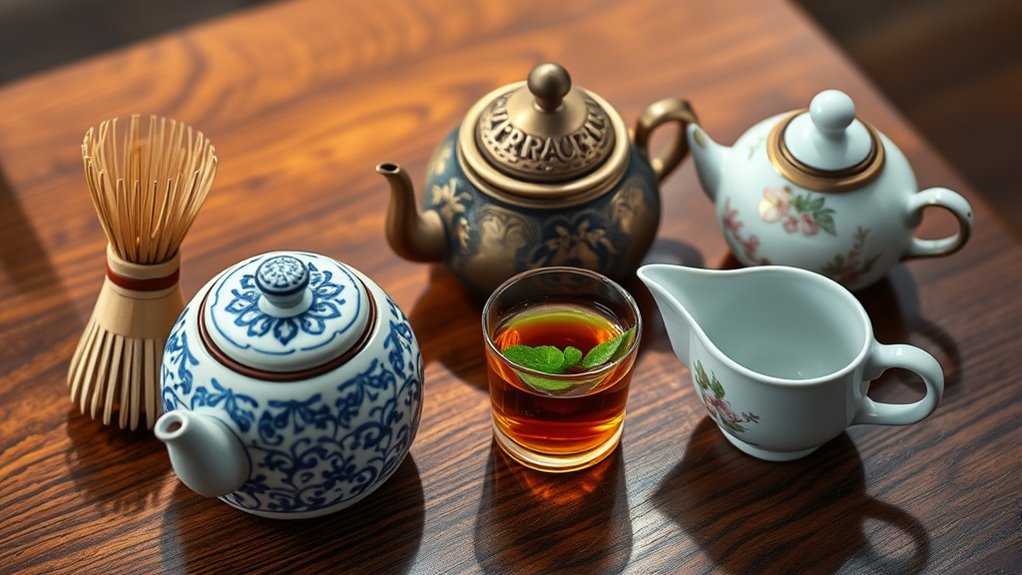

Today, tea cultures blend tradition with modern innovation. You’ll find gadgets that control steeping times and temperature, making brewing easier and more precise. Fusion recipes combine classic techniques with new flavors, such as matcha lattes or herbal infusions. Many cultures adapt their customs, like Japanese ceremonies with contemporary accessories or Moroccan tea poured from a height using modern teapots. If you keep exploring, you’ll discover how these adaptations enrich the global appreciation for tea’s rich heritage.
Key Takeaways
- Integration of advanced gadgets allowing precise temperature control and steeping times enhances traditional brewing methods worldwide.
- Fusion recipes combining tea with local flavors or ingredients create innovative, culturally diverse tea experiences.
- Modern tea ceremonies blend traditional rituals with contemporary aesthetics and minimalism for broader appeal.
- Global cafes and tea bars experiment with new presentation styles, such as layered infusions and creative serving ware.
- Digital platforms and social media promote diverse tea practices, fostering cross-cultural exchange and appreciation.

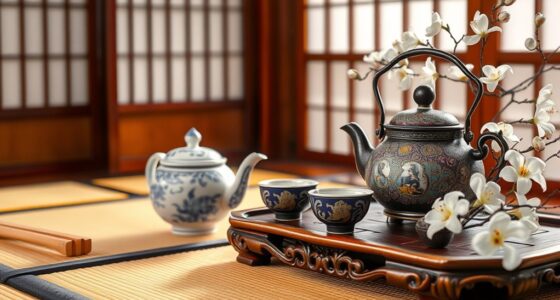
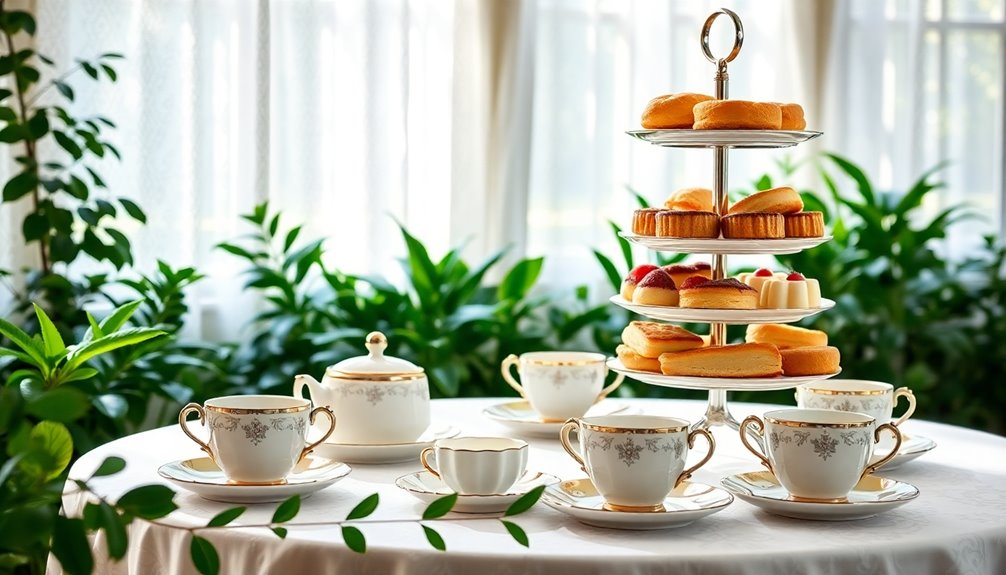
Have you ever wondered how tea, a simple leaf infusion, has become a vital part of various cultures around the world? It’s fascinating how this humble beverage has evolved into a symbol of hospitality, tradition, and social ritual. When you explore different cultures, you’ll notice that tea isn’t just about drinking; it’s about the experience and the etiquette that accompanies it. Tea etiquette varies widely, reflecting cultural values and social norms. In Japan, the tea ceremony is a highly ritualized practice emphasizing harmony, respect, purity, and tranquility. The precise movements and gestures you perform during the matcha ceremony highlight a deep respect for tradition. Conversely, in Britain, afternoon tea is more relaxed but still steeped in etiquette—holding the teacup correctly, using the saucer, and engaging in polite conversation. These customs shape your experience and demonstrate the importance placed on manners and social cohesion.
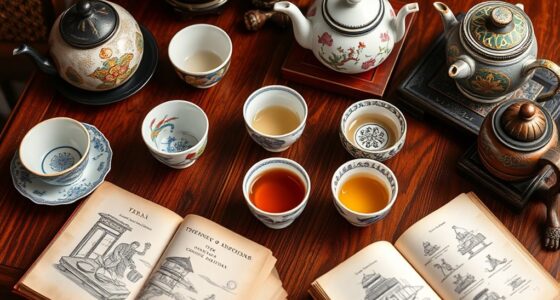
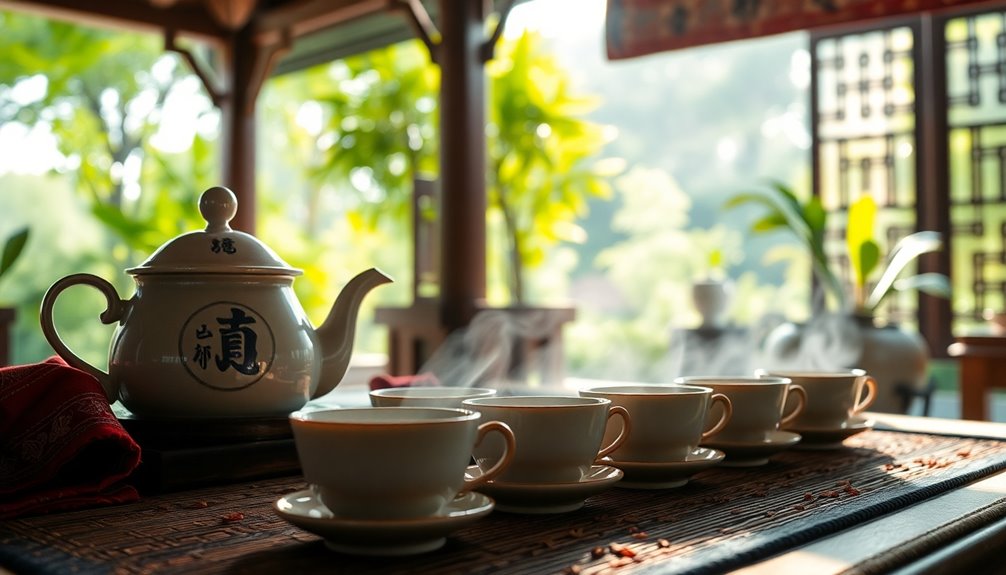
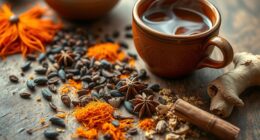
Brewing techniques are equally diverse and integral to how tea is enjoyed around the world. You might take a simple approach, boiling water and steeping loose leaf or tea bags, but many cultures have developed elaborate methods. In China, traditional brewing involves carefully measuring leaves, often using a gaiwan or Yixing teapot, and controlling water temperature and steeping time to extract the best flavor. This meticulous process guarantees that each sip is a reflection of craftsmanship. In India, particularly with chai, you boil tea leaves with spices, milk, and sugar, creating a rich, fragrant brew that’s more of a process than a quick task. Meanwhile, in Morocco, you prepare mint tea by pouring hot water from a height to aerate it before mixing with green tea and fresh mint, a technique that creates a layered flavor and a ceremonial feel. Additionally, modern brewing gadgets are increasingly popular, allowing enthusiasts to experiment with temperature control and steeping times to perfect their brews.
As you observe these adaptations, it’s clear that brewing techniques aren’t just about taste—they’re about respecting local customs and enhancing the drinking experience. Whether it’s the precise whisking of matcha, the slowpouring of a Chinese gongfu session, or the lively preparation of spiced chai, each method reflects cultural values and history. These techniques and etiquettes aren’t static; they evolve with time, blending tradition with innovation. Today, modern tea drinkers may experiment with new brewing gadgets or fusion recipes, but they still honor the foundational customs that make tea more than a beverage—it’s a cultural expression. Embracing these diverse practices allows you to appreciate the rich tapestry of tea’s global journey and deepen your connection to its cultural significance.
Frequently Asked Questions
How Have Modern Health Trends Influenced Tea Consumption Worldwide?
Modern health trends have considerably boosted your tea consumption worldwide. You’re likely to explore herbal infusions like chamomile or peppermint for their calming effects, or turn to green and matcha teas for their antioxidants. Detox diets often incorporate tea to boost metabolism and cleanse your system. These trends encourage you to view tea as a health-enhancing beverage, making it a popular choice for wellness-conscious individuals globally.
What Are Innovative Brewing Techniques Emerging in Tea Cultures Today?
You’re exploring new brewing innovations that are transforming tea cultures today. You’ll find that tea infusions are becoming more creative, blending herbs, spices, and even fruits for unique flavors. Innovative brewing techniques like cold brew, gimming, and vacuum infusion are gaining popularity, allowing you to extract more nuanced tastes and aromas. These advancements make tea preparation more versatile, personalized, and exciting, perfect for those keen to experiment and enjoy new sensory experiences.
How Is Tea Being Integrated Into Contemporary Culinary Fusion Cuisines?
Like a painter blending colors, you incorporate tea into culinary fusion by creating tea-infused desserts and fusion tea cocktails that surprise and delight. You experiment with matcha in cheesecakes or jasmine in cocktails, elevating traditional flavors. This integration transforms familiar dishes into innovative experiences, inviting diners to explore new cultural landscapes through taste. Your creative use of tea bridges worlds, turning culinary borders into vibrant, shared stories.
Are There New Tea-Related Rituals Developing in Urban Societies?
You’re seeing new tea-related rituals emerge in urban societies, reflecting a blend of tradition and innovation. Urban tea trends include informal tea ceremonies in cafes, mindfulness practices like tea meditation, and creative presentations such as bubble tea art. These rituals foster connection and relaxation, adapting classic tea ceremonies to modern lifestyles. As you explore these trends, you’ll notice how cities embrace tea’s cultural significance while making it part of everyday, contemporary rituals.
How Do Digital Platforms Impact the Global Spread of Tea Culture?
Digital platforms boost the global spread of tea culture by connecting you instantly with diverse traditions. While social media branding creates appealing images, online tasting events let you experience flavors firsthand from anywhere. This blend of visuals and interactive experiences accelerates cultural exchange, making tea more accessible and trendy worldwide. You’re empowered to explore new styles, share your favorites, and deepen your appreciation, all from the comfort of your home.
Conclusion
As you explore how cultures adapt tea, think of it as a chameleon blending into its surroundings, transforming with each new tradition. Just like a traveler who tastes different spices and makes them part of their journey, you can savor the unique stories behind each cup. Imagine sharing a quiet moment over a steaming bowl of matcha in Japan or a fragrant chai in India—each sip a reminder that tea’s true magic lies in its ability to unite diverse worlds in a single, comforting brew.