Regional varieties and terroir greatly influence the flavor, size, and quality of chicory roots. Factors like local soil, climate, and farming traditions create distinct profiles—some regions yield milder, sweeter roots, while others produce bolder, more bitter flavors. Genetic diversity among plants further enhances these regional differences. By understanding how these elements interact, you can better appreciate why chicory from different areas tastes unique. Keep exploring to discover more about the fascinating influence of terroir on chicory.
Key Takeaways
- Regional climate influences chicory flavor, with warmer areas producing more bitter and robust roots and cooler regions yielding milder varieties.
- Soil composition and drainage significantly affect root size, flavor complexity, and overall quality across different growing regions.
- Genetic diversity among chicory strains adapts them to specific terroirs, resulting in unique taste profiles per region.
- Traditional cultivation and harvesting practices enhance regional flavor characteristics, contributing to regional terroirs.
- French chicory often has balanced bitterness, while Mediterranean varieties tend to be bolder, reflecting regional terroir influences.
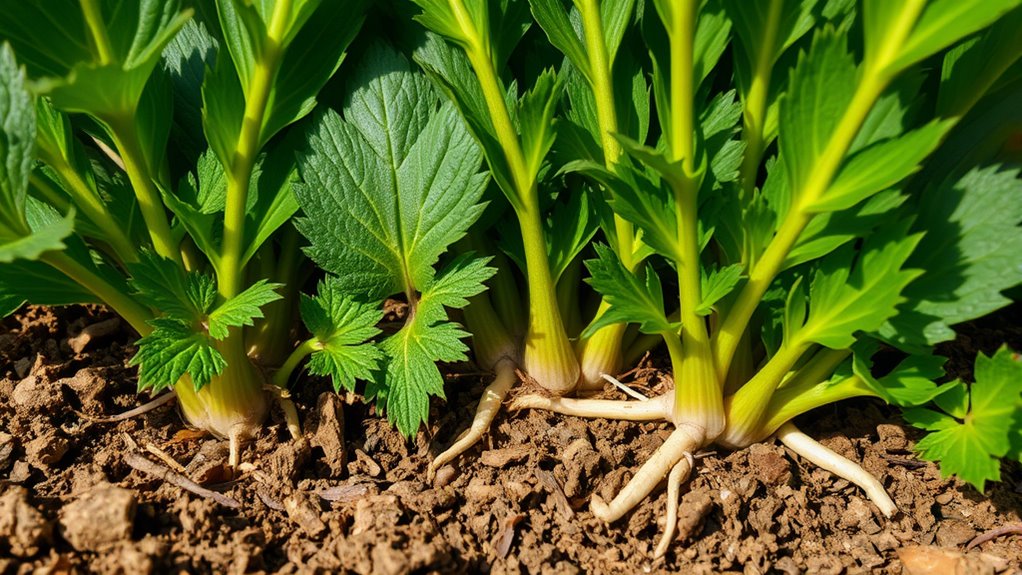
Chicory root’s flavor and quality vary considerably across different regions, shaped by local soil, climate, and farming practices. This variation is largely driven by the genetic diversity within chicory populations and the unique conditions of each cultivation region. When you explore different varieties of chicory, you’ll notice that these factors influence everything from bitterness levels to root size, creating a rich tapestry of flavors that reflect their origins. The genetic diversity among chicory plants means that, even within the same species, certain strains adapt better to specific environments, developing distinct taste profiles and growth characteristics. As a grower or enthusiast, understanding how these genetic differences interplay with regional conditions helps you appreciate why chicory from one area might taste markedly different from another. Additionally, traditional cultivation methods and local harvesting techniques further enhance regional flavor profiles, emphasizing the importance of terroir in chicory production.
Cultivation regions play a vital role in shaping the characteristics of chicory roots. For example, chicory grown in warmer, sunnier climates often develops a more robust, slightly bitter flavor, whereas cooler regions tend to produce milder, sweeter roots. Soil composition also makes a big difference—rich, well-drained soils enhance root development, leading to larger, more uniformly shaped roots with complex flavor notes. Conversely, less suitable soils might produce smaller roots with a more pronounced bitterness or earthy undertones. You’ll find that farmers in different regions adapt their cultivation practices to optimize these regional traits, whether through selecting specific varieties or adjusting harvest times. These practices further influence the final flavor and texture of the roots, emphasizing regional qualities.
The combination of genetic diversity and regional factors creates a spectrum of chicory varieties, each with its own unique profile. When you taste chicory from various cultivation regions, you’re experiencing a direct reflection of this complex interaction. For instance, French chicory often exhibits a balanced bitterness with subtle sweet undertones, shaped by the temperate climate and specific soil conditions of the region. Meanwhile, chicory from warmer Mediterranean areas might deliver a bolder, more intense flavor profile. As a consumer or chef, recognizing these regional differences allows you to select the ideal chicory for your culinary or beverage needs, whether you prefer a milder taste or a more pronounced bitter note.
organic chicory root for brewing
As an affiliate, we earn on qualifying purchases.
As an affiliate, we earn on qualifying purchases.
Frequently Asked Questions
How Does Climate Affect Chicory Root Flavor Profiles?
Climate induces flavor variations in chicory root by affecting its growth conditions. You’ll notice that warmer, sunnier climates enhance its natural bitterness and earthy tones, contributing to distinctive regional flavor profiles. Conversely, cooler, wetter environments tend to mellow these flavors, creating a milder, sweeter taste. These climate-induced flavor variations shape the unique character of chicory from different regions, influencing how you experience its aroma and taste in beverages or culinary dishes.
Are There Specific Pests Unique to Chicory Cultivation Regions?
You’ll find that region-specific pests, such as leaf miners in the Mediterranean or root maggots in North America, target chicory cultivation areas. To safeguard your crops, implement pest management strategies like crop rotation, timely insecticide application, and natural predators. Monitoring pest populations regularly helps you catch issues early. Tailoring these strategies to your region’s pests ensures healthy chicory roots and preserves your crop’s quality and yield.
What Traditional Harvesting Methods Vary Across Chicory-Growing Areas?
You might be surprised by how traditional harvesting methods vary across chicory-growing areas. In some regions, farmers wait for precise harvesting timing, often guided by the root’s size and skin color, while others rely on instinct. They use traditional tools like hoes, sickles, or even hand tools, each technique shaped by local customs and terrain. These methods preserve the crop’s quality and connect you to centuries-old agricultural traditions.
How Does Soil Composition Influence Chicory Root Nutritional Content?
Soil composition directly impacts your chicory root’s nutritional content. Higher soil mineralization provides essential minerals, boosting nutrient levels in the roots. Meanwhile, increased organic matter content enriches the soil, enhancing nutrient absorption and overall quality. By paying attention to these factors, you can cultivate healthier chicory roots with better nutritional profiles. Adjusting soil conditions to optimize mineralization and organic matter ensures your crop reaches its full nutritional potential.
Are There Regional Differences in Chicory Root Processing Techniques?
Think of chicory root processing as a tapestry woven with regional threads. You’ll find regional harvesting practices influence the timing and method, which shape the final product’s character. Processing variations—like roasting or drying techniques—serve as regional signatures, adding unique flavors and textures. These differences reflect local traditions, climate, and tools, making each region’s chicory processing a story of its own, enriched by cultural heritage and practical choices.
Conclusion
Just like a rich tapestry woven with unique threads, the regional varieties and terroir of chicory root reveal a world of diverse flavors and character. By exploring these differences, you discover a deeper appreciation for this humble root’s journey from soil to cup. Embrace the flavors as a map guiding you through history, climate, and culture—each one adding its own brushstroke to the vibrant masterpiece of chicory’s story.