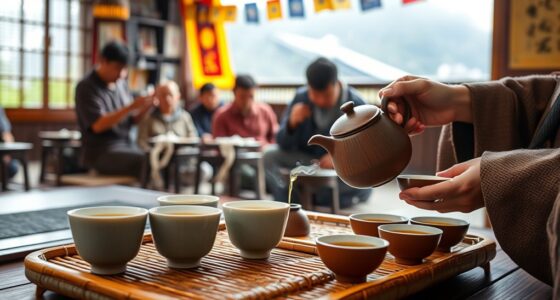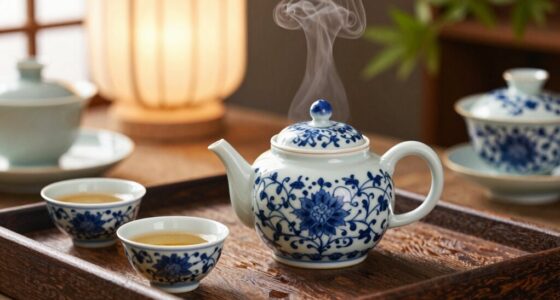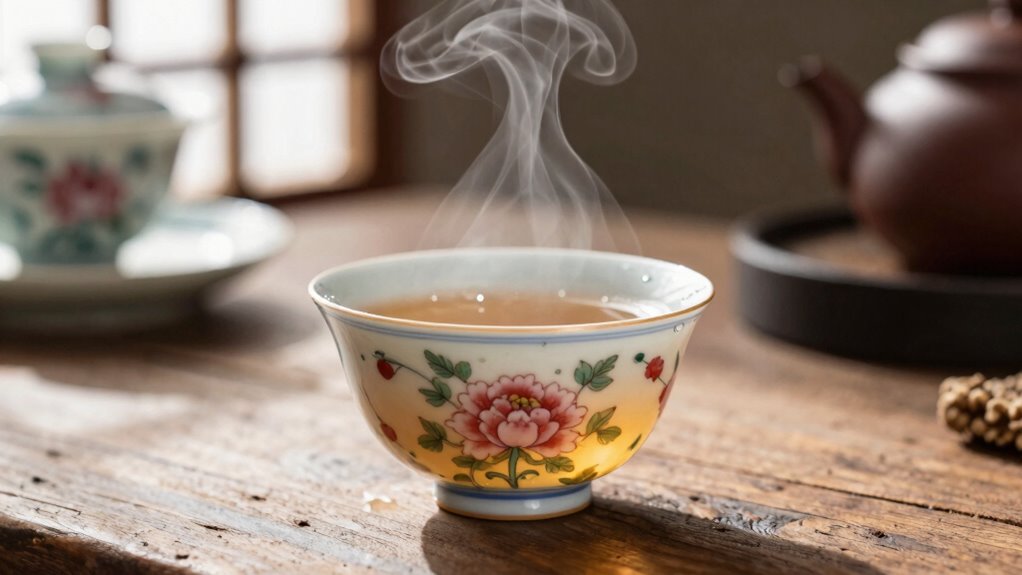

Many tea lovers miss the depth of cultural rituals and traditions that make tea special. It’s not just about taste, but about the etiquette, brewing techniques, and symbolic gestures passed down through generations. These practices foster respect, mindfulness, and genuine connection. By overlooking these customs, you might miss the full emotional and cultural richness behind each cup. Stick around to discover how embracing these traditions can deepen your appreciation and transform your tea experience.

Get coffee and tea gear delivered free — and shop member deals
- Fast, free delivery on millions of items
- Access to Prime Big Deal Days deals on October 6–7
- Prime Video, Amazon Music and more included
Key Takeaways
- Many overlook the symbolic meaning behind traditional tea rituals, missing their emotional and cultural significance.
- Tea lovers often focus on flavor and forget the etiquette that fosters respect and connection among participants.
- The artistry and precise techniques of brewing are sometimes undervalued, reducing tea to just a beverage.
- The historical stories and cultural heritage embedded in tea customs are frequently overlooked.
- The community aspect and mindful engagement in traditional practices are often missed, diminishing the full cultural experience.
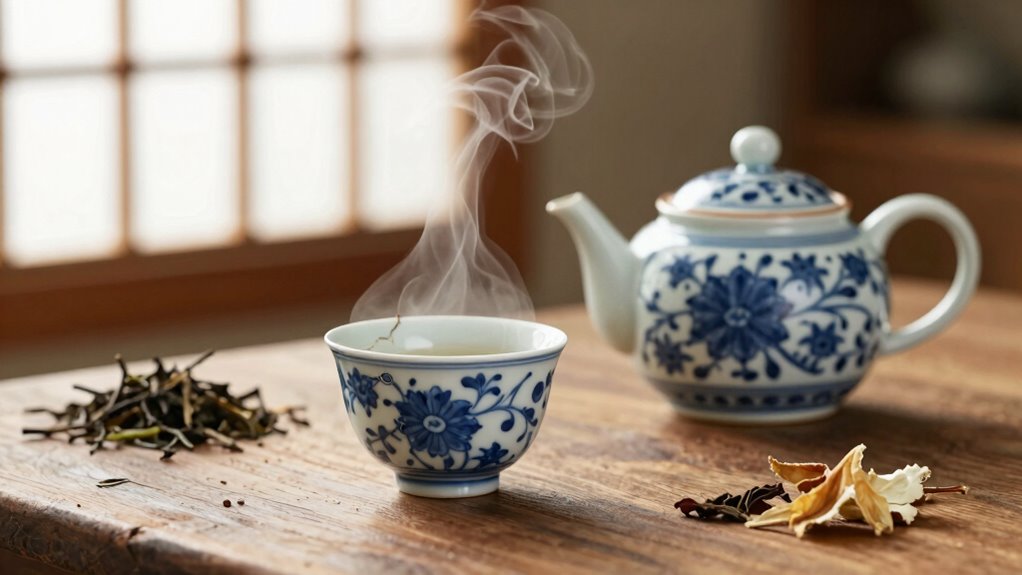
Have you ever wondered why tea holds such a special place in cultures around the world? It’s more than just a beverage; it’s a symbol of hospitality, tradition, and connection. Many tea lovers focus on the flavors or the variety of leaves, but what they often miss are the deeper customs that make tea truly meaningful. These customs include tea etiquette and brewing techniques that have been passed down through generations, forming a rich tapestry that goes beyond simply pouring a hot drink. Embracing these practices can also foster a greater appreciation for cultural heritage, which is often intertwined with sustainable and respectful relationships with the environment. Tea etiquette isn’t just about manners; it’s about respecting the process and the people you share it with. In many cultures, how you serve and receive tea reflects sincerity and humility. For instance, in Japan, the tea ceremony—chanoyu—is a precise ritual emphasizing harmony, respect, purity, and tranquility. Every movement, from whisking the matcha to presenting the bowl, carries significance. When you understand these rituals, you appreciate the mindfulness and intention behind each step. Similarly, in China, pouring tea with a gentle, respectful gesture signals care and attentiveness, reinforcing social bonds. Missing out on these subtleties means overlooking the emotional depth embedded in each cup. Additionally, these traditions often involve specific brewing practices that highlight the artistry and precision involved in preparing tea. These practices are also crucial for preserving the authenticity and historical significance of tea cultures around the world. Recognizing these traditions can deepen your respect for the craft and the cultural stories behind each cup.
Equally important are brewing techniques, which many enthusiasts overlook in favor of flavor profiles. Proper brewing isn’t just about steeping leaves; it’s about honoring the type of tea and its unique qualities. For example, delicate green teas require lower temperatures and shorter steeping times to prevent bitterness, while robust black teas often need hotter water to fully unlock their flavors. Mastering these techniques transforms tea from a simple drink into a sensory experience, one that pays homage to tradition. When you skip the nuances of brewing, you miss how different methods influence aroma, taste, and texture—elements that elevate your tea experience to a cultural art form.
What most tea lovers tend to overlook is how these traditions foster a sense of community and respect. It’s not merely about sipping tea but about engaging with a practice that connects you to history and shared values. Understanding and practicing tea etiquette and brewing techniques reveal a deeper appreciation that enriches every cup. When you embrace these customs, you’re not just drinking tea; you’re participating in a timeless tradition that brings people together and celebrates the art of mindful living.
As an affiliate, we earn on qualifying purchases.
Frequently Asked Questions
How Did Tea Culture Originate Historically Across Different Regions?
You might not realize that tea culture originated from ancient China, where tea farming started around 2737 BCE. As trade routes expanded, tea export grew, spreading the beverage to Japan, India, and Europe. Each region developed unique traditions, like Japanese tea ceremonies or British afternoon teas. These historical roots highlight how tea’s journey from cultivation to cultural practice shaped diverse customs, which many tea lovers overlook today.
What Are the Lesser-Known Tea Ceremonies Worldwide?
You might not know about lesser-known tea ceremonies like Taiwan’s Gongfu tea practice, emphasizing intricate tea blending and precise tea etiquette, or Morocco’s Argon tea ritual, which involves pouring and serving with grace. These ceremonies highlight cultural artistry and mindfulness, offering a deeper connection to tea. By exploring these traditions, you experience more than just a beverage — you embrace history, craftsmanship, and shared respect in every sip.
How Do Tea Traditions Influence Social Hierarchies?
Imagine discovering how tea traditions subtly shape social hierarchies, guiding interactions through delicate tea etiquette and social etiquette. You realize that in many cultures, the way you serve and receive tea reflects your position and respect. These customs create a graceful dance of status, where understanding the nuances elevates your social grace. Embracing these traditions helps you navigate relationships with elegance, honoring centuries of refined etiquette and cultural heritage.
Are There Hidden Symbols Behind Specific Tea Rituals?
Yes, many tea rituals contain hidden symbols that deepen their ritual significance. For example, the way you handle the teapot or the arrangement of cups can symbolize respect, harmony, or spiritual connection. These subtle gestures often reflect cultural values and social hierarchy, serving as silent messages of tradition and reverence. Recognizing these hidden symbols enhances your appreciation, revealing layers of meaning that go beyond just drinking tea.
How Have Modern Lifestyles Altered Traditional Tea Practices?
Modern lifestyles have markedly shifted traditional tea practices, often sacrificing serene rituals for swift sips. You might skip classic tea etiquette or hurriedly indulge in modern infusions, losing the calming connection to centuries-old customs. The hustle hampers mindful moments, yet by embracing slow sips and respectful rituals, you rediscover the rich, relaxing roots of tea. Reclaiming these traditions helps preserve the soulful serenity that once defined tea culture.
Conclusion
So, next time you sip your tea, remember you’re missing out on a world of ancient rituals and soulful traditions that could make your moment feel like a grand celebration. Embrace the tea culture, and suddenly, every cup becomes a magical, timeless experience—like revealing a secret universe in just a few sips. Don’t settle for ordinary; elevate your tea game and let these traditions transform your everyday brew into an unforgettable adventure!
Fall Picks
fall essentials
As an affiliate, we earn on qualifying purchases.