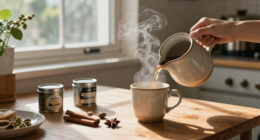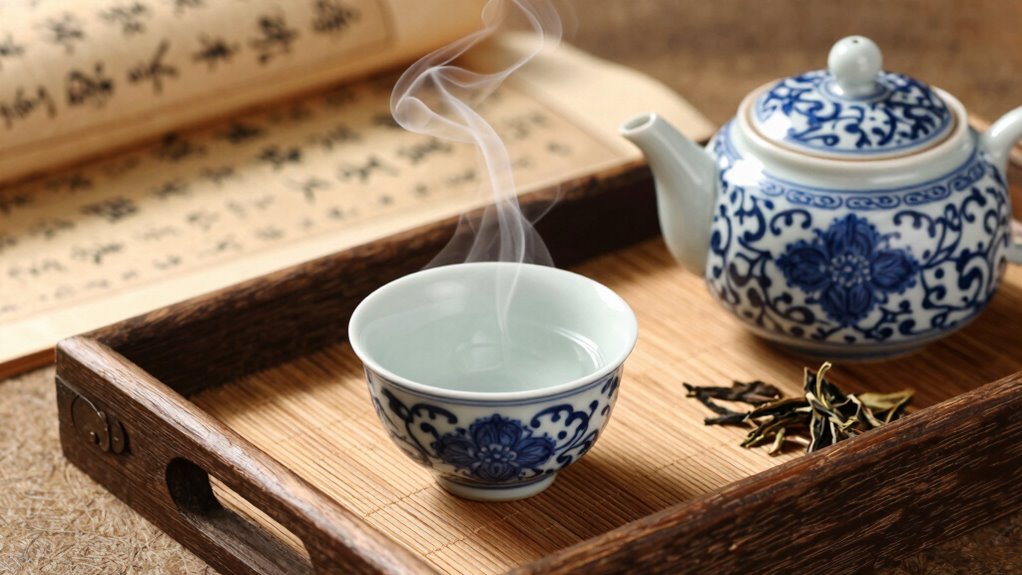

Your appreciation for modern tea culture is shaped by long-standing traditions and customs. These influence how you prepare your tea with mindfulness, serve it with respect, and even choose your tea ware. Ceremonial rituals like Japan’s tea ceremony and China’s gongfu cha continue to inspire contemporary tea spaces, emphasizing elegance and calm. By understanding these timeless practices, you can deepen your connection to tea and explore how tradition lives on today—there’s much more to discover.

Get coffee and tea gear delivered free with Prime
- Fast, free delivery on millions of items
- Prime Video, Amazon Music and more included
- Member-only deals all year
Key Takeaways
- Traditional tea etiquette fosters respect and mindfulness, shaping modern social customs around tea consumption.
- Ceremonial rituals like Japanese tea ceremonies influence contemporary practices emphasizing deliberate, meaningful steps.
- Classic design elements of tea ware and ambiance preserve cultural aesthetics and create serene, mindful environments.
- Modern tea spaces draw inspiration from traditional rituals to promote calm, community, and cultural appreciation.
- Preserving historical practices helps maintain the cultural significance and deeper meaning of tea in contemporary contexts.
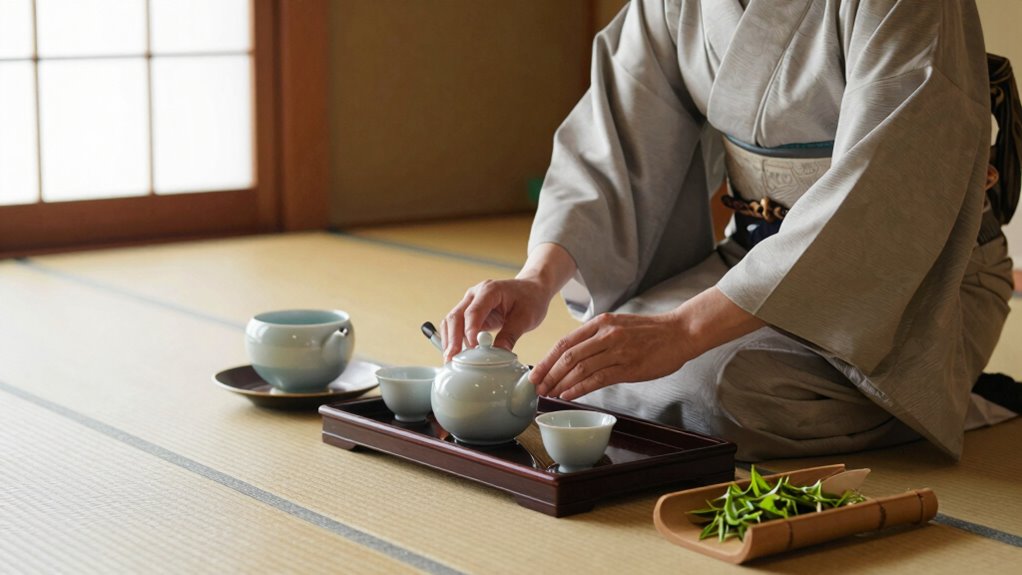
Have you ever wondered why tea holds such a special place in cultures around the world? It’s not just about drinking a warm beverage; it’s about the traditions, respect, and social bonds that come with each cup. Tea etiquette plays a significant role in shaping these customs, guiding how you prepare, serve, and enjoy tea. From the precise way you hold a cup to the respectful nods exchanged during a shared brew, these manners create a sense of harmony and mindfulness. Over time, these rituals have become deeply ingrained in societies, influencing modern tea culture in subtle but meaningful ways.
Tea customs foster respect, harmony, and mindfulness across cultures, transforming a simple drink into a meaningful tradition.
Ceremonial rituals, in particular, have left a lasting legacy on how tea is appreciated today. In many cultures, such as Japan’s tea ceremony or China’s gongfu cha, each step is deliberate and meaningful. These rituals aren’t just about making tea; they’re about cultivating respect, patience, and mindfulness. When you participate in such ceremonies, you learn to slow down and savor the moment, turning a simple act into an art form. Even in contemporary settings, elements of these rituals are preserved, adapted, or simplified, allowing you to connect with history while enjoying your tea.
Modern tea culture continues to draw inspiration from these traditional practices, blending them with contemporary lifestyles. Coffee shops and tea bars often incorporate elements of ceremonial rituals, offering you a chance to experience a moment of calm amid busy days. Tea etiquette influences how you serve and share tea in social gatherings, emphasizing manners like offering the cup with both hands or bowing slightly as a sign of respect. These customs foster a sense of community and reverence, reminding you that tea isn’t just a beverage but a bridge between cultures and generations.
Furthermore, the influence of traditional tea customs extends into the design of modern tea ware and the ambiance of tea rooms. You might find yourself appreciating the aesthetics of a simple, elegant teapot or the serene environment of a tea lounge, where the focus is on creating a thoughtful experience. These elements serve as a tribute to the ceremonial roots of tea culture, encouraging you to approach each cup with mindfulness and appreciation. Additionally, the preservation of traditional practices helps keep the cultural significance of tea alive in contemporary society. Understanding the history of tea rituals can deepen your appreciation and connection to this ancient tradition. In fundamentally, the enduring legacy of tea etiquette and ceremonial rituals shapes how you engage with tea today, transforming it from a routine act into a meaningful tradition that connects you to a rich cultural history.
As an affiliate, we earn on qualifying purchases.
Frequently Asked Questions
How Do Modern Cafes Incorporate Traditional Tea Rituals?
Modern cafes incorporate traditional tea rituals through tea mindfulness practices, encouraging you to savor each sip and appreciate the process. They often emphasize urban tea aesthetics by creating serene, visually appealing spaces that reflect traditional elegance. You might find carefully curated tea ceremonies or themed decor that evoke cultural heritage. These elements help you connect with the rich history while enjoying a contemporary, calming tea experience.
What Are the Regional Differences in Contemporary Tea Ceremonies?
You notice regional differences in contemporary tea ceremonies through distinct tea etiquette and ceremonial aesthetics. In Japan, you follow precise rituals emphasizing grace and silence, while in China, ceremonies focus on harmony and detailed presentation. In the UK, tea etiquette is more relaxed, with an emphasis on social manners. These variations reflect each culture’s values, blending traditional customs with modern practices to create unique, region-specific tea experiences.
How Has Global Trade Affected Traditional Tea Practices?
Trade transforms traditions, and tea globalization greatly impacts traditional practices. You’ll notice how trade impacts, like increased access and influence, blend old customs with new trends. As tea travels across territories, it introduces innovations while still honoring heritage. These trade impacts cause a mesmerizing collision, creating a cosmopolitan tea culture that celebrates both tradition and transformation. This dynamic dance of trade and tradition keeps tea practices thriving and evolving worldwide.
Are There Any Modern Adaptations of Ancient Tea Utensils?
Yes, there are modern adaptations of ancient tea utensils. You’ll find innovative takes on traditional items like teapots and tea cups, blending old designs with contemporary materials such as glass, stainless steel, or ceramic. These adaptations preserve the essence of ancient utensils while offering improved functionality and aesthetic appeal, making tea brewing more convenient and stylish. This fusion of tradition and innovation keeps tea culture vibrant and accessible today.
How Do Social Media Trends Influence Current Tea Culture?
You might think social media trends are just about cute tea photos, but they actually shape your tea consumption habits more than you realize. Influencer impact drives a craze for exotic blends and trendy accessories, making you seek out new rituals and flavors. Ironically, what starts as a casual scroll can turn into a full-blown obsession, transforming ancient tea traditions into modern, shareable moments—sometimes at the expense of genuine appreciation.
Conclusion
So, as you sip your modern tea, remember it’s a delightful mishmash of centuries-old traditions. You might think you’re just casually enjoying a drink, but really, you’re part of a grand tradition that’s been carefully crafted—sometimes quite rigidly—by history. Ironically, in trying to modernize and personalize your tea experience, you’re still steeped in centuries of ritual. Cheers to tradition, even when it’s just a simple cup of tea in your hands!
Halloween Picks
halloween
As an affiliate, we earn on qualifying purchases.