
TL;DR

Get coffee and tea gear delivered free — and shop member deals
- Fast, free delivery on millions of items
- Access to Prime Big Deal Days deals on October 6–7
- Prime Video, Amazon Music and more included
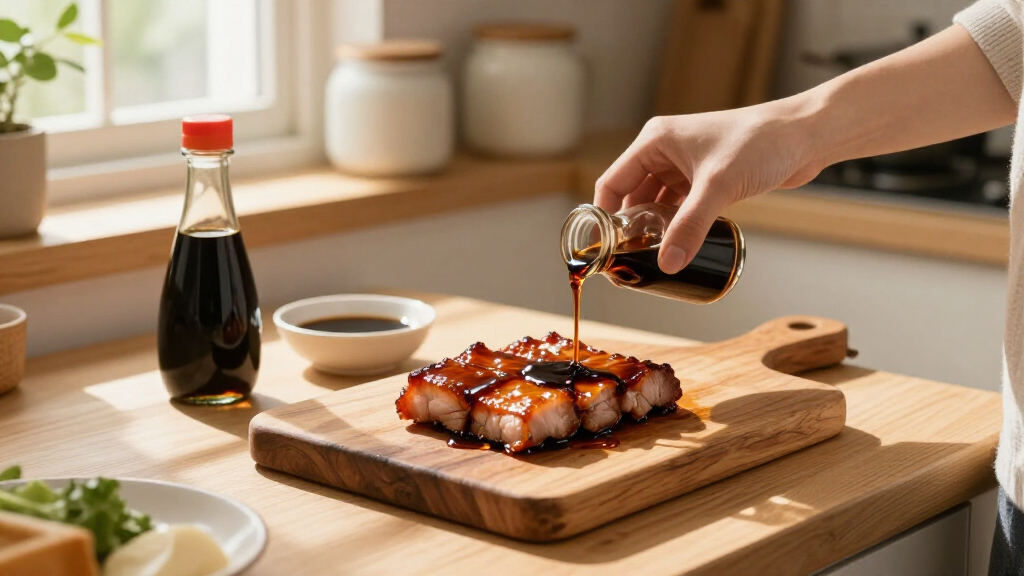
Interest in pairing soy sauce with roast pork is surging online, reflecting a growing trend in flavor experimentation. The development is based on trending searches and social media mentions, but the underlying reasons are still unconfirmed.
Search interest in combining soy sauce with roast pork has surged in recent weeks, according to online search trend data. While the trend’s origins are unclear, it reflects a broader pattern of culinary experimentation and flavor pairing exploration among consumers and food enthusiasts. This rise in interest matters because it could influence cooking habits, restaurant menus, and food marketing strategies in the near future.
Data from search analytics platforms indicate a significant increase in queries related to soy sauce and roast pork pairing, with some reports noting a spike of over 50% in search volume compared to previous months. Social media platforms have also seen a rise in posts and videos demonstrating recipes that incorporate soy sauce into roast pork dishes, suggesting that home cooks and chefs alike are experimenting with this flavor combination.
Experts in culinary trends suggest that the interest may be driven by the global popularity of Asian cuisines, the increasing availability of soy sauce in mainstream markets, and a general shift toward bold, umami-rich flavors in cooking. However, no official source or culinary authority has yet confirmed the specific reasons behind this spike, and the trend remains primarily observational at this stage.
Implications for Culinary Trends and Consumer Preferences
The rising interest in soy sauce paired with roast pork could influence future food trends, restaurant menus, and home cooking practices. If the trend continues, it may lead to increased sales of soy sauce and related ingredients, as well as a broader acceptance of Asian-inspired flavor profiles in mainstream cuisine. This shift could also impact marketing strategies for food brands aiming to capitalize on flavor experimentation and authenticity.
As an affiliate, we earn on qualifying purchases.
Growing Popularity of Asian Flavors in Western Markets
Over the past decade, Asian cuisines have gained widespread popularity in Western countries, driven by increased travel, immigration, and the global dissemination of culinary culture through social media. Soy sauce, a staple of many Asian dishes, has become more accessible and mainstream, often featured in recipes beyond traditional Asian cooking. The current trend of pairing soy sauce with roast pork appears to be a natural extension of this broader culinary movement, although specific origins remain unconfirmed.
Previous flavor trends have included the use of soy sauce in marinades, dipping sauces, and fusion dishes, but the recent spike in search interest suggests a new level of experimentation and interest among consumers. It is not yet clear whether this will lead to lasting change or remain a short-term fad, as the underlying motivations are still unverified.
Unconfirmed Origins and Future Trajectory of the Trend
It is not yet clear what specifically triggered the recent spike in interest—whether it stems from a particular viral recipe, a celebrity endorsement, or a broader cultural shift. No authoritative culinary body or industry report has confirmed the reasons behind the trend, and it remains a trend signal rather than a confirmed movement. The longevity of this interest is also uncertain, as it could be a short-term fad or the start of a lasting shift in flavor preferences.
Monitoring Continued Search Trends and Culinary Adoption
Food industry analysts and marketers will likely observe ongoing search data and social media activity to gauge whether the trend persists. Restaurants and home cooks may experiment further with soy sauce and roast pork, potentially leading to new recipes or menu items. Researchers and trend forecasters will also watch for any official endorsements or media coverage that could cement this flavor pairing as a lasting culinary development.
Key Questions
Why is interest in soy sauce and roast pork increasing?
The rise may be linked to broader interest in Asian flavors and social media sharing of recipes, but the exact cause remains unconfirmed.
Is this a new culinary trend or a short-term fad?
It is currently a trend signal based on search data and social media activity; its longevity is uncertain.
Could this influence restaurant menus?
Potentially, if the trend sustains, restaurants might incorporate soy sauce into roast pork dishes more frequently.
Are there specific recipes or techniques associated with this trend?
No specific recipes have been officially identified; social media posts suggest experimentation with soy sauce-based marinades and glazes.
What should consumers consider when trying this at home?
Using high-quality soy sauce and balancing flavors is recommended; cooking pork to safe internal temperatures (145°F/63°C) remains essential.
Source: rss
Fall Picks
fall essentials
As an affiliate, we earn on qualifying purchases.