
TL;DR
Two months after Singapore lifted a ban on pig blood curd, demand continues to outstrip supply. The shortage persists despite efforts to increase production, impacting local vendors and consumers. The situation remains unresolved as authorities explore solutions.
Singapore’s demand for pig blood curd continues to surpass supply, two months after authorities lifted a ban on the product, leading to persistent shortages and frustration among vendors and consumers. The situation highlights ongoing supply chain challenges despite regulatory changes aimed at easing restrictions.
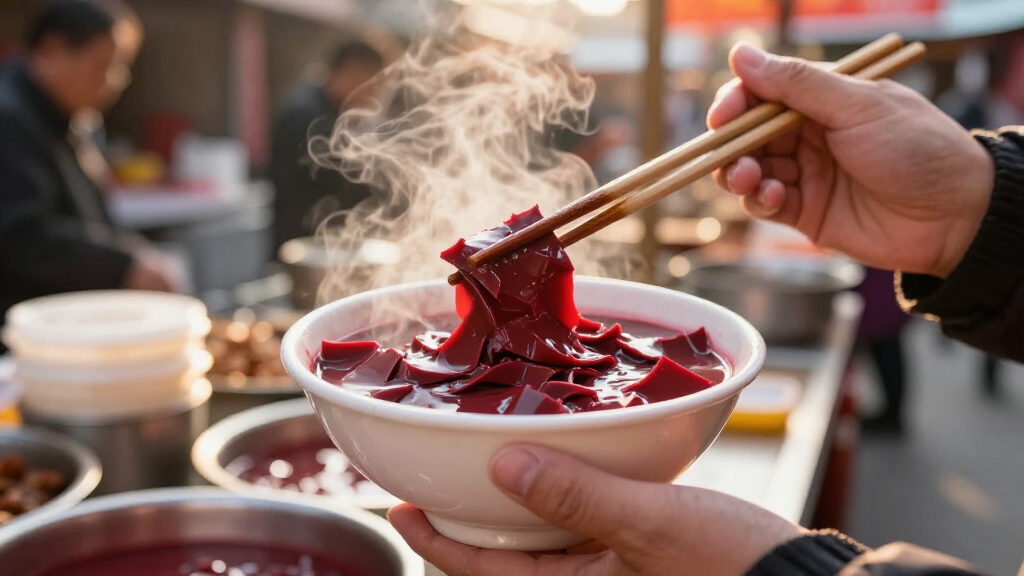
According to reports from local vendors and market observers, the demand for pig blood curd remains significantly higher than the available supply in Singapore. The ban was officially lifted in late July 2024, after being in place for several months due to food safety concerns. Since then, supply has not kept pace with consumer demand, resulting in shortages at wet markets and specialty stores. Officials from the Agri-Food & Veterinary Authority (AVA) have acknowledged the ongoing supply issues but have not yet announced concrete measures to fully address the gap. Some vendors have resorted to sourcing from alternative suppliers or increasing prices, but shortages persist across multiple districts.
Why Persistent Pig Blood Curd Shortages Impact Singapore’s Food Scene
The ongoing shortage of pig blood curd affects local food vendors, especially those specializing in traditional dishes like pig blood cake and hotpot ingredients. It also impacts consumer choices and the cultural culinary landscape. The situation underscores broader supply chain vulnerabilities and the challenges of balancing food safety regulations with market demand, which could influence future policy decisions and industry practices in Singapore.As an affiliate, we earn on qualifying purchases.
Regulatory Changes and Supply Chain Challenges in Singapore’s Food Market
Singapore imposed a ban on pig blood curd amid food safety concerns, which was lifted in late July 2024 following new safety protocols and inspections. Since then, demand has surged, driven by traditional cuisine preferences and increased consumer interest. However, supply chain disruptions—exacerbated by limited local pig blood processing facilities and import restrictions—have prevented supply from meeting demand. Experts note that the limited capacity of local suppliers and logistical hurdles have contributed to the ongoing shortages. Previously, the ban had caused a significant drop in availability, but the subsequent lifting has not fully restored the market balance.
“We’ve been struggling to get enough pig blood curd for our customers. Prices are going up, but supply remains limited.”
— Ms. Tan Li Mei, local vendor
Unresolved Supply Chain and Policy Adjustment Questions
It is still unclear how long the supply shortage will persist and what specific measures authorities will implement to address it. Details about the capacity of local producers, import plans, or regulatory adjustments remain undisclosed. The effectiveness of current efforts to increase supply has yet to be evaluated, and future timelines are uncertain.
Expected Steps to Stabilize Pig Blood Curd Supply
Authorities are expected to review and potentially expand import allowances and support local producers to boost supply. Market sources suggest that further inspections and safety certifications could be expedited to facilitate quicker availability. Monitoring of the situation will continue, with possible policy adjustments announced in the coming weeks. Vendors and consumers await clearer timelines and solutions.
Key Questions
Why was pig blood curd banned in Singapore initially?
The ban was implemented due to food safety concerns, specifically related to contamination risks and processing standards.
Has the ban been fully lifted?
Yes, the ban was officially lifted in late July 2024, but supply issues persist.
What are the main reasons for the ongoing shortages?
Supply chain disruptions, limited local processing capacity, and import restrictions are primary factors.
Are there alternative sources for pig blood curd in Singapore?
Some vendors are sourcing from alternative suppliers or importing from nearby countries, but these efforts have not fully met demand.
How might the government address the shortage?
Possible measures include easing import restrictions, supporting local producers to increase capacity, and streamlining safety inspections.
Source: local