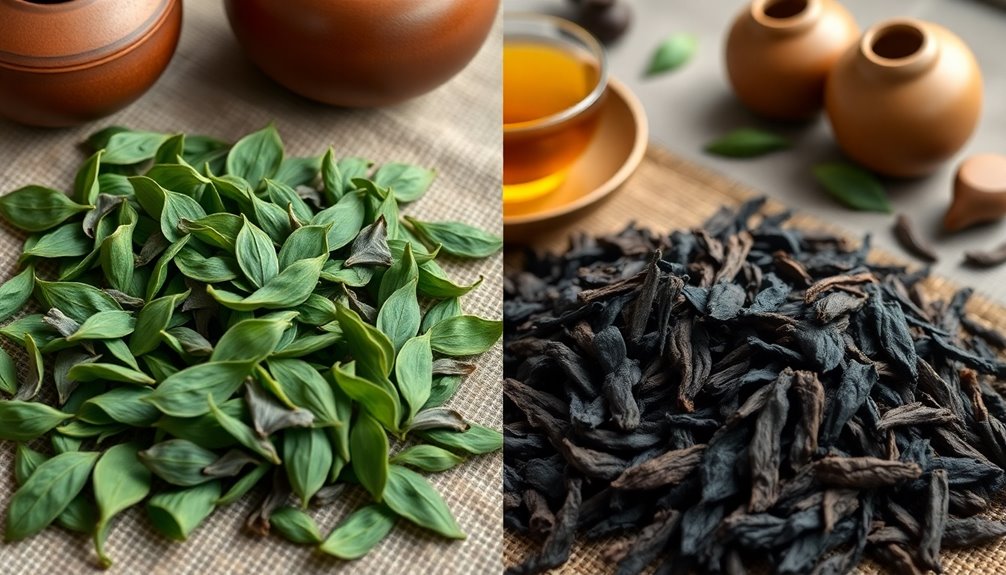
Pu-erh tea shapes modern tea culture by blending ancient fermentation techniques with contemporary appreciation for craftsmanship and health. It inspires experimentation with aging and flavor profiles, making traditional practices relevant today. Its probiotic qualities support health trends, attracting new audiences. Pu-erh bridges cultural history with modern innovation, elevating artisanal methods and fostering a global, inclusive tea community. If you want to discover how it continues to influence the future of tea, keep exploring.

Get coffee and tea gear delivered free with Prime
- Fast, free delivery on millions of items
- Prime Video, Amazon Music and more included
- Member-only deals all year
Key Takeaways
- Pu-erh’s fermentation process inspires modern experimentation with aging, blending, and unique flavor profiles in tea production.
- It bridges traditional Chinese craftsmanship with contemporary appreciation, fostering innovation in modern tea practices.
- Its probiotic qualities align with global health trends, promoting acceptance of fermented teas worldwide.
- Pu-erh highlights artisanal methods, emphasizing the artistry and cultural significance behind traditional fermentation techniques.
- The tea acts as a cultural connector, uniting Chinese heritage with global trends and evolving modern tea culture.
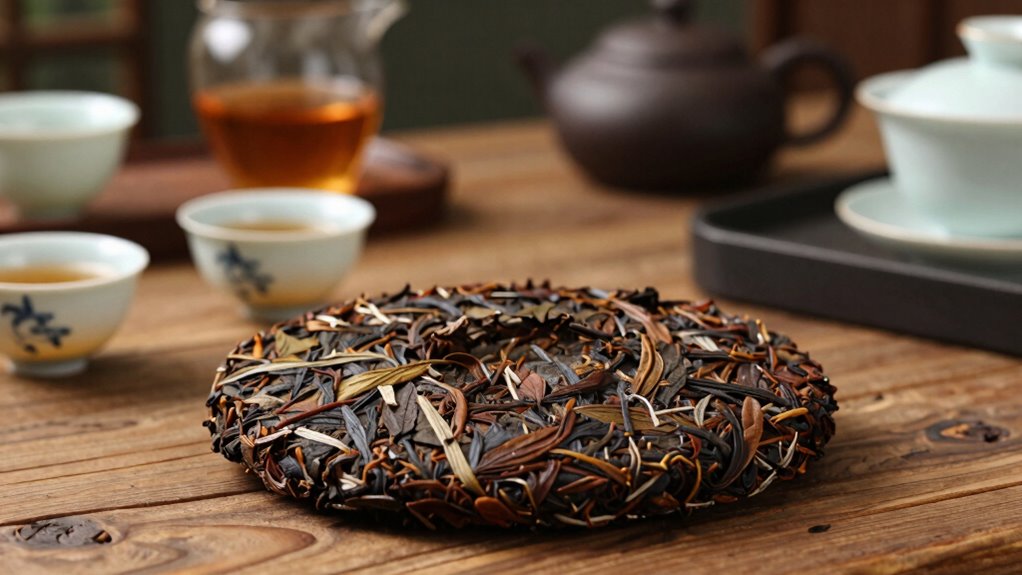
Pu-erh tea, with its rich history and unique fermentation process, has become an essential part of modern tea culture worldwide. This ancient beverage has transcended its origins in China’s Yunnan province to influence global tea trends, largely through its distinctive approach to tea fermentation. This fermentation not only creates a complex taste profile but also symbolizes a broader cultural integration, blending traditional Chinese practices with contemporary appreciation for artisanal and fermented foods.
Pu-erh tea’s natural fermentation deepens flavor and symbolizes the blending of tradition with modern wellness and craftsmanship.
As you explore modern tea culture, you’ll notice how Pu-erh’s fermentation process inspires innovation within the tea industry. The fermentation breathes new life into ancient methods, encouraging producers and enthusiasts to experiment with aging techniques, blending, and flavor profiles. This process exemplifies how traditional tea practices adapt and thrive in modern contexts, fostering a deeper appreciation for craftsmanship and patience. The cultural significance of fermentation extends beyond taste, as it reflects a respect for time-honored techniques that connect past and present. In doing so, Pu-erh becomes more than just a beverage—it becomes a cultural symbol that bridges generations.
You might also observe that the integration of Pu-erh into contemporary tea culture promotes a broader acceptance of fermented foods and drinks. As global consumers become more health-conscious, the probiotic qualities associated with fermented teas resonate with modern wellness trends. This shift encourages a wider demographic to explore Pu-erh, fostering cultural exchange and appreciation. The process of tea fermentation, which transforms plain tea leaves into something with depth and character, exemplifies how traditional practices adapt to modern tastes and health preferences. It also highlights the fermentation process as a key innovation that modernizes traditional tea craftsmanship. Embracing fermentation techniques allows for new flavor profiles and a deeper understanding of the cultural roots of tea. Furthermore, emphasizing the artisanal methods underscores the importance of craftsmanship in today’s tea industry. Recognizing the cultural significance of fermentation enriches our appreciation for the tradition and its modern adaptations. This ongoing evolution demonstrates how traditional fermentation techniques continue to influence contemporary food and beverage trends, making Pu-erh a key innovation in modern tea culture. It’s this blend of history, health, and innovation that elevates Pu-erh’s role in shaping modern tea culture.
In essence, Pu-erh tea‘s influence goes beyond the cup. Its fermentation process acts as a cultural connector, uniting traditional Chinese tea craftsmanship with contemporary global trends. By embracing fermentation, modern tea culture becomes more dynamic and inclusive, celebrating the artistry behind each brew. Whether you’re a seasoned tea connoisseur or a curious beginner, understanding how Pu-erh’s fermentation and cultural integration shape today’s tea landscape helps you appreciate its significance. It’s a testament to how age-old techniques can invigorate modern practices, making Pu-erh a crucial part of the ongoing evolution of tea worldwide.
As an affiliate, we earn on qualifying purchases.
Frequently Asked Questions
How Does Pu-Erh Tea Compare to Other Fermented Teas?
You’ll find that Pu-erh tea differs from other fermented teas through its unique fermentation process, which involves microbial aging, often spanning years. This process develops a rich, earthy flavor profile that’s distinct and complex. Unlike some fermented teas, Pu-erh can be stored and aged further, deepening its taste. Its bold, smooth character makes it stand out in modern tea culture, appreciated by enthusiasts seeking depth and tradition in their tea experience.
What Are the Health Benefits Unique to Pu-Erh Tea?
You might think the fermentation process is just a fancy step, but it actually reveals unique health benefits. Pu-erh tea promotes digestion, aids weight loss, and lowers cholesterol, making it a true wellness elixir. Its probiotics support gut health, and antioxidants fight free radicals. Ironically, the very fermentation that ages the tea also ages your health for the better, providing a flavorful boost to your well-being.
How Has Pu-Erh Tea Influenced Global Tea Tasting Trends?
You notice that Pu-erh tea has profoundly shaped global tea tasting trends by emphasizing flavor complexity and aging techniques. As you explore different aged varieties, you experience a deeper appreciation for its rich, layered profiles. Its unique aging process influences modern connoisseurs to seek out teas with nuanced flavors, encouraging a more sophisticated palate. This focus on aging and complexity has elevated tea tasting from casual sipping to a refined sensory experience worldwide.
Are There Specific Rituals Associated With Pu-Erh Tea Brewing?
Think of Pu-erh tea brewing as a silent dance, echoing ancient tea ceremonies. You follow specific rituals, from warming the teapot to rinsing the leaves, respecting brewing etiquette that honors tradition. These rituals, much like a well-choreographed ballet, deepen your connection to the tea. Embracing these ceremonies elevates your experience, turning everyday brewing into a mindful art that links you to centuries of tea culture.
What Are the Environmental Impacts of Pu-Erh Tea Production?
The environmental impacts of pu-erh tea production include concerns about sustainable farming practices and pollution reduction. When you choose brands that prioritize sustainable farming, they minimize land degradation and conserve resources. Additionally, responsible producers reduce pollution from processing and packaging, protecting local ecosystems. Your support for eco-friendly methods encourages the industry to adopt better environmental standards, ensuring pu-erh tea remains a sustainable and eco-conscious choice for tea lovers like you.
Conclusion
As you explore the world of pu-erh tea, you might notice how its rich history unexpectedly shapes today’s tea culture. Just as the ancient tea masters crafted this brew with care, modern enthusiasts find themselves drawn into a tradition that feels both timeless and fresh. It’s almost as if, by sipping pu-erh, you’re part of a surprising coincidence—linking past and present in every steep. Truly, this tea’s influence is a delightful reminder that history and modern life often intertwine.
Halloween Picks
halloween
As an affiliate, we earn on qualifying purchases.