Many tea lovers miss how matcha is more than just a tasty drink—it’s a profound cultural experience rooted in centuries-old Japanese rituals that emphasize mindfulness, respect, and harmony. They often overlook its health benefits, like antioxidants and calming effects, or the importance of sustainable, ethical sourcing. By appreciating the ceremonial aspects and the traditions behind matcha, you can transform your cup into a meaningful practice. Keep exploring to uncover the full depth of this vibrant tea.

Get coffee and tea gear delivered free with Prime
- Fast, free delivery on millions of items
- Prime Video, Amazon Music and more included
- Member-only deals all year
Key Takeaways
- The deep cultural and ceremonial significance behind traditional matcha preparation and consumption.
- The extensive health benefits from consuming the entire tea leaf, including antioxidants and calming compounds.
- The mindfulness and respect embedded in the ritual, transforming drinking into a meditative practice.
- The importance of sustainable and ethical sourcing that supports environmental responsibility.
- The broader cultural and historical context often overlooked when viewing matcha as just a trendy beverage.

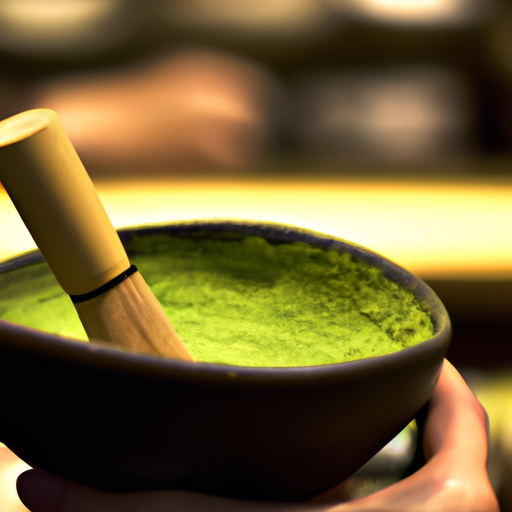
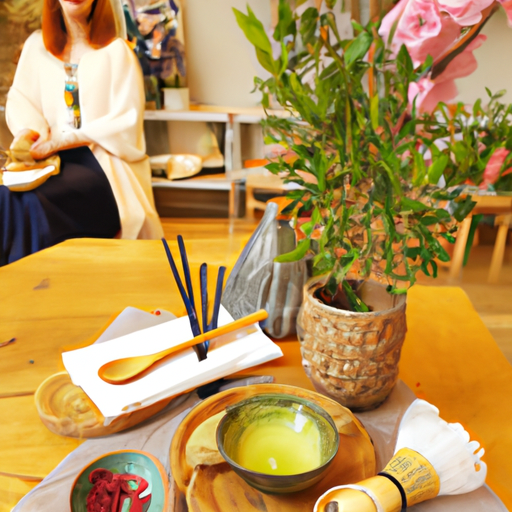
Matcha tea, a vibrant green powder made from finely ground shade-grown tea leaves, has been cherished for centuries in Japanese culture. Many people focus on its flavor or the energizing boost it provides, but what often goes unnoticed are its deeper ceremonial significance and impressive health benefits. When you sip on matcha, you’re not just drinking a beverage—you’re participating in a tradition that dates back hundreds of years. The ceremonial aspect of matcha is rooted in Japanese tea rituals, where every step is deliberate and meaningful. Preparing matcha isn’t just about making a drink; it’s an act of mindfulness, patience, and respect. From whisking the powder to achieve a frothy surface to savoring it slowly, each movement honors the cultural heritage. This ceremony emphasizes harmony, purity, and tranquility, offering more than just a caffeine fix. It’s a moment of reflection and connection to a long-standing tradition that many enthusiasts overlook when they casually consume matcha.
Beyond its cultural importance, matcha packs a powerful health punch that many tea lovers miss. Unlike steeped teas, where some nutrients are lost in the water, matcha provides the entire leaf in powdered form, ensuring you get a concentrated dose of antioxidants, amino acids, and vitamins with every sip. Its high levels of catechins, especially EGCG, make it a potent ally in fighting free radicals and reducing inflammation. These antioxidants are linked to improved skin health, boosted immunity, and even potential cancer-fighting properties. Additionally, matcha’s unique combination of caffeine and L-theanine creates a calm alertness that lasts longer and feels smoother than coffee. Many people underestimate how this smooth energy can improve focus and reduce stress, making matcha an excellent choice for mental clarity and emotional balance. Incorporating ceremonial preparation into your routine can deepen your appreciation for this beverage and its cultural roots. Recognizing the holistic health benefits of matcha can transform a simple act into a moment of self-care that nurtures both body and mind.
Understanding the sustainability of matcha production also helps consumers appreciate its environmental impact and the importance of ethical sourcing. When you learn about the environmental impact of matcha farming, it can influence your choices and promote more sustainable consumption habits. Most tea lovers miss the full spectrum of what matcha offers because they often just see it as a trendy beverage. They overlook its ceremonial roots and the profound health advantages that come with incorporating it into their routine. When you understand and appreciate these aspects, you gain a richer experience that elevates your appreciation of this vibrant green powder. It’s not just about the taste or caffeine boost—it’s about engaging with a tradition that promotes mindfulness and health. Recognizing this depth transforms your simple cup of matcha into a meaningful ritual, connecting you to centuries of cultural heritage and wellness practices. So, next time you prepare or sip your matcha, remember there’s more than meets the eye—there’s history, mindfulness, and a powerful health tool waiting for you.
Products Worth Considering

Cuisinart Stainless Steel Bread Maker, 12 Programs, 2 lb Capacity

Le Creuset Enameled Cast Iron Round Dutch Oven, 5.5 Qt, Flame

Breville Smart Grinder Pro Conical Burr Coffee Grinder, Brushed Stainless Steel
As an affiliate, we earn on qualifying purchases.
Frequently Asked Questions
How Does Matcha Compare to Other Green Teas in Antioxidants?
Matcha has higher antioxidant levels than regular green teas because you consume the whole leaf in powdered form. In a green tea comparison, matcha provides more catechins and EGCG, boosting your health benefits. This means you get a more potent dose of antioxidants per serving, making it a superior choice if you’re seeking maximum health benefits from your tea. So, when comparing green teas, matcha clearly stands out for antioxidant content.
Can Matcha Be Brewed Cold or Only Hot?
You can absolutely brew matcha cold, turning it into a revitalizing splash on hot days. Cold brewing lets you enjoy its subtle, delicate flavors without heat, preserving its natural nuances. Just whisk your matcha with cold water or milk, and let it chill. Whether you prefer hot or cold, matcha’s versatility adapts to your temperature preferences, making every sip a personalized experience—like a cool breeze or a warm hug in a cup.
What Are the Best Ways to Store Matcha for Freshness?
To keep your matcha fresh, store it in an airtight container away from light, heat, and moisture. Proper tea storage is key to maintaining matcha freshness, so choose a cool, dark place like a pantry or fridge. Avoid storing it near strong-smelling foods, as matcha easily absorbs odors. By protecting your matcha from air and light, you guarantee every cup tastes vibrant and full of flavor.
Is There a Specific Time of Day to Enjoy Matcha?
You should enjoy matcha during your morning ritual or as an afternoon boost. Drinking it in the morning helps energize your day with its natural caffeine, while in the afternoon, it offers a smooth pick-me-up without the jitters. Avoid late evening to prevent disrupting your sleep. Sipping matcha at these times allows you to savor its vibrant flavor and reap its calming yet invigorating benefits.
Are There Any Health Risks Associated With Matcha Consumption?
Yes, there are some health risks with matcha consumption. Its Matcha caffeine content can cause jitters, insomnia, or increased heart rate if you drink too much. Additionally, some matcha may contain pesticide residue, so choosing organic options is wise. Be mindful of these risks, especially if you’re sensitive to caffeine or concerned about pesticides. Moderation helps you enjoy matcha’s benefits while minimizing potential health issues.
Conclusion
Don’t overlook the little details that make matcha special; it’s more than just a vibrant green powder. Like a hidden gem waiting to be uncovered, its rich history, delicate preparation, and unique health benefits add depth to every sip. When you appreciate these nuances, you’ll find yourself savoring it not just as a drink, but as a ritual that awakens your senses and nourishes your soul. Embrace the magic, and let matcha transform your tea experience.