Indian tea has a rich history spanning centuries, shaped by both indigenous traditions and British colonial influence. You’ll find that regions like Assam, Darjeeling, and Nilgiri each produce unique flavors thanks to their climate and terrain. Tea is deeply woven into Indian culture, symbolizing hospitality, social bonds, and tradition. If you want to explore how these elements blend into India’s vibrant tea heritage, there’s much more to discover ahead.
Key Takeaways
- Indian tea has a centuries-old history influenced by British colonialism, shaping its cultivation and global reputation.
- Major tea-producing regions include Assam, Darjeeling, and Nilgiri, each contributing unique flavors.
- Tea holds cultural significance in India, symbolizing hospitality, social bonding, and spiritual practices.
- Traditional cultivation involves community participation, rituals, and careful regional adaptation.
- Today, Indian tea remains a symbol of national pride, with standards ensuring quality and authenticity.

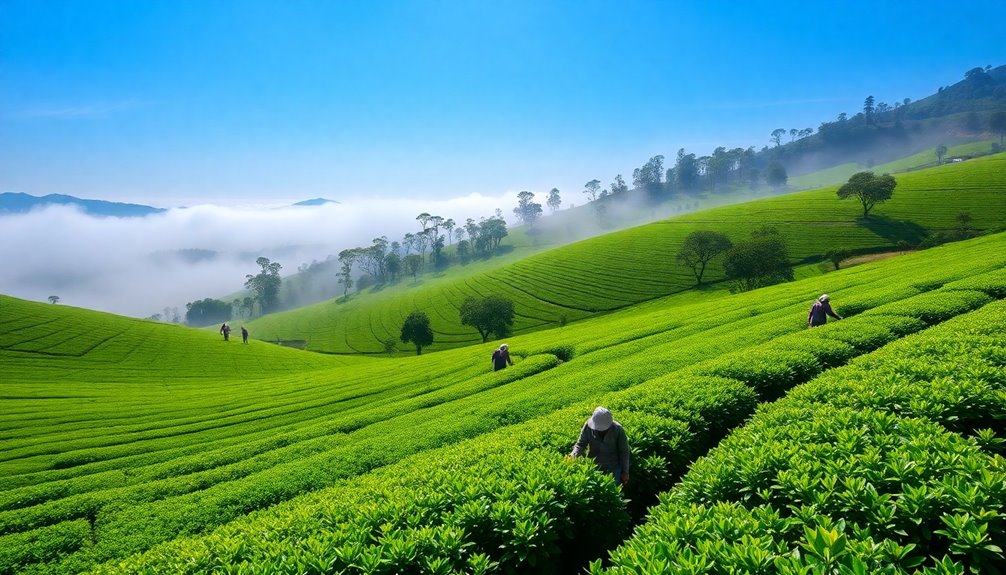
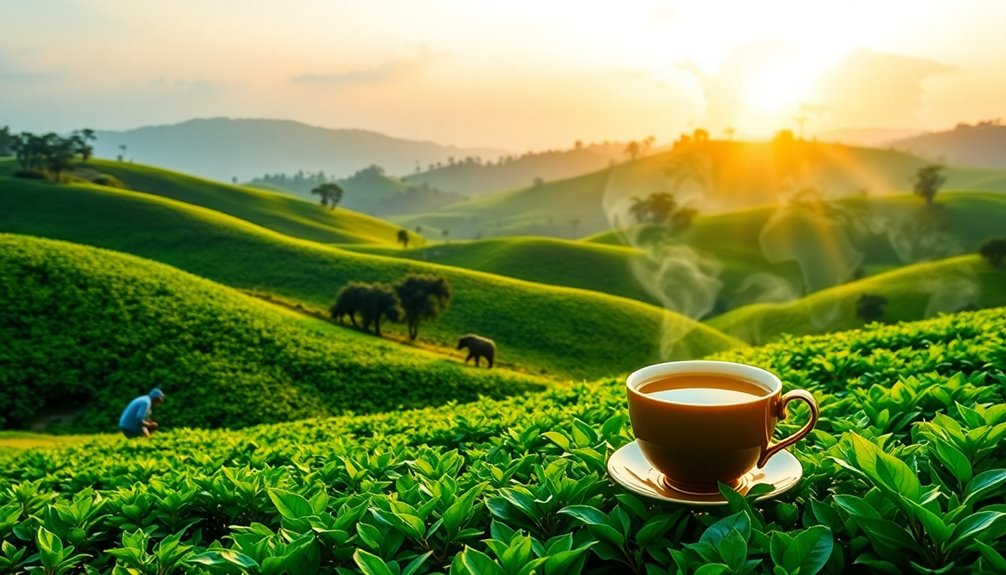
India is one of the world’s largest producers and consumers of tea, with a rich history that dates back centuries. Tea cultivation has become an integral part of the country’s landscape, economy, and daily life. You’ll notice that in India, tea isn’t just a beverage; it’s woven into the fabric of culture and tradition. From the sprawling plantations of Assam and Darjeeling to the lush hills of Nilgiri, the cultivation process is both an art and a science. You might find that each region’s climate and terrain influence the flavor profiles, making Indian tea uniquely diverse. The meticulous care taken during tea cultivation reflects centuries of tradition, where farmers and workers have perfected their craft over generations. You’ll see that tea cultivation in India isn’t just a commercial activity; it’s a cultural ritual. It often involves community gatherings, festivals, and family traditions, demonstrating its deep-rooted importance.
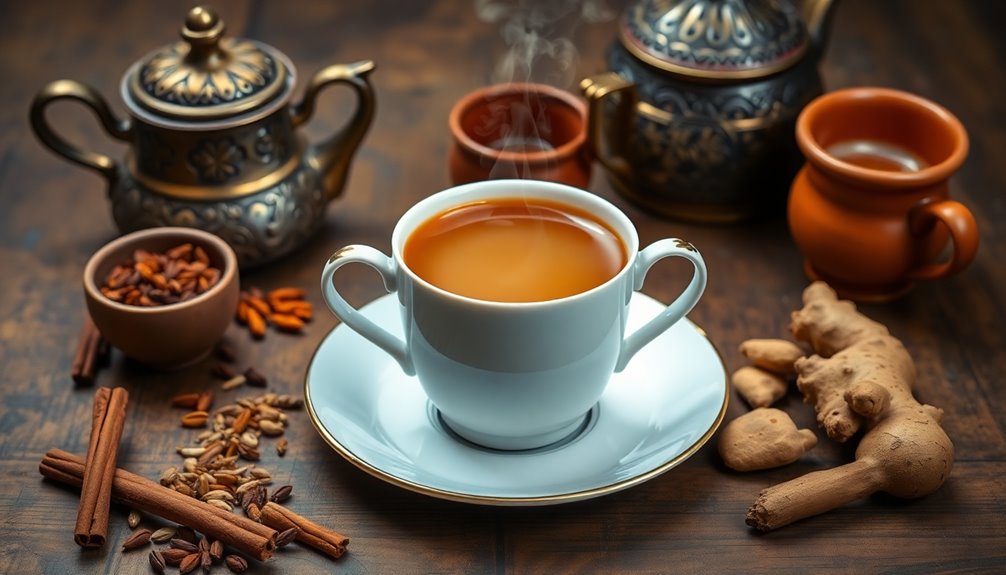
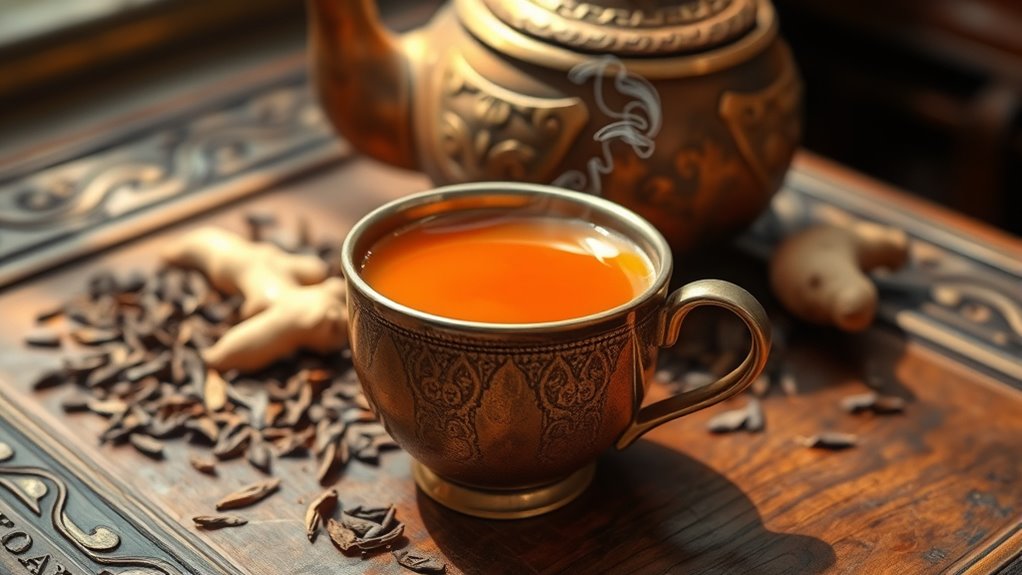
The cultural importance of Indian tea runs far beyond its production. When you sip a cup of chai or a delicate Darjeeling brew, you participate in a tradition that dates back hundreds of years. Tea has been a symbol of hospitality, social bonding, and spiritual practice in India. You might observe that in many households, offering tea to guests is a sign of respect and warmth. Tea-drinking customs vary across regions, but the underlying theme remains the same: it’s a way to connect, converse, and celebrate. In Indian society, tea stalls or “chaiwalas” serve as social hubs where people gather to discuss daily life, politics, and community issues over steaming cups. This communal aspect underscores how tea is more than a beverage; it’s a social glue that binds people together.
Throughout history, the British colonial influence profoundly shaped India’s tea industry, but local traditions preserved its cultural importance. Today, you’ll see that Indian tea continues to be a symbol of national identity, pride, and cultural heritage. The process of tea cultivation, from planting to plucking, is often regarded as a sacred task that upholds centuries-old customs. Additionally, the regulation and standards surrounding Indian tea ensure its quality and authenticity, reinforcing its reputation worldwide. The vibrant rituals surrounding tea in India remind you that it’s not just about taste but about tradition, community, and cultural expression. Whether you’re enjoying a simple cup at home or partaking in a festival, the cultural importance of Indian tea is evident in every sip, making it a true reflection of India’s rich history and enduring legacy.
Frequently Asked Questions
What Are the Different Types of Indian Tea Varieties?
You can explore various Indian tea varieties like Assam, Darjeeling, and Nilgiri. Each type results from unique tea processing methods, which influence flavor and aroma. When tasting these teas, use different tea tasting techniques to identify subtle differences. For instance, Assam offers bold, malty notes, while Darjeeling has a delicate, floral profile. Your appreciation deepens as you understand how processing impacts each tea’s distinctive characteristics.
How Did Tea Cultivation Spread Across India Historically?
Imagine you’re back in colonial times, where tea cultivation spread across India like a viral app. The tea cultivation history starts with the British establishing plantations in Assam and Darjeeling, boosting the Indian tea trade. They introduced tea to various regions, transforming India into a major exporter. This expansion was driven by demand and strategic planting, creating diverse Indian tea varieties that are enjoyed worldwide today.
Which Regions in India Are Famous for Specific Teas?
You’ll find Assam famous for its robust, malty teas, with sprawling tea estates producing bold flavors. Darjeeling is renowned for its delicate, floral teas, often called the “Champagne of Teas,” thanks to its unique regional flavors from high-altitude tea estates. In Tamil Nadu, the Nilgiri region offers fragrant, bright teas, while Kangra Valley produces smooth, aromatic varieties. Each region’s tea estate creates distinct flavors, making Indian teas a diverse, flavorful experience.
How Has Indian Tea Influenced Global Tea Markets?
You see, when you think of Indian tea, you realize it’s a game-changer in global markets. Indian tea’s high quality and unique flavors boost tea exports and elevate India’s status in global branding. This influence helps shape international trends and standards. As the saying goes, “A rising tide lifts all ships,” Indian tea’s prominence elevates the entire global tea industry, making it more diverse and dynamic.
What Traditional Indian Ceremonies Involve Tea?
You’ll find that traditional Indian ceremonies, like tea rituals during festivals or religious events, involve specific tea etiquette and ceremonial rituals. In these moments, you pour tea with respect, often using delicate cups, and share it as a symbol of hospitality and community. These rituals highlight the cultural significance of tea, emphasizing reverence, mindfulness, and social bonding, making tea much more than just a beverage in Indian traditions.
Conclusion
As you explore Indian tea, you’ll discover its rich history and deep cultural roots. Many believe that the British popularized tea in India during colonial times, but evidence suggests local traditions predate that era. So, when you sip your cup, remember it’s a blend of ancient origins and vibrant history. Enjoy each sip, knowing you’re part of a centuries-old journey that shaped India’s love affair with tea. Cheers to that timeless tradition!