Tea’s history holds deep spiritual and philosophical meanings that can transform your perspective. It encourages mindfulness, helping you slow down and connect with the present moment. Across cultures, tea symbolizes harmony, respect, and tranquility, serving as a bridge between material and spiritual worlds. Engaging with tea rituals invites reflection on life’s balance, patience, and acceptance. Exploring these timeless traditions reveals how tea fosters inner peace and universal understanding—if you stay curious, you’ll uncover even more insights.
Key Takeaways
- Tea symbolizes harmony, respect, purity, and tranquility in Zen Buddhism, serving as a metaphor for patience and acceptance.
- Tea rituals foster mindfulness, inner peace, and spiritual connection through meditative preparation and consumption practices.
- In Chinese philosophy, tea embodies yin-yang balance, reflecting harmony and philosophical dialogue with nature.
- Sharing tea enhances community bonds, spiritual reflection, and deepens understanding of self and universal interconnectedness.
- The symbolic process of brewing and sipping tea encourages patience, growth, and contemplative awareness of life’s transient nature.
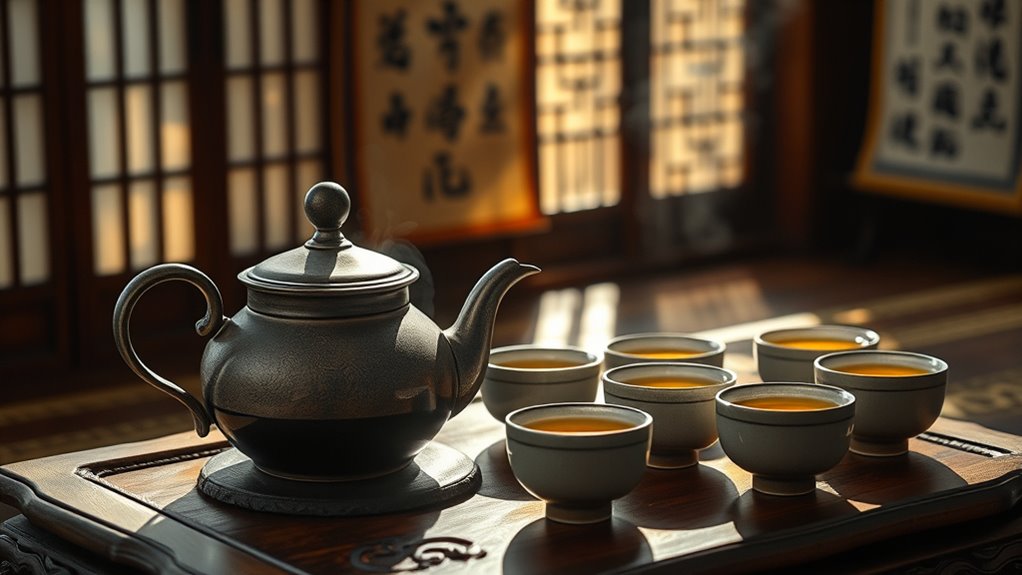
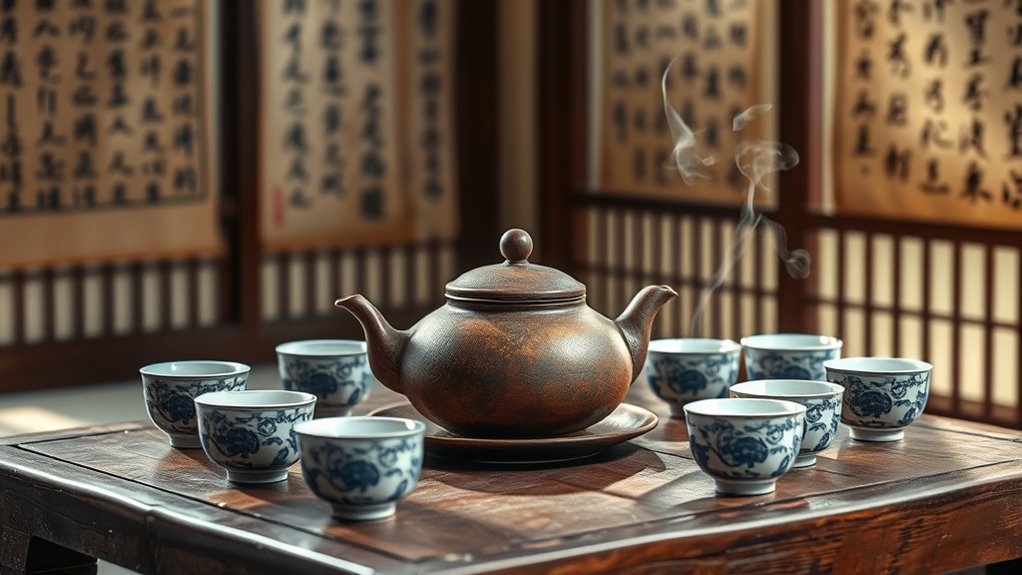
Tea’s journey through history goes beyond its role as a simple beverage; it embodies deep spiritual and philosophical significance across cultures. When you sip tea mindfully, you’re engaging in more than just taste—you’re participating in mindfulness practices that heighten your awareness and foster inner calm. This act of mindful drinking is rooted in centuries-old traditions, where every movement, every aroma, and every sip encourages you to slow down and connect with the present moment. In many cultures, tea isn’t just about quenching thirst; it’s a vessel for philosophical symbolism. For instance, in Zen Buddhism, the tea ceremony symbolizes harmony, respect, purity, and tranquility. These principles serve as a reminder to approach life with mindfulness and reverence, turning a simple act into a spiritual discipline. The ritualistic nature of tea preparation and consumption invites you to cultivate patience and focus, transforming a daily routine into a meditative practice. The philosophical symbolism of tea extends into its role as a metaphor for life itself. Just as tea leaves steep and release their essence gradually, you’re encouraged to embrace patience and acceptance, understanding that growth and clarity often come with time. This symbolism encourages a contemplative attitude—viewing challenges as opportunities for reflection and personal development. Across different cultures, tea also serves as a bridge between the material and spiritual worlds. In Chinese philosophy, tea embodies the harmony of yin and yang, representing balance and interconnectedness. When you participate in tea ceremonies, you’re engaging in a dialogue with these ancient ideas, subtly reminding you of your place within a larger universe. The act of sharing tea can deepen your sense of community and spiritual connection, emphasizing the importance of mindfulness in relationships. Furthermore, tea’s cultural significance often highlights its role in rituals designed to foster inner peace and clarity. The appreciation of tea’s aesthetic qualities, such as its color, aroma, and presentation, also enhances its cultural significance and elevates the experience to a spiritual level. Whether in the form of a quiet moment alone or a communal gathering, the ritual of preparing and drinking tea becomes a spiritual act, encouraging reflection and self-awareness. In essence, tea’s historical and cultural importance is intertwined with its philosophical symbolism and mindfulness practices, making it more than just a drink. It becomes a pathway to understanding oneself and the universe, inviting you to slow down, reflect, and find harmony amid the chaos of daily life. So, each time you brew or sip tea, remember that you’re participating in a rich tradition that nurtures your mind, body, and spirit through centuries of wisdom.
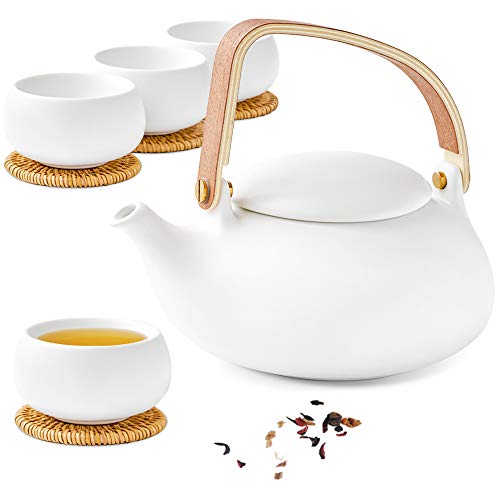
ZENS Modern Japanese Tea Set, 27 oz Ceramic Japanese Teapot with Fine Stainers and 4 Cups for Loose Leaf Tea Steeper, Wood Handle Matte Japanese Teapots Hot Tea Brewer for Tea Party Women Gifts
CONTEMPORARY JAPANESE TEAPOT SET-This minimalist japanese teapot set design with slightly unique flat cobblestone shape by nature and…
As an affiliate, we earn on qualifying purchases.
As an affiliate, we earn on qualifying purchases.
Frequently Asked Questions
How Does Tea Influence Modern Spiritual Practices Worldwide?
Tea influences your modern spiritual practices by serving as a calming aid during meditation and as a meaningful ritual. You find that brewing and sipping tea helps you focus, relax, and connect with the present moment. Many use tea as a ritual to create mindfulness, deepen their spiritual experience, and foster community. Its calming properties support your practice, making it an integral part of contemporary spiritual routines worldwide.
What Are the Ancient Philosophical Teachings Associated With Tea Ceremonies?
You discover that ancient philosophical teachings associated with tea ceremonies emphasize harmony, respect, purity, and tranquility. Tea symbolism reflects these principles, encouraging mindfulness and presence. These teachings promote balance in life and foster spiritual growth through mindful preparation and consumption. By embracing these philosophies, you cultivate inner peace and deepen your connection with others, recognizing that tea is more than a beverage — it’s a pathway to wisdom and spiritual enlightenment.
Can Tea Consumption Promote Mental Clarity and Spiritual Awakening?
Tea rituals and mindful brewing can certainly promote mental clarity and spiritual awakening. When you focus on each step, from steaming the leaves to sipping slowly, you cultivate calm and concentration. This intentional practice clears your mind, sharpens perception, and opens your spirit. Embrace tea as a tool for tranquility, allowing its soothing qualities to deepen your awareness and ignite inner insight through deliberate, mindful moments.
How Do Different Cultures Interpret Tea’s Symbolic Significance?
You see that different cultures interpret tea’s symbolic significance through unique lenses. In Japan, tea embodies ritual significance, emphasizing harmony and mindfulness in the tea ceremony. In Britain, it symbolizes hospitality and social connection. Chinese culture views tea as a symbol of purity and balance, reflecting their philosophical values. These cultural symbolisms shape how you experience tea, transforming it from a simple beverage into a meaningful ritual that reflects deeper cultural values.
What Role Does Tea Play in Fostering Mindfulness and Meditation?
They say, “A cup of tea is an act of mindfulness.” You can use tea to foster mindfulness cultivation by focusing on each sip, enhancing your meditation practices. As you prepare and drink tea, it encourages present-moment awareness, calming your mind. This simple ritual helps deepen meditation, creating a tranquil space for reflection and clarity. Embrace tea as a tool for mindfulness and meditation enhancement in your daily routine.

2pcs Tea Bag Squeezer, Stainless Steel Tea Spoon for Loose Tea Ice Sugar Cubes Tea Spoon Tea Strainers Tea Tongs Clip on Strainer Tea Accessories for Tea Drinkers
Package Includes: There are 2 pieces of tea bag squeeze pliers inside, practical functions and sufficient quantity can…
As an affiliate, we earn on qualifying purchases.
As an affiliate, we earn on qualifying purchases.
Conclusion
As you reflect on tea’s rich spiritual and philosophical roots, remember its role in fostering mindfulness and connection across cultures. Did you know that over 2 billion cups of tea are consumed daily worldwide? This highlights tea’s profound influence on daily life, promoting serenity and reflection. Embracing tea’s deeper significance can enrich your daily routine, reminding you to slow down, be present, and appreciate life’s simple moments.

REOWONU Chinese Tea Set Traditional, Chinese Kung Fu Tea Set for Adults, Gaiwan Tea Set with 6 Cups (QLJS Gaiwan6)
Portable Versatility:This comprehensive Chinese kung fu tea set features a compact and portable design, allowing you to savor…
As an affiliate, we earn on qualifying purchases.
As an affiliate, we earn on qualifying purchases.

Kombucha Starter Kit with kombucha SCOBY, starter tea, organic sugar, black tea, pH strips, thermometer, coffee filters, rubber band, instructions – Kombucha Brewing Kit without jar
LET US TAKE THE STRESS OUT OF BREWING FOR YOU! Our Kombucha Starter Kit was designed to address…
As an affiliate, we earn on qualifying purchases.
As an affiliate, we earn on qualifying purchases.