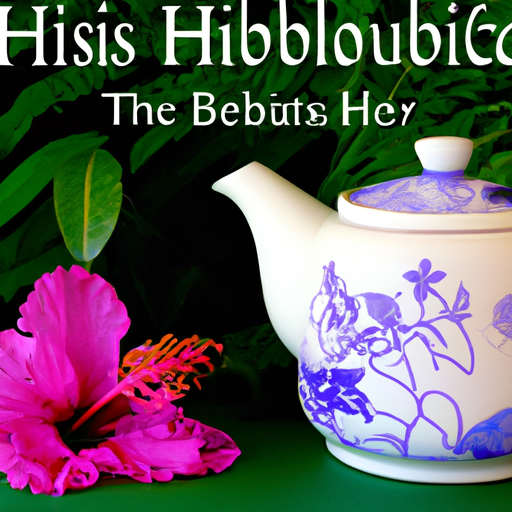
Choosing sustainably cultivated and ethically sourced hibiscus tea supports the environment, fair labor practices, and authentic flavor. Organic farming methods avoid harmful chemicals, protect soil and biodiversity, and promote ecosystem health. Fair trade certification ensures farmers receive fair compensation and good working conditions. By opting for such tea, you help reduce ecological impact and support community well-being. Want to discover how these practices guarantee a better, more responsible tea experience? Keep exploring to learn more.

Get coffee and tea gear delivered free with Prime
- Fast, free delivery on millions of items
- Prime Video, Amazon Music and more included
- Member-only deals all year
Key Takeaways
- Organic cultivation of hibiscus reduces chemical runoff and promotes soil health, supporting eco-friendly farming practices.
- Fair trade certification ensures fair wages and ethical treatment for hibiscus farmers and workers.
- Sustainable practices like crop rotation and natural pest control minimize environmental impact during hibiscus cultivation.
- Ethical sourcing guarantees transparency, supporting community development and fair compensation in hibiscus supply chains.
- Choosing sustainably cultivated hibiscus tea helps protect ecosystems, promote biodiversity, and encourage systemic change in agriculture.

Hibiscus tea has gained popularity worldwide for its vibrant color and health benefits, but its production isn’t just about flavor—it’s also about responsibility. When you choose a cup of hibiscus tea, you’re supporting more than just your health; you’re endorsing sustainable practices that protect the environment and uplift local communities. One of the most impactful ways to do this is by selecting teas produced through organic farming. Organic farming avoids synthetic pesticides, fertilizers, and genetically modified organisms, reducing harmful chemical runoff and preserving soil health. By supporting brands that prioritize organic cultivation, you help promote agricultural methods that are better for the planet and safer for farmworkers. This approach also typically results in a more authentic, richer flavor profile, as the plants grow naturally without artificial inputs.
Equally important is fair trade certification, which ensures that farmers and workers receive fair compensation for their labor. When you buy fair trade hibiscus tea, you’re contributing to better living conditions, community development, and sustainable livelihoods for those who grow and harvest the flowers. Fair trade standards also promote environmentally friendly farming practices, including responsible water use and soil conservation, aligning with the goals of sustainability. By choosing fair trade options, you’re making a conscious decision to support ethical sourcing practices that prioritize human dignity and ecological balance. This creates a positive ripple effect, encouraging more producers to adopt ethical standards and sustainable methods.
Choosing fair trade hibiscus supports fair wages, community growth, and eco-friendly farming practices.
Furthermore, sustainable cultivation isn’t just about what happens in the field. It involves respecting local ecosystems and reducing waste throughout the supply chain. Organic farms often embrace crop rotation and natural pest control, which help maintain biodiversity and reduce chemical dependency. Fair trade organizations often facilitate community-centered programs, empowering farmers to invest in renewable energy or organic certification, further reducing their environmental footprint. When you purchase hibiscus tea from responsible sources, you’re actively participating in a system that values transparency, fairness, and environmental stewardship. Supporting certifications like organic and fair trade also helps to combat environmental degradation caused by harmful farming practices.
In essence, selecting hibiscus tea produced through organic farming and fair trade practices allows you to enjoy its vibrant flavor while supporting a more sustainable and ethical agricultural system. Your choices influence not only the quality of the tea but also the well-being of the planet and the people behind it. Every cup becomes an opportunity to contribute to a healthier, more equitable world—one sip at a time.
As an affiliate, we earn on qualifying purchases.
Frequently Asked Questions
How Does Hibiscus Cultivation Impact Local Biodiversity?
Hibiscus cultivation can impact local biodiversity by affecting pollinator diversity and habitat preservation. When grown responsibly, it provides nectar and food sources for pollinators, supporting their populations. However, intensive farming or monocultures may reduce habitat variety, harming native species. By adopting sustainable practices, you help preserve habitats and promote pollinator diversity, ensuring that local ecosystems remain balanced and healthy while enjoying your hibiscus tea.
Are There Certifications to Verify Ethical Sourcing of Hibiscus Tea?
Yes, there are certifications like Fair Trade that verify the ethical sourcing of hibiscus tea. These certifications guarantee that the supply chain adheres to fair labor practices, environmental sustainability, and community benefits. When you choose certified hibiscus tea, you’re supporting farmers and workers who follow ethical standards, helping to promote sustainable cultivation and fair treatment throughout the supply chain. Look for these labels on your tea packaging.
What Are the Main Challenges in Sustainable Hibiscus Farming?
You face challenges in sustainable hibiscus farming like managing pests without harmful chemicals, which requires eco-friendly pest management strategies. Water conservation is also critical; you need efficient irrigation techniques to prevent overuse and protect local water sources. Additionally, balancing crop yields with environmental impact demands careful planning. Addressing these challenges helps guarantee your hibiscus tea is ethically sourced and environmentally friendly, supporting long-term sustainability.
How Can Consumers Identify Sustainably Sourced Hibiscus Tea?
Did you know that only 20% of global tea is certified as ethically sourced? To identify sustainably sourced hibiscus tea, look for labels like Fair Trade, which guarantee fair wages and ethical practices. You can also research brands committed to transparency and ethical sourcing standards. Supporting Fair Trade-certified products helps ensure that farmers receive fair wages and sustainable farming methods, making your choice both ethical and environmentally responsible.
Does Organic Hibiscus Cultivation Require More Resources?
Organic hibiscus cultivation often requires more resources, especially in water conservation, due to the absence of synthetic fertilizers and pesticides. You might find that organic farms need extra inputs like compost and natural pest controls, which can increase resource use. However, these practices promote healthier soil and ecosystems in the long run. So, while resource demands can be higher initially, they often lead to more sustainable and eco-friendly cultivation methods.
Conclusion
By embracing ethical sourcing and sustainable practices, you help protect the planet and empower communities. When you choose conscious cultivation, you contribute to a cleaner climate, cultivate compassion, and champion change. Your mindful moments make a meaningful difference, ensuring hibiscus tea’s harmony persists for generations. So sip with purpose, support sustainable systems, and stand steadfast in safeguarding the soil, the society, and the sustainable soul of your favorite floral infusion.
Halloween Picks
halloween
As an affiliate, we earn on qualifying purchases.