Chinese tea deserves a closer look because it’s more than just a beverage; it’s a window into centuries of history, artistry, and cultural values. Each cup reflects regional craftsmanship, unique processing methods, and years of tradition that foster connection, respect, and mindfulness. By exploring Chinese tea, you’ll uncover stories of heritage and social significance that deepen your appreciation. Keep exploring, and you’ll discover the rich depth behind every sip that makes Chinese tea truly special.

Get coffee and tea gear delivered free with Prime
- Fast, free delivery on millions of items
- Prime Video, Amazon Music and more included
- Member-only deals all year
Key Takeaways
- Chinese tea embodies centuries of cultural history, social values, and artistic craftsmanship worth exploring in depth.
- Regional variations and unique processing methods create diverse flavors that showcase China’s rich agricultural heritage.
- Tea rituals and ceremonies symbolize respect, harmony, and connection, reflecting profound cultural and spiritual significance.
- Mastery of cultivation and processing techniques highlights the artistry and patience involved in traditional Chinese tea-making.
- Appreciating Chinese tea offers a deeper understanding of regional identities, historical traditions, and social customs.

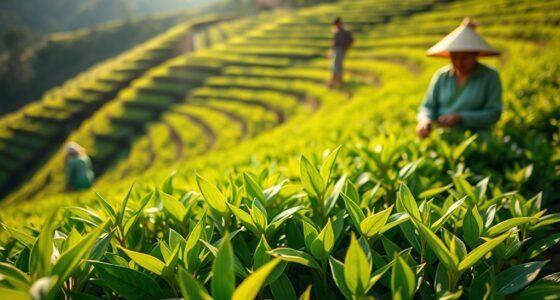
Have you ever truly appreciated the rich complexity behind Chinese tea? It’s more than just a beverage; it’s a reflection of centuries of tradition, history, and artistry. When you explore Chinese tea, you begin to understand the intricate process of tea cultivation that varies across regions, each producing unique flavors and qualities. From the misty mountains of Zhejiang to the lush hills of Yunnan, tea cultivation is a meticulous practice that involves careful selection of tea leaves, specific harvesting techniques, and precise processing methods. This dedication guarantees that each cup embodies the distinct characteristics of its origin. But beyond the cultivation itself, Chinese tea holds profound cultural significance. It’s woven into daily life, social interactions, and spiritual practices. Drinking tea isn’t merely about quenching thirst; it’s an act of mindfulness, respect, and connection. Many traditions, such as Gongfu tea ceremonies, emphasize the artistry and patience required to prepare and serve tea, transforming a simple act into a meaningful ritual. When you observe or participate in these ceremonies, you gain insight into the cultural values of harmony, reverence, and balance that underpin Chinese society. Chinese tea’s cultural importance extends beyond individual enjoyment. It has historically been a symbol of hospitality, a medium for diplomatic exchange, and a way to foster community. Hosting a tea ceremony or sharing a pot with friends signifies more than just sharing a drink—it symbolizes trust, respect, and unity. Exploring the history of Chinese tea reveals its role in shaping relationships and cultural identity over centuries. It’s also a proof of the country’s craftsmanship, with artisans dedicating years to mastering the art of tea making, from cultivating the leaves to perfecting the brewing techniques. Appreciating Chinese tea involves more than just tasting; it demands understanding the stories and traditions embedded in each sip. Whether you’re sampling a delicate green tea or a robust pu-erh, you’re engaging with a legacy that has been cultivated, refined, and celebrated for thousands of years. In a world increasingly driven by quick fixes and instant gratification, Chinese tea invites you to slow down, savor, and connect with a rich heritage and tradition. Recognizing the importance of regional differences and specific processing techniques deepens your appreciation for the complexity of Chinese teas. It’s an experience that rewards curiosity and respect, encouraging you to look beyond the surface and truly appreciate the depth of Chinese tea’s cultural significance and the artistry behind its cultivation.
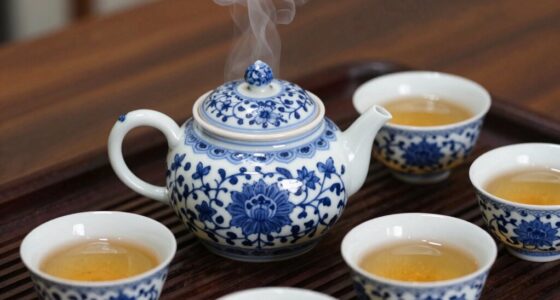
Chinese tea set with gaiwan and cups
As an affiliate, we earn on qualifying purchases.
As an affiliate, we earn on qualifying purchases.
Frequently Asked Questions
What Are the Health Benefits Unique to Chinese Teas?
Chinese teas offer unique health benefits you won’t find elsewhere. Herbal infusions like jasmine or chrysanthemum provide calming effects and antioxidants, while green and oolong teas boost metabolism and support heart health. You benefit from traditional tea farming methods that preserve quality and natural flavors. These methods help retain the tea’s beneficial compounds, making Chinese teas not only delicious but also a natural way to enhance your overall well-being.
How Do Chinese Teas Differ From Other Global Tea Varieties?
Imagine walking through lush Chinese tea gardens where tradition whispers in every leaf. Chinese teas differ from other global varieties through their unique cultivation methods, processing techniques, and rich history. These teas often feature complex flavors and aromas, shaped by centuries of craftsmanship. With a long-standing reputation, China’s tea export sustains these cultural rituals, offering a distinct experience that sets Chinese teas apart from the more commercialized options worldwide.
What Traditional Chinese Tea Ceremonies Hold Cultural Significance?
You’ll find that traditional Chinese tea ceremonies hold deep cultural significance through intricate tea etiquette and ceremonial symbolism. As you participate, you’ll observe respectful gestures, precise brewing, and pouring techniques that honor tradition. These rituals symbolize harmony, respect, and social bonding. By engaging in these ceremonies, you connect with Chinese history and values, appreciating how each step reflects centuries of cultural reverence, making tea more than just a beverage—it’s a meaningful cultural experience.
Which Chinese Teas Are Best for Beginners to Try?
As a beginner, you should start with green teas like Longjing or jasmine tea, which are mild and easy to brew. For black teas, try Keemun or Yunnan, offering rich flavors. Pay attention to tea brewing, using fresh water and proper temperature. Store your teas in airtight containers away from light and moisture to preserve flavor. These steps make exploring Chinese teas enjoyable and straightforward for beginners.
How Is the Quality of Chinese Tea Traditionally Assessed?
You judge Chinese tea’s quality by its aroma, appearance, and taste, which all stem from careful tea cultivation and expert processing techniques. Look for vibrant leaves, a fresh scent, and a smooth flavor—these show skillful handling. Quality tea is a cut above, like finding a needle in a haystack. Skilled artisans guarantee the tea’s integrity through traditional methods, making each sip a tribute to their craftsmanship.
Conclusion
You now see why Chinese tea deserves a closer look. Its rich history, diverse flavors, and cultural significance make it truly unique. Did you know that China produces over 2.4 million tons of tea annually? That’s a proof to its importance and variety. So next time you sip your tea, remember you’re part of a centuries-old tradition that continues to captivate millions worldwide. Take a moment to appreciate the craftsmanship behind each cup—you might find yourself enjoying it even more.
Fall Picks
fall essentials
As an affiliate, we earn on qualifying purchases.