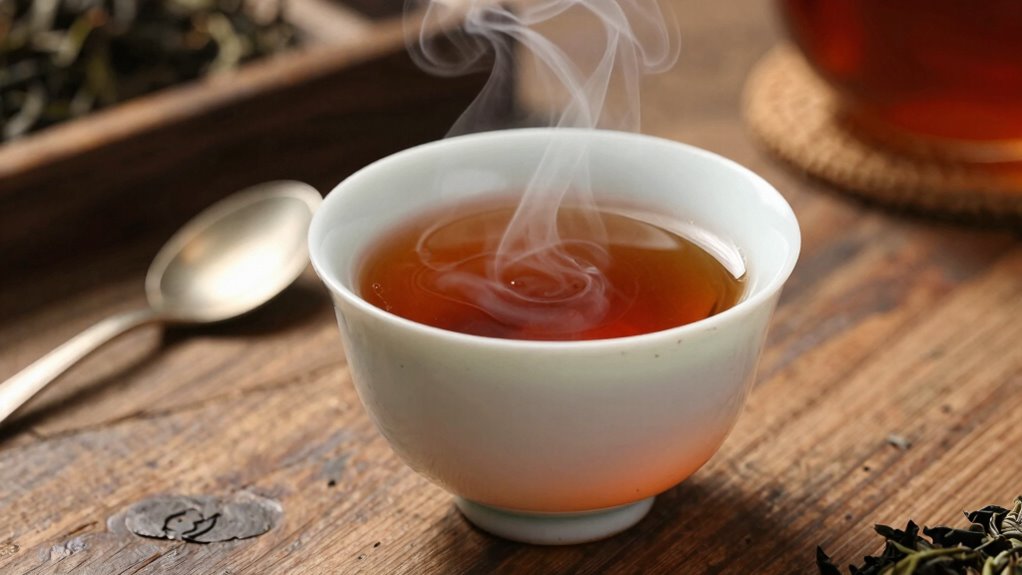

Many tea lovers overlook how essential brewing techniques are for black tea’s full potential. Simple adjustments, like controlling water temperature and steeping time, can reveal richer aromas and more complex flavors. Watching leaves unfurl in a clear vessel or paying attention to aroma cues enhances your experience. When you fine-tune these details, your cup transforms into a refined sensory delight. Keep exploring, and you’ll discover how small changes make a big difference.
Play games included with Prime
Start a Prime free trial and play with Amazon Luna on your devices.
As an affiliate, we earn on qualifying purchases.
Key Takeaways
- Many overlook the importance of precise water temperature to fully release aromatic compounds.
- Rushing through steeping times can prevent complex flavor development.
- Using non-transparent vessels misses visual cues indicating freshness and quality.
- Neglecting mindful brewing techniques diminishes the nuanced sensory experience.
- Failing to observe brewing details results in a less aromatic, less refined cup.
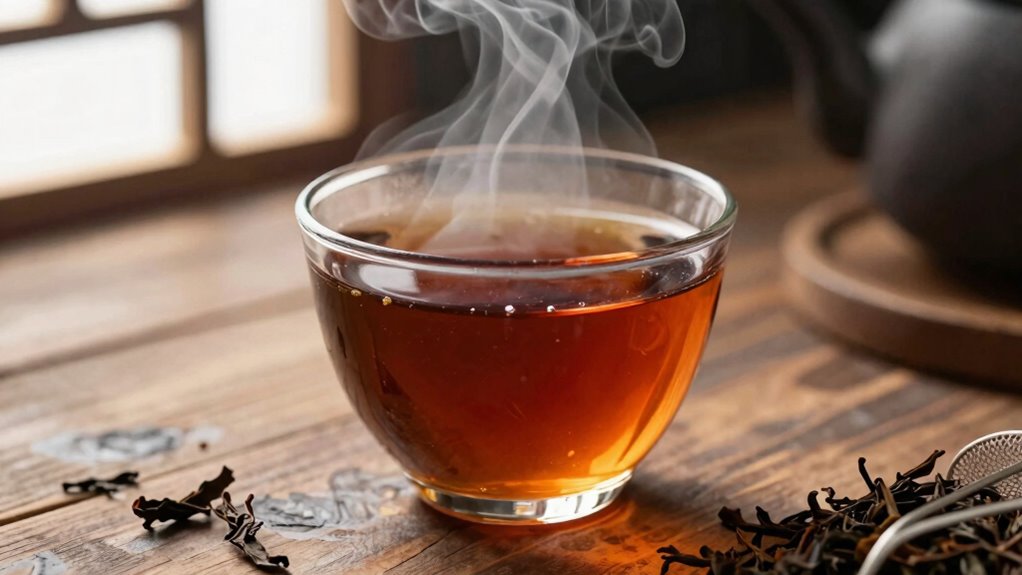
Many tea enthusiasts overlook how brewing techniques influence the overall experience of black tea. Beyond choosing quality leaves, paying attention to water temperature, steep time, and even the vessel you use can make a substantial difference. For instance, using a glass teapot or cup lets you enjoy the visual appeal of the tea leaves unfurling and observe the color development, adding an extra layer of sensory pleasure. Proper brewing techniques release these delicate aromatic compounds, allowing you to savor the full spectrum of scents. Ultimately, you’ll find that elevating your brewing process enhances not only the aroma but also the depth and richness of the flavor. When you approach black tea with mindful brewing techniques, you reveal a world of aromatic complexity often missed in rushed or careless preparations. It’s these subtle details that transform a simple cup into a refined sensory experience. Paying attention to the aromatic profile during brewing can also provide clues to the tea’s freshness and quality, enriching your entire tasting journey. Recognizing the importance of water temperature can significantly impact the delicate balance of flavors and aromas released during steeping. Additionally, understanding the role of steeping time can help you achieve a more nuanced and satisfying cup of tea. Being mindful of brewing techniques can also help prevent common mistakes like over-steeping or using water that’s too hot, which can diminish the tea’s nuanced characteristics. A focused approach to tea preparation can truly elevate your appreciation for this timeless beverage.
As an affiliate, we earn on qualifying purchases.
Frequently Asked Questions
How Does Black Tea Affect Dental Health Long-Term?
Black tea can impact your dental health long-term by causing tooth staining and enamel erosion. The tannins in black tea stain your teeth over time, making your smile less bright. Additionally, the natural acids in tea can wear down your enamel, increasing sensitivity and risk of cavities. To protect your teeth, consider drinking black tea in moderation, using a straw, and maintaining good oral hygiene.
Can Black Tea Influence Blood Sugar Levels?
Black tea can influence your blood sugar levels by aiding blood sugar regulation, thanks to its antioxidants called polyphenols. These compounds may help improve insulin sensitivity and reduce blood sugar spikes after meals. The metabolic effects of black tea suggest it could be a beneficial addition to a balanced diet, especially if you’re looking to maintain steady energy levels. Just remember, moderation is key to maximizing its positive impact.
What Are the Environmental Impacts of Black Tea Production?
They say, “Every drop counts,” and black tea production’s environmental impact is no exception. By supporting sustainable farming practices, you help reduce deforestation and soil erosion. Water conservation is vital, as tea plantations often use vast amounts of water, straining local resources. Your choices influence eco-friendly cultivation, ensuring that future tea lovers can enjoy their favorite brew without depleting the planet’s precious resources.
Does Black Tea Contain Any Significant Allergens?
Black tea can contain allergens that trigger tea allergies in some people. Common allergen triggers include proteins in the tea leaves or contaminants from processing. If you have a known allergy to certain plants or pollen, you might experience reactions. Be cautious and check labels, especially if you’re sensitive to specific allergens. Always consult with a healthcare professional if you suspect tea allergies or experience any adverse reactions.
How Does Black Tea’s Caffeine Content Compare to Coffee?
Black tea generally has less caffeine than coffee, which means your caffeine absorption is slower, resulting in a gentler boost. You might notice that black tea helps improve your mental alertness without the jitters often associated with coffee. If you’re looking for sustained energy, black tea’s moderate caffeine content offers a balanced way to stay focused. You get the benefits of caffeine absorption without overwhelming your system.
Conclusion
Remember, black tea isn’t just a morning pick-me-up; it’s a journey through centuries of tradition, like a quiet library filled with stories waiting to be uncovered. By savoring its rich flavors and embracing its subtle complexities, you reconnect with an age-old ritual that awakens your senses and soothes your soul. Don’t overlook these small wonders—black tea holds a timeless charm, inviting you to pause, reflect, and enjoy life’s simple pleasures just as an old friend would.
Fall yard work Picks
leaf blowers
As an affiliate, we earn on qualifying purchases.