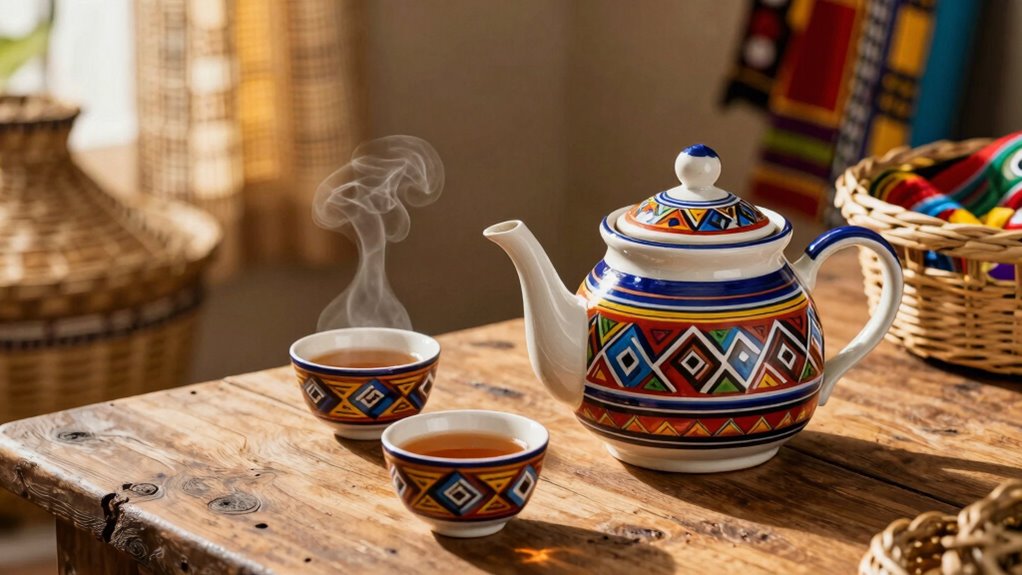

African tea influences modern tea culture through its bold flavors, unique rituals, and focus on community. You’ll notice how traditional practices like pouring from a height and sharing tea foster social bonds and symbolize hospitality. African-inspired blends with native spices become popular worldwide, emphasizing connection and cultural pride. If you want to discover how these elements shape today’s tea experiences and rituals, keep exploring the rich legacy behind African tea.

Get coffee and tea gear delivered free with Prime
- Fast, free delivery on millions of items
- Prime Video, Amazon Music and more included
- Member-only deals all year
Key Takeaways
- African tea’s bold flavors and unique cultivation practices inspire innovative blends and tasting profiles worldwide.
- Traditional African tea rituals and social customs influence modern tea ceremonies and service styles globally.
- The emphasis on community and hospitality in African tea culture promotes a more social, inclusive approach to modern tea drinking.
- African-inspired tea blends with native spices and herbs are gaining popularity in global markets.
- Sustainable cultivation and cultural preservation efforts set new standards for environmentally conscious tea practices worldwide.
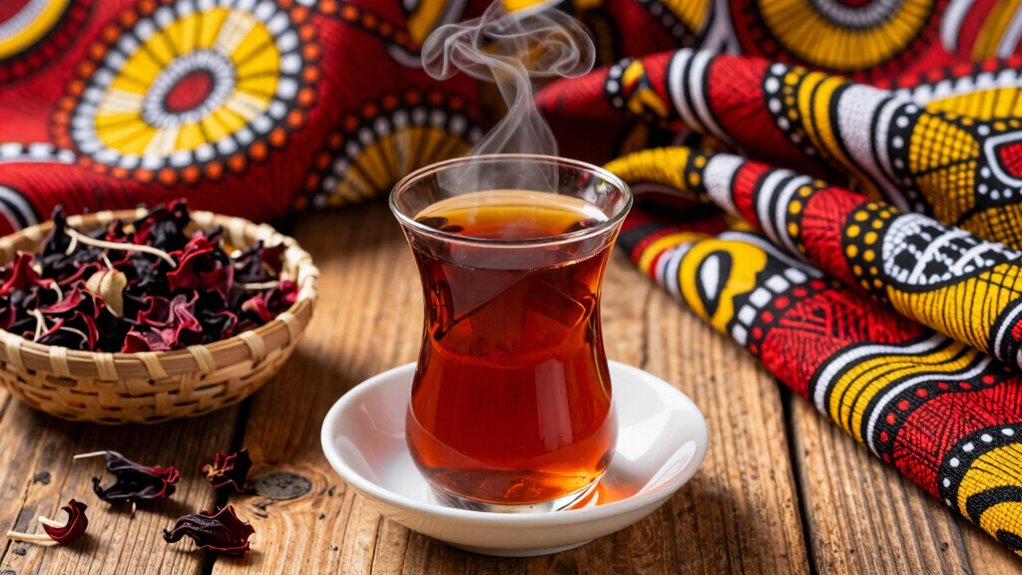
African tea traditions have profoundly shaped modern tea culture, introducing unique flavors, brewing techniques, and social rituals that continue to influence global practices. When you explore African tea, you’re delving into a rich history rooted in both the land and community. The process of tea cultivation in Africa, especially in countries like Kenya, Malawi, and Tanzania, has developed into a essential industry, with climate and terrain fostering high-quality leaves that boast distinct flavors. These regions have become some of the world’s leading tea producers, and their cultivation methods often emphasize sustainable practices that preserve the land’s natural qualities. As you sip African teas, you notice the bold, robust profiles that reflect the area’s rich soil and climate, offering a different experience from teas grown elsewhere.
African tea traditions shape global culture with bold flavors, sustainable cultivation, and rich social rituals.
The cultural significance of tea in Africa extends beyond simply a beverage; it embodies community, hospitality, and tradition. In many African societies, sharing tea is a social act that brings people together, fostering conversations and strengthening bonds. You might find yourself participating in a traditional tea ceremony, where the process of brewing and serving tea is an art form that conveys respect and generosity. These rituals often involve specific gestures—pouring tea from a height or serving in small cups—that highlight the importance of etiquette and social harmony. Tea in Africa is not just about taste but also about creating a space for connection, making it a symbol of unity that resonates across generations. Additionally, the sustainable cultivation methods employed in African tea farming help preserve the environment and ensure the longevity of this cultural tradition. Moreover, the unique flavor profiles of African teas are a direct reflection of the land’s natural environment, further enriching the global appreciation for these beverages. The vibrant cultural practices surrounding tea also serve to promote cultural identity and pride within African communities. Furthermore, the emphasis on traditional social rituals highlights the importance of tea as a means of preserving cultural heritage.
Modern tea culture worldwide has adopted many elements from African practices, especially the emphasis on community-centered tea drinking and the appreciation of bold flavors. You can see this influence in how tea is served in cafes or homes, where the focus isn’t solely on the drink itself but on the shared experience. Additionally, African-inspired blends, incorporating spices or herbs native to the continent, have gained popularity, adding depth and cultural richness to contemporary tea menus. The significance of tea as a social lubricant is something you now see reflected globally, echoing the African tradition of turning tea into a ritual that celebrates life and connection.
In essence, the legacy of African tea — from its cultivation techniques to its cultural role — continues to shape your modern tea experience. It reminds you that tea is more than just a beverage; it’s a vessel of tradition, community, and cultural pride passed down through generations and shared worldwide.
African tea blends with native spices
As an affiliate, we earn on qualifying purchases.
As an affiliate, we earn on qualifying purchases.
Frequently Asked Questions
Which African Countries Are the Top Tea Producers?
You’ll find Kenya and Ethiopia as the top African tea producers, renowned for their unique African tea varieties. These countries excel in tea cultivation techniques that boost quality and flavor, influencing global markets. Kenya’s expansive plantations and Ethiopia’s traditional methods contribute to their prominence. Exploring their tea culture reveals how their innovative cultivation techniques and distinct flavors shape modern tea preferences worldwide, making African tea a significant part of global tea culture.
How Does African Tea Cultivation Impact Local Economies?
Think of African tea cultivation as a thriving river feeding local economies. When you support tea export, you’re fueling economic development, creating jobs, and boosting communities. Small farmers and workers benefit directly, lifting families out of poverty. This ripple effect energizes entire regions, turning a simple crop into a powerful engine of growth. Your appreciation for African tea helps sustain these essential economic contributions and fosters long-term prosperity.
What Traditional African Tea Ceremonies Exist Today?
You’ll find that traditional African tea ceremonies, like Ethiopia’s Gursha, hold deep cultural significance and reflect the tea’s origins. These ceremonies often involve communal sharing, symbolizing hospitality and unity. You might participate in rituals where tea is brewed with reverence, emphasizing respect and tradition. These practices preserve cultural identity, connecting modern communities to their history while celebrating the social and spiritual importance of tea across Africa.
How Is African Tea Integrated Into Global Markets?
Like a trader in the bustling markets of Marrakech, you see African tea making waves globally through strategic exports and cultural adaptation. You’ll find African teas in international markets, often tailored to local tastes, blending tradition with innovation. By emphasizing quality and storytelling, producers craft compelling narratives that resonate worldwide. These tea export strategies and cultural adaptations help African teas carve out a significant space in the global tea industry, inviting the world to savor their unique flavors.
Are There Unique Health Benefits Associated With African Teas?
You’ll find that African teas, especially herbal infusions, offer unique health benefits. They’re often used in health rituals, promoting relaxation, digestion, and immune support. For example, rooibos is rich in antioxidants, aiding skin health, while hibiscus can help lower blood pressure. These teas are deeply embedded in cultural practices, emphasizing holistic well-being. Incorporating African herbal infusions into your routine can enhance your health naturally and enjoyably.
Conclusion
As you sip your tea, remember how African traditions have shaped modern tea culture—bringing bold flavors and vibrant ceremonies to your cup. Did you know that Africa produces over 20% of the world’s tea, fueling global markets and inspiring new brewing styles? Your daily tea experience is a reflection of centuries-old African influences, blending rich history with contemporary tastes. So next time you enjoy your brew, you’re tasting a powerful legacy that spans continents.
Halloween Picks
halloween
As an affiliate, we earn on qualifying purchases.