TL;DR

Get coffee and tea gear delivered free — and shop member deals
- Fast, free delivery on millions of items
- Access to Prime Big Deal Days deals on October 6–7
- Prime Video, Amazon Music and more included
Electric tea kettles with temperature control let you heat water to a selected temperature or preset, which helps you brew different teas and coffees without relying on boiling water for everything. Look for useful settings, clear materials information, comfortable pouring, automatic shutoff, and a keep-warm period that fits your routine.
A kettle that clicks off at a rolling boil can leave delicate green tea tasting sharp and bitter. Electric tea kettles with temperature control let you stop the heat earlier, so your cup can taste closer to what the tea maker intended.
This guide explains which temperatures work as starting points, which features earn their place on the counter, and what to check for safety and easy care. If you only make one kind of drink, you may need fewer settings than you think.
Use tea temperature ranges as starting points: green tea often suits 70–85°C, while black tea and herbal infusions often use 95–100°C.
Check whether a kettle offers exact targets, presets, and Celsius or Fahrenheit display before you buy.
Compare keep-warm duration separately from temperature settings; holding water warm uses additional electricity.
Read the manual for safety features, materials that contact water, and model-specific descaling instructions.
Choose a basic kettle if you mostly boil water; adjustable control pays off when you regularly prepare several kinds of drinks.
Why the right water temperature can change your cup
Electric tea kettles with temperature control heat water to a selected target or preset, giving you more choice than a kettle that only boils. That matters because different drinks benefit from different water temperatures: a gentler setting can suit green tea, while black tea often calls for water close to boiling. Think of temperature as a volume knob for extraction; a small turn can change the balance of flavor.
As practical starting points, try 70–85°C (158–185°F) for green tea, 75–90°C (167–194°F) for white tea, 85–95°C (185–203°F) for oolong, and 95–100°C (203–212°F) for black tea or herbal infusions. These ranges overlap because leaf size, recipe, and personal taste all play a part. If your tea supplier gives a temperature, start there; if the cup tastes flat, adjust a little at a time.
For example, if your green tea tastes harsh after you pour freshly boiled water over it, try a setting near 80°C and taste again. The kettle gives you a repeatable starting point, while your own palate makes the final call. Coffee also uses water below boiling in many brewing methods, but the right setting depends on the recipe and equipment.
Choose settings that match the drinks you make
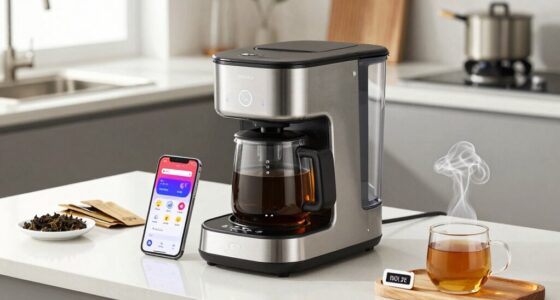
Electric tea kettles with temperature control are most useful when their settings match your regular drinks and give you an easy way to select them. Some offer named presets, such as green tea or coffee; others let you choose a target temperature in set increments. A few well-chosen buttons can be simpler than scrolling through a long menu every morning.
If you want a specific temperature such as 80°C, check that the model supports that target; a preset labeled “green tea” may use a different temperature. Also check whether the display shows Celsius, Fahrenheit, or both, and whether it shows the target while heating or the current temperature. A number on the screen is useful, but it does not prove the kettle measures temperature with a particular accuracy.
Imagine you drink green tea before work and make French press coffee on weekends. A kettle with a green tea preset and adjustable targets may cover both routines. If you only pour boiling water for black tea, instant soup, or herbal infusions, a basic boil kettle may be enough.
Compare the features that matter at home
The best kettle balances useful controls with capacity, materials, safety, and easy pouring. Compare how you will use it each day: one person making a single mug has different needs from a household filling several teapots. A one-touch control feels handy at 7 a.m.; a clear water window matters when you are filling it in a dim kitchen.
| Feature | What to check | Why it helps |
|---|---|---|
| Temperature controls | Presets, adjustable increments, and display units | Match the settings to your tea and coffee routine |
| Keep-warm | Hold duration and whether you must activate it | Useful if you make a second cup later |
| Capacity and speed | Maximum fill and heating time for your usual volume | A full kettle takes longer than one mug |
| Materials | Which parts contact water; glass or stainless steel interior | Helps you weigh visibility, cleaning, and design preferences |
| Safety and handling | Automatic shutoff, boil-dry protection, lid, handle, and spout | Supports safer use and steadier pouring |
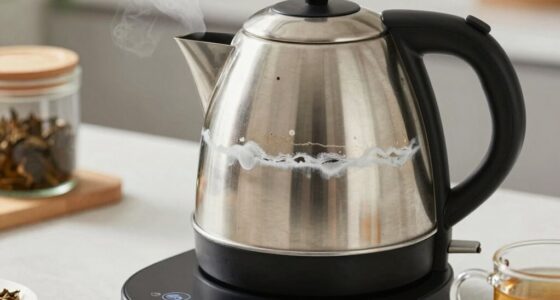
Materials deserve a close read. Glass lets you watch the water bubble, while stainless steel hides mineral marks and may feel sturdier; either can be a good choice. “Plastic-free” can mean different things across products, so check which parts touch the water instead of relying on a short label.
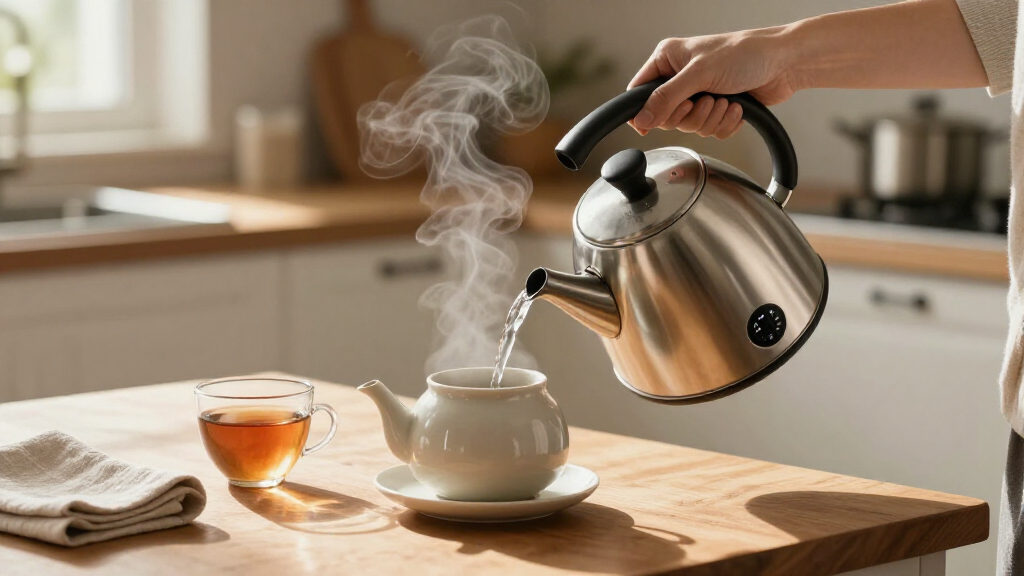
Safety features vary by model. Check the manual for automatic shutoff and boil-dry protection, set the kettle on a stable, dry surface, and keep its base and cord away from water. For instance, a wide lid may make filling and cleaning easier, but a comfortable handle and a controlled spout matter when you pour a full kettle.
Use keep-warm mode without wasting power
A keep-warm function holds heated water near a chosen temperature for a limited time, but its duration and behavior depend on the kettle. Some models cycle on and off to maintain heat; others need you to start the function or let you restart it later. Temperature control sets the target, while keep-warm determines how long the kettle tries to hold it.
Read the stated hold time before buying, especially if you want a second cup an hour after breakfast. If you usually pour right away, you may never need the feature. Heating a small amount for one mug also takes less energy than filling the kettle to its maximum, while holding water warm uses extra electricity.
For a quiet Sunday, you might heat enough water for two cups and use a short keep-warm setting while you read. On a busy morning, reheating fresh water later may fit better. Follow the product instructions and avoid leaving water standing in the kettle for extended periods; fresh water can also taste better in the cup.
Follow a simple routine for better-tasting water
Use this routine to get repeatable results from electric tea kettles with temperature control. It takes only a few steps, and it helps you separate a temperature problem from a tea or recipe preference. When a cup tastes off, change one thing at a time.
- Fill with the amount you need. Check the minimum and maximum fill marks, and use fresh water.
- Select a starting temperature. Choose a preset or target based on the tea maker’s guidance or the ranges above.
- Let the kettle finish. Wait for its signal or display, and follow the manual for pouring.
- Taste and adjust. If the cup tastes harsh or weak, move the setting slightly next time and keep the rest of the recipe steady.
- Clean on schedule. Check for scale and follow the manufacturer’s descaling instructions for your kettle’s materials.
Suppose your first cup of oolong tastes thin at 85°C. Try a slightly higher setting next time, perhaps within the suggested range, and keep the steep time unchanged. That small experiment gives you a clearer answer than changing both temperature and steep time together.
Keep scale and everyday wear under control
Regular descaling helps clear the chalky deposits that hard water can leave inside a kettle. How often you need it depends on your water and how often you boil; a household with very hard tap water may spot buildup sooner than a home with softer water. Follow the manufacturer’s cleaning directions, including advice for the filter, lid, and temperature sensor.
After a month of daily use, look inside for white flecks or a rough ring near the water line. Clean the kettle as its manual directs, and wipe the outside with a suitable damp cloth after it cools. Do not immerse the base or electrical parts in water.
Heating time also varies with water volume, starting temperature, and kettle power, so treat “rapid boil” claims as dependent on the amount you heat. A full kettle naturally takes longer than one mug. If sound or a hot exterior matters in your home, check the specific product information or independent reviews; designs differ.
Decide whether paying more makes sense
A temperature-control kettle is worth the extra cost when you regularly make drinks that call for different water temperatures or want water held warm. If your routine always starts with boiling water, paying for many presets may not improve your day. The right choice depends on what you actually brew.
Picture a kitchen shared by a green tea drinker and someone who makes pour-over coffee. Adjustable settings can make each person’s morning easier without a thermometer and guesswork. For a single tea drinker who uses one familiar brew, a simple kettle with a suitable preset—or a standard kettle—may offer better value.
App connections and touch controls appear on some newer models, but they are extras rather than requirements. Consider them only if they simplify your routine; app features can add setup steps and may depend on continued software support. Clear buttons, a readable display, and a handle that pours comfortably will matter every day.
Frequently Asked Questions
What temperature should I use for green, white, oolong, or black tea?
Try 70–85°C for green tea, 75–90°C for white, 85–95°C for oolong, and 95–100°C for black tea as starting ranges. Follow your tea supplier’s guidance when available, then adjust to taste.
Can I set an electric kettle to 80°C?
Some models let you choose an exact target such as 80°C; others offer only preset temperatures. Check the available increments and display units in the product specifications.
Does a temperature-control kettle boil water?
Many can heat water to boiling or a near-boiling target, but maximum settings vary. Check the manufacturer’s specifications for the model you are considering.
How accurate is the temperature shown on the display?
Accuracy varies by kettle, and a displayed target does not establish the actual water temperature. Look for manufacturer documentation or independent testing if precision matters for your brewing method.
How long does keep-warm mode last?
That depends on the model: the hold time and whether you can restart the function differ. Check the manual or product details, and remember that maintaining heat uses additional electricity.
Conclusion
Choose a kettle around the drinks you make most: pick settings you will use, a capacity that fits your household, and a pour that feels steady in your hand. Start with the tea maker’s temperature guidance, then adjust to taste.
One small change can turn a bitter morning cup into a smooth one—and make the kettle feel like a tool you chose with care.
Fall Picks
fall essentials
As an affiliate, we earn on qualifying purchases.